
PPF ROI Calculator: Florida Repair Costs vs. Film Cost by Vehicle Type

Florida daily drivers take a beating. Between love bug splatter on the highway, sudden afternoon showers, sun-baked bird droppings, and tight parking lots, paint does not stay perfect for long. All those “little” chips and scuffs are not just normal wear; they add up to real repair bills and lower resale value.
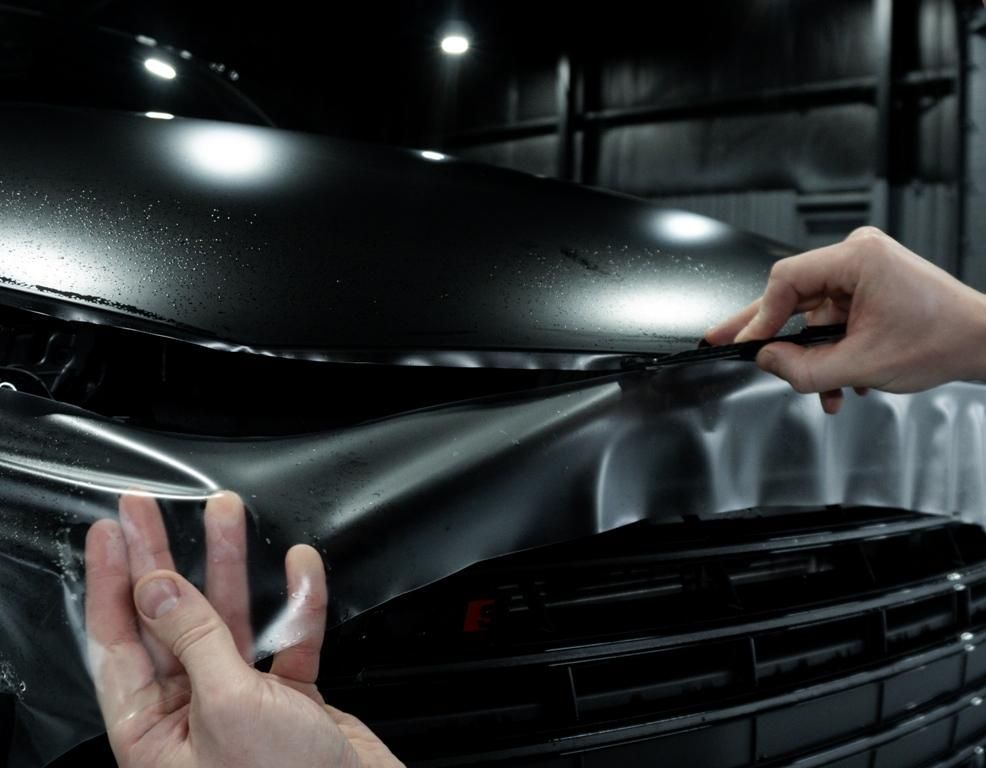
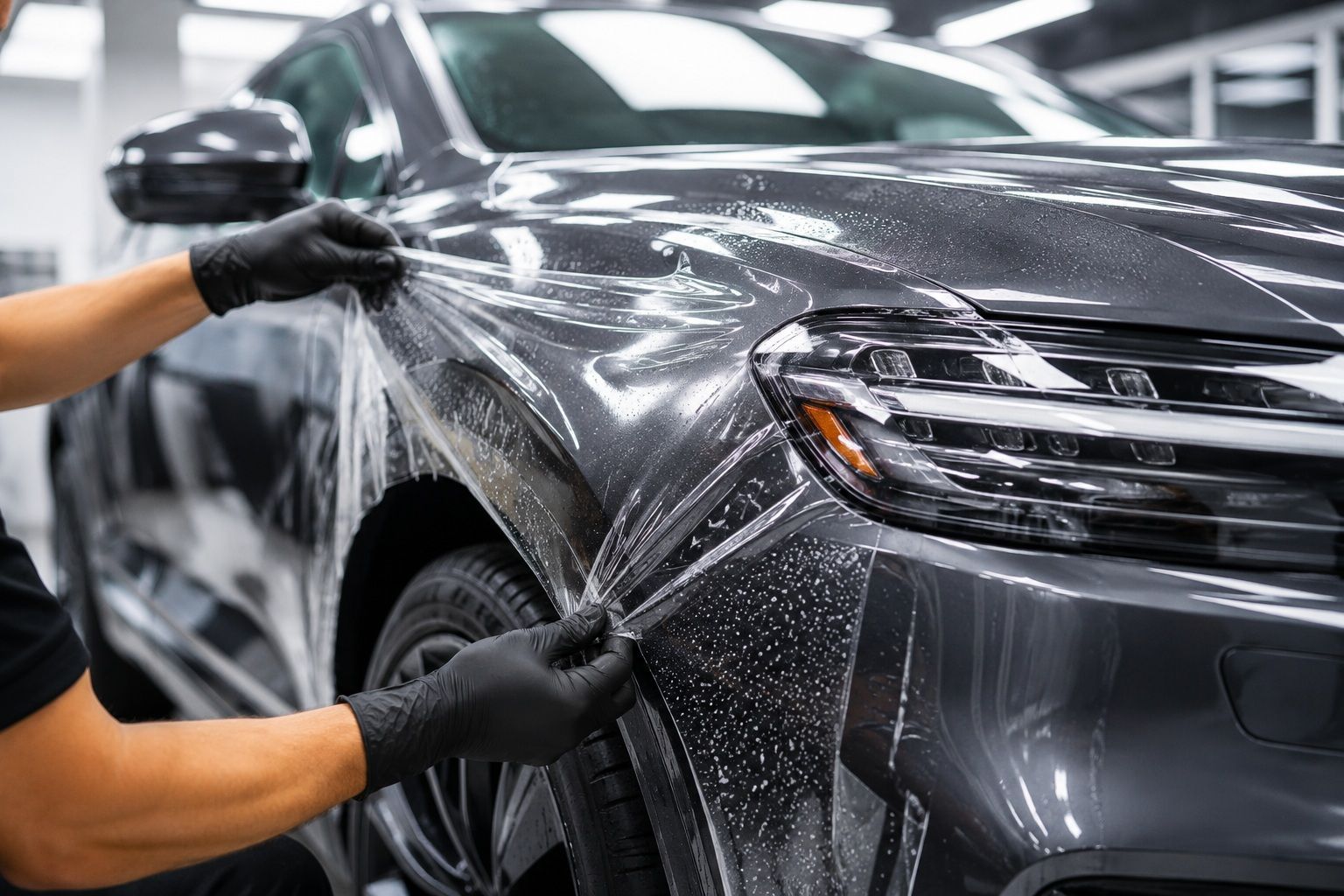
In this article, we walk through everyday return on investment, or ROI, for paint protection film, often called PPF, in plain language. We compare real Florida paint damage and typical repair costs to the cost of quality film on different types of vehicles. As a local tint and auto appearance shop that installs Llumar paint protection film, we see both sides every week: cars that were protected from day one, and cars that needed help after the damage was already done.
Florida Road Rash Is Real, Not Just Wear and Tear
If you drive around Largo, Clearwater, or Tampa on a regular basis, you know the hazards:
- Love bugs stuck across your bumper and mirrors
- Grit and sand kicked up on I-275 and US-19
- Bird droppings baking on the hood at work
- Random scuffs from crowded parking lots
Heat and UV in Florida make all of this worse. Bug splatter and bird droppings can etch into clear coat in a short time. Small rock chips open the door for rust on older vehicles. A “little” scrape on a bumper can turn into a respray if the mark catches your eye every time you walk up to the car.
This is where the question comes up: is paint protection film worth it? To answer that, we need to look at what paint damage really costs each year.
What Florida Paint Damage Really Costs Per Year
Most drivers do not add up these repairs; they just handle them as they come. But they stack up fast. Common Florida paint problems include:
- Rock chips across front bumpers and hoods
- Bug etching and bird droppings that leave stains
- Faded or cloudy headlights from sun and sand
- Scuffs and rash on rear bumpers from parking and loading
Even small paint repairs can lead to body shop visits, blending panels, and time without your vehicle. Touching up a few chips may not be a big deal once, but repeating it year after year costs money and time. Polishing out light scuffs and bug marks may sound simple, yet deeper damage often needs sanding and repainting.
Over a few years, many drivers pay for:
- Chip touch-ups more than once
- A bumper repaint after a deeper scrape or rash
- Headlight refinishing as they haze over
- Spot repairs on hoods or roof panels from etching
When you total a handful of these repairs, the number often lands in the same range as protecting high-impact areas with PPF right from the start. There is also the quiet cost at trade-in. Panels that have been repainted, obvious clear coat failure, and bug stains on the front end can lower what you are offered and how long a private sale takes.
Vehicle Type Breakdown, Where PPF Pays Off Fastest
Different vehicles see damage in different spots. That means the smart PPF coverage changes by vehicle type.
Compact and midsize sedans
Daily highway drives on Gulf-to-Bay, Ulmerton, or across the bridge leave sedan front ends peppered with chips. For these cars, the front bumper, partial hood, fenders, and mirrors are usually the main pain points. Full-body coverage is nice, but many sedan owners see solid value just protecting the front end. Over three to five years, repeated chip repairs and the occasional bumper repaint can match or pass a quality front PPF package.
SUVs and crossovers
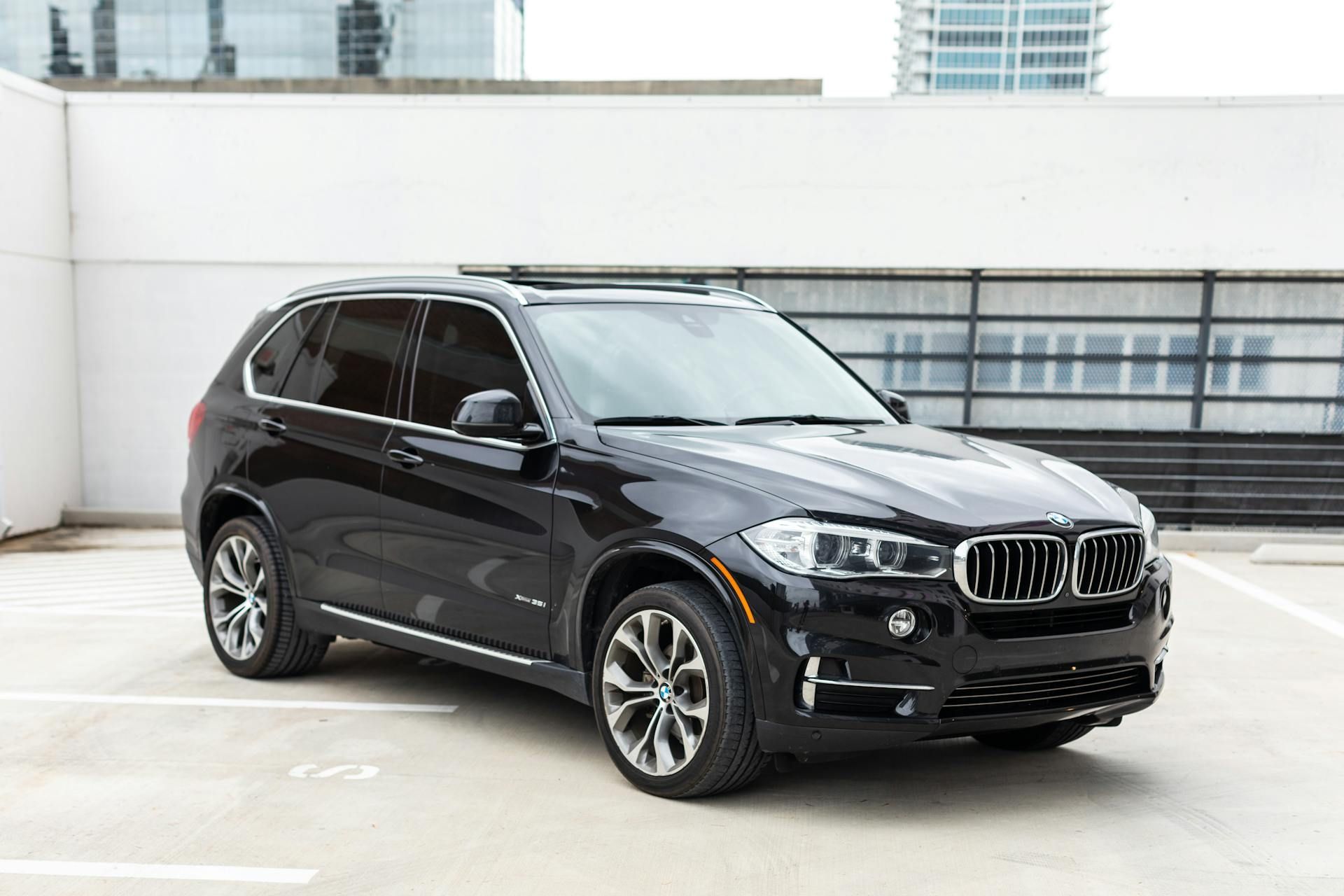
Family and active-life SUVs see damage in more places:
- Rear bumper tops from strollers, coolers, and luggage
- Door edges and handles from kids and tight parking
- Tailgates from loading gear for the beach or road trips
Because SUVs tend to hold value well and many families keep them longer, protecting these high-traffic zones often pays off. Tailgate and rear bumper PPF protects the area you scratch every weekend. Matching that to a front package sets you up for better paint over a five- to seven-year window.
Trucks and work vehicles
Trucks usually live in the danger zone. They have:
- Large, upright front ends that take every rock hit
- Hoods and fenders exposed on job sites and while towing
- Bedsides and rear bumpers nicked by tools, trailers, and loads
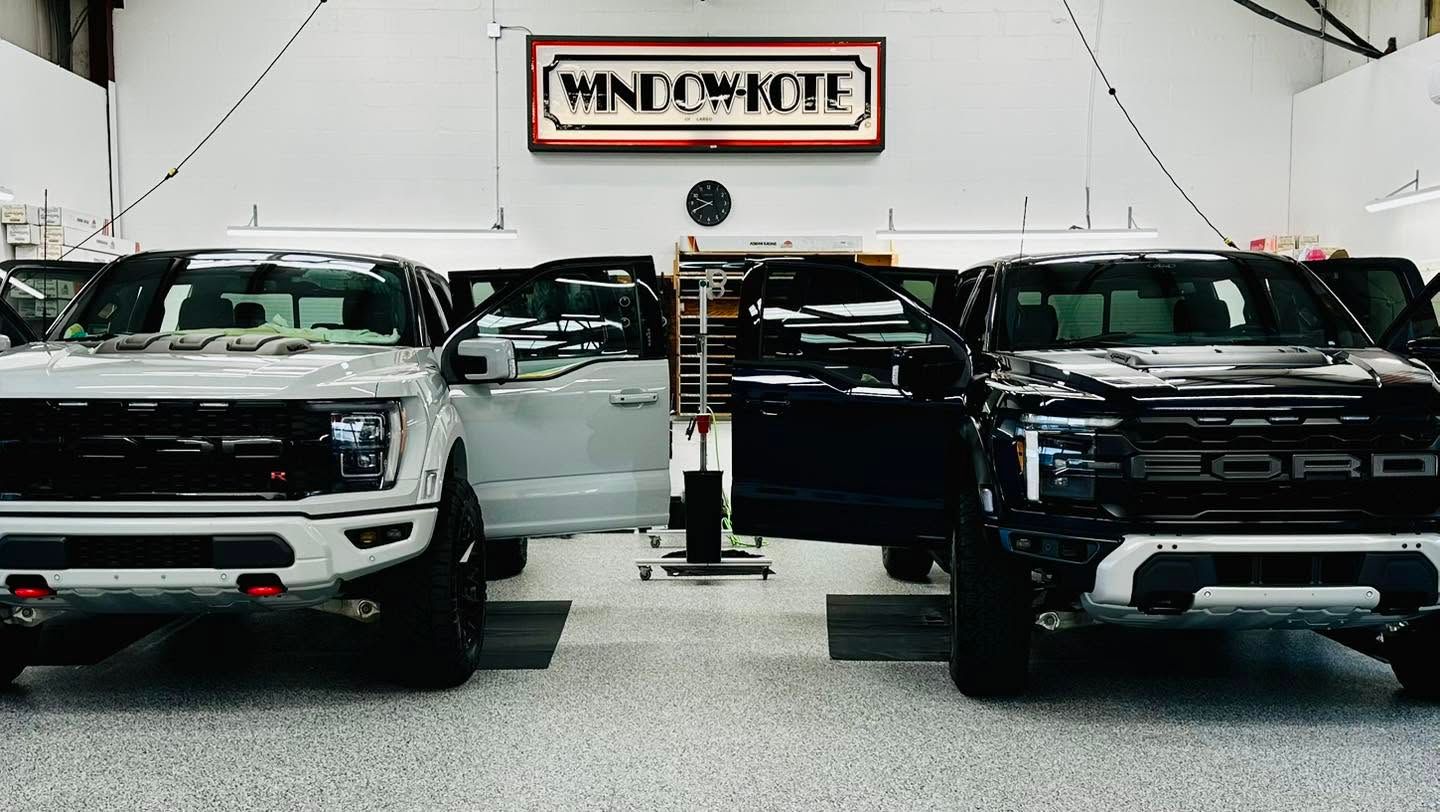
Respraying a big truck hood, bumper, and fenders is rarely cheap. For many truck owners, a higher-coverage PPF package across the front end, headlights, and maybe rockers makes sense. For work trucks that carry a logo, keeping the paint sharp is also about brand image and protecting a rolling asset.
Sports cars and luxury vehicles
On a higher-end vehicle, even a single chip in a special color stands out. Blending paint on sculpted bumpers, carbon fiber parts, or custom colors is more complex and time-consuming. Owners of these cars often have higher expectations for how the finish should look at shows or at sale time. For sports cars, the answer to “is paint protection film worth it?” is often tied to long-term paint perfection and keeping that eye-catching look.
Everyday ROI Math, PPF Cost vs. Real Repairs
You do not need a fancy spreadsheet to think about ROI. Just use simple time windows and honest habits.
First, think about how long you plan to keep your vehicle. For many Florida drivers, that is at least three to five years. Then, look at your past or likely repairs in that window:
- Rock chip repair on the bumper or hood every year or two
- One bumper respray after a scrape or road rash
- Periodic polishing to hide bug or bird etching
- Headlight restoration once they start to haze
Now compare that pattern to a one-time PPF investment on the areas that get hit the most. For a sedan, that might be the front end. For an SUV, maybe front plus rear bumper and cargo area. For a truck, the full front and key impact zones. For a sports car, extended coverage across the front clip and more.
Do not forget the non-cash benefits:
- Fewer trips to the body shop or detailer
- Less time driving a rental or bumming rides
- Better looking paint for photos when it is time to sell
- More confidence when parking at busy malls or events
When you look at both money and convenience over several Florida summers and bug seasons, many drivers decide that film is not a luxury; it is a smart way to steady their car care budget.
Seasonal Reality Check for Florida Fall Drivers
Early fall around Largo is when a lot of drivers start to notice the marks left behind from the earlier months. Love bug splatter that was not washed off right away, bird droppings that sat in the sun at work, and the film of road grime from stormy commutes can leave the front end and roof looking tired.
At the same time, the calendar starts to fill up. There is more highway travel for holidays, more shopping trips, and more crowded parking lots. That means more miles, more parking stress, and more chances for small chips and scuffs.
Fall can be a smart time to reset the paint, then protect it. You fix the existing damage, restore the shine, then cover those high-risk areas with PPF before another round of love bug season and heavy sun exposure. With cooler mornings and a slightly calmer schedule for many people, it is often easier to plan an installation and be without the car for a short window.
If you are already thinking about a detail or small repair before upcoming trips, folding PPF into that plan can turn another one-time fix into a longer-term protection move. Instead of just erasing past damage, you are setting up the paint to stay cleaner and safer going forward.
Window Kote of Largo is a family-owned tint and auto appearance shop in Largo, Florida, and we work with Llumar paint protection film every week. We see what constant Florida driving does to unprotected paint, and we see how much easier life is for drivers who protected the right panels early on. When you look at your own repair history and how long you plan to keep your vehicle, you can answer “is paint protection film worth it?” in a way that fits your budget, your car, and your everyday Florida driving reality.
Protect Your Vehicle’s Finish With Expert PPF Installation
If you are still asking yourself
Is paint protection film worth it?, we can walk you through the real-world benefits for your vehicle and driving habits. At
Window Kote of Largo, we take the time to explain your options so you can feel confident in your choice before any work begins. Reach out today through our
contact page to schedule a consultation or request a quote.