Window Tinting Largo FL: Night Visibility vs. Heat Rejection Without Dark Tint

Drive Safer After Dark Without Sacrificing Comfort
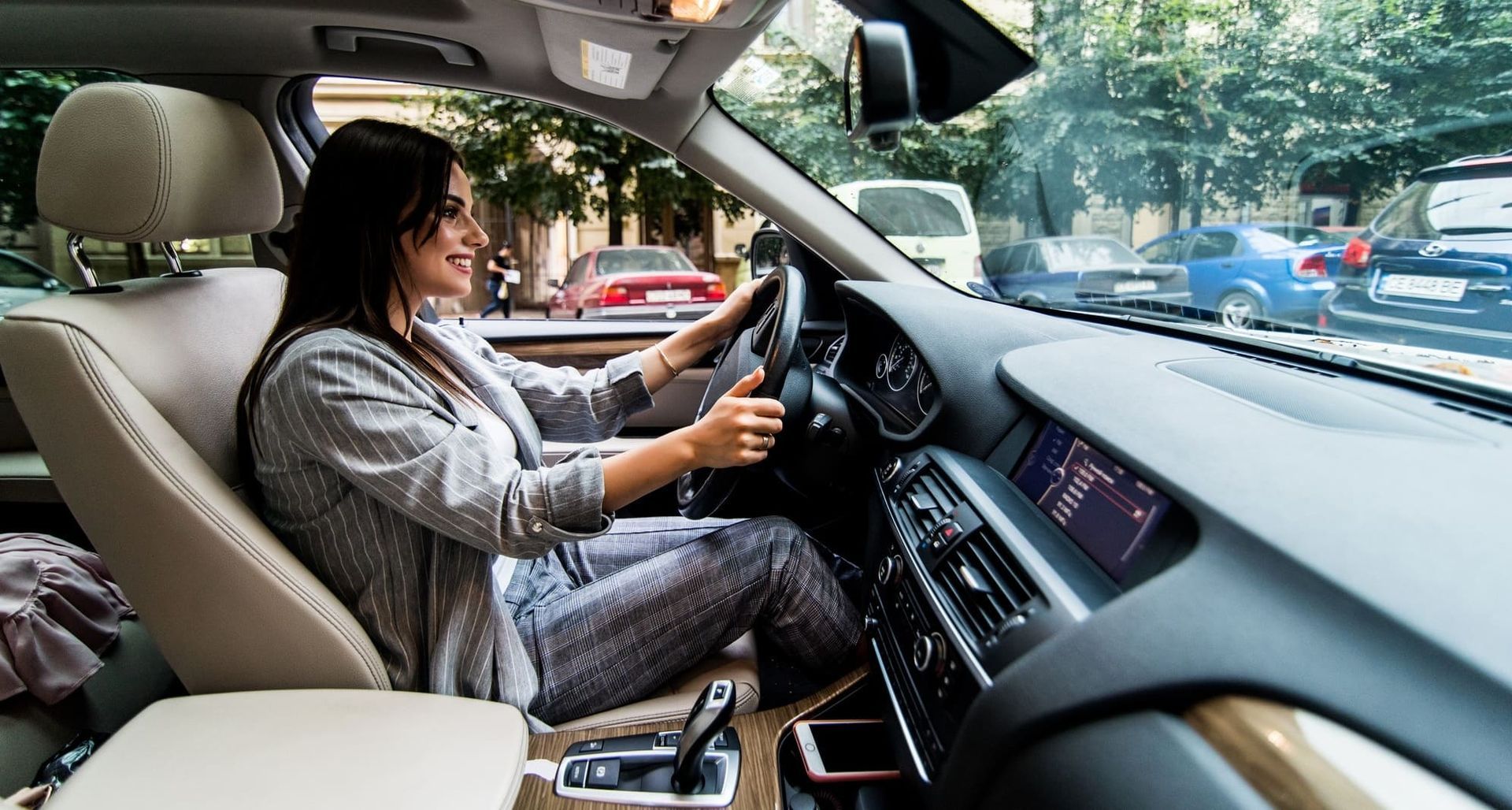
Night driving around Largo changes fast once fall hits. The sun drops earlier, but the heat and humidity stick around, so you end up driving home in the dark from U.S. 19 or East Bay Drive while your car still feels like it baked all afternoon. You want your cabin cooler and your skin protected, but you also do not want your tint so dark that every side street in Largo feels risky.
That is the real struggle for a lot of drivers in our area. You want less heat and less blinding headlight glare, but you are worried that darker film will make it hard to see at night, in rain, or when turning into a dim driveway. The good news is, modern window films let you get both comfort and safer visibility when you choose them the right way.
Our goal here is to break this down in plain language. We will talk about why headlight glare feels so harsh in Largo traffic, why darker is not always cooler, and how the right film and shade can help you feel better both during the day and at night.
Why Headlight Glare Feels Worse in Largo Traffic
Headlight glare hits you when your eyes are trying to adjust to different light levels at once. Bright LED or HID headlights coming toward you, a dark background, and a wet road that acts like a mirror all hit your eyes at the same time. If your eyes are already tired, that light can scatter and feel even sharper.
Around Largo and coastal Pinellas County, a few everyday things make glare feel worse:
- Busy multilane roads like U.S. 19 and Ulmerton with lots of headlight sources
- Wet pavement after those quick afternoon storms that leave shiny streets at night
- Tourists or visitors who are not sure where they are going and tap their brakes often
- Older eyes that are more sensitive to bright contrast
Many drivers think the answer is simple: just put on the darkest tint possible. The problem is that too dark film makes everything dim, not just the glare. On unlit neighborhood roads, parking garages, or in heavy rain, that can be dangerous.
Overly dark tint can:
- Make it harder to see people walking or biking near the road
- Hide curbs, medians, and low obstacles when backing up
- Reduce your ability to spot cars in your blind spot at night
So the goal is not to black out your windows. The goal is to cut harsh, direct light and soften glare while keeping your overall view clear.
Heat Rejection Myths Drivers Need to Stop Believing
There is a big myth that darker film always means a cooler car. It sounds right, but it is not. Shade, or visible light transmission (VLT), is only part of the story. Heat comes from more than what your eye can see.
Here is what actually matters:
- VLT: How light or dark the film looks
- Infrared rejection: How much of the sun’s heat energy the film blocks
- Total solar energy rejection: Overall heat that gets into the cabin
A cheap, very dark film might look cool, but it can still let a lot of heat in. Your seats still feel hot, your steering wheel still burns, and your AC runs harder. A lighter, higher quality film, like a ceramic or advanced heat-rejecting film, can keep your car cooler even though it looks much lighter.
Modern films are designed to target the hot part of the sun’s energy, not just visible light. That means you can:
- Stay within legal and safe VLT levels
- Keep better visibility at night
- Still get strong heat and UV rejection
On top of temperature, better films help protect your interior from fading, help reduce UV exposure to your skin, and can make your AC work less, which is a big deal in our long, sunny seasons.
How to Choose Tint That Works Day and Night
Choosing tint is not only about picking a number on a chart. It is about how you use your vehicle, where you drive, and how your eyes feel at night.
A smart setup often looks like this (keeping Florida law in mind):
- Windshield: A light, legal sun strip at the top to cut midday glare
- Front side windows: A lighter, legal VLT that keeps good night visibility
- Rear side windows and rear window: Darker than the front, within legal limits, for extra comfort and privacy
Ceramic or infrared-rejecting films shine here. They give you:
- Strong heat rejection at lighter shades
- Less internal reflection at night, which helps clarity
- Better control of sparkle from headlights and streetlights
Quality and installation play a big role in safety too. Poor films and sloppy work can cause:
- Hazy or milky areas that scatter light at night
- Bubbles and streaks that catch headlight beams
- Distortion that makes lines and shapes look warped
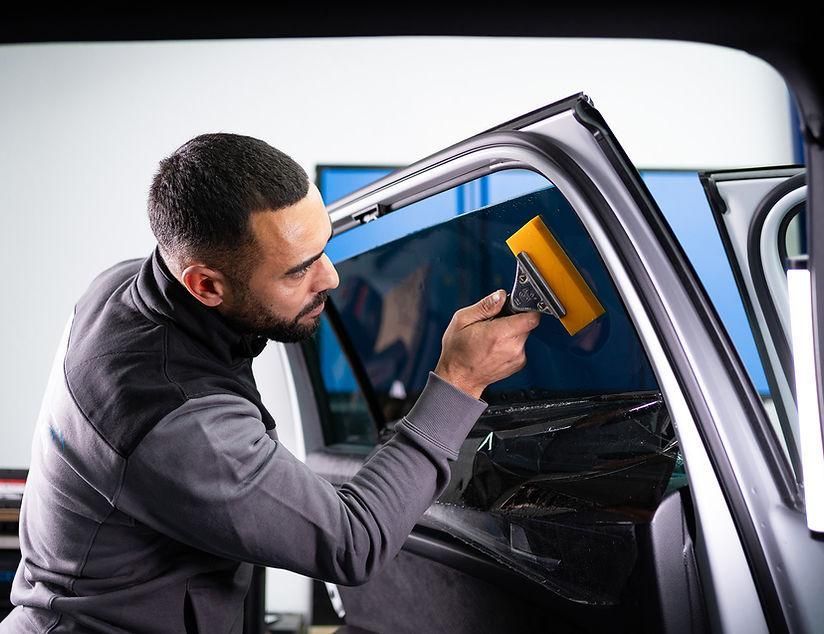
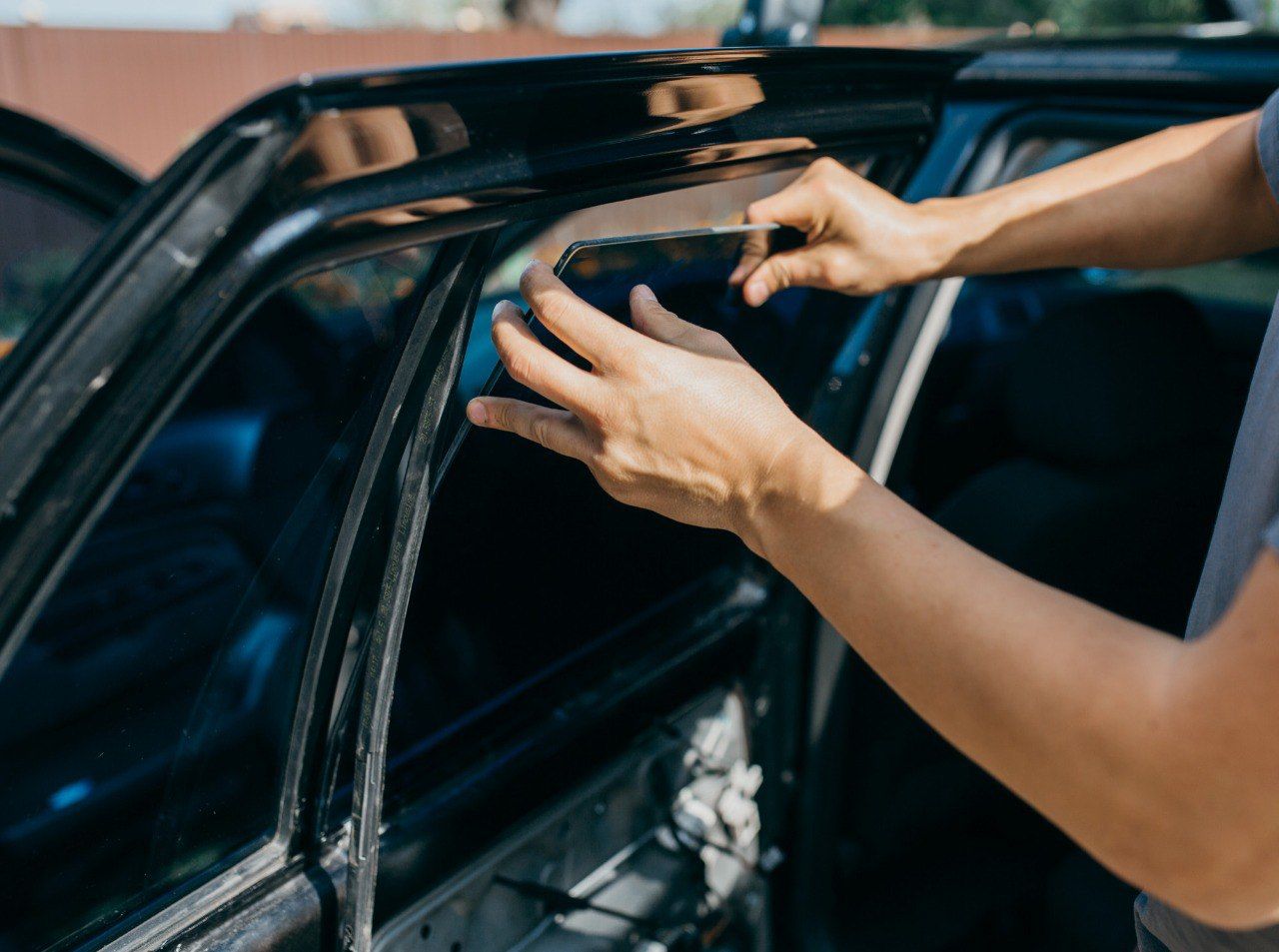
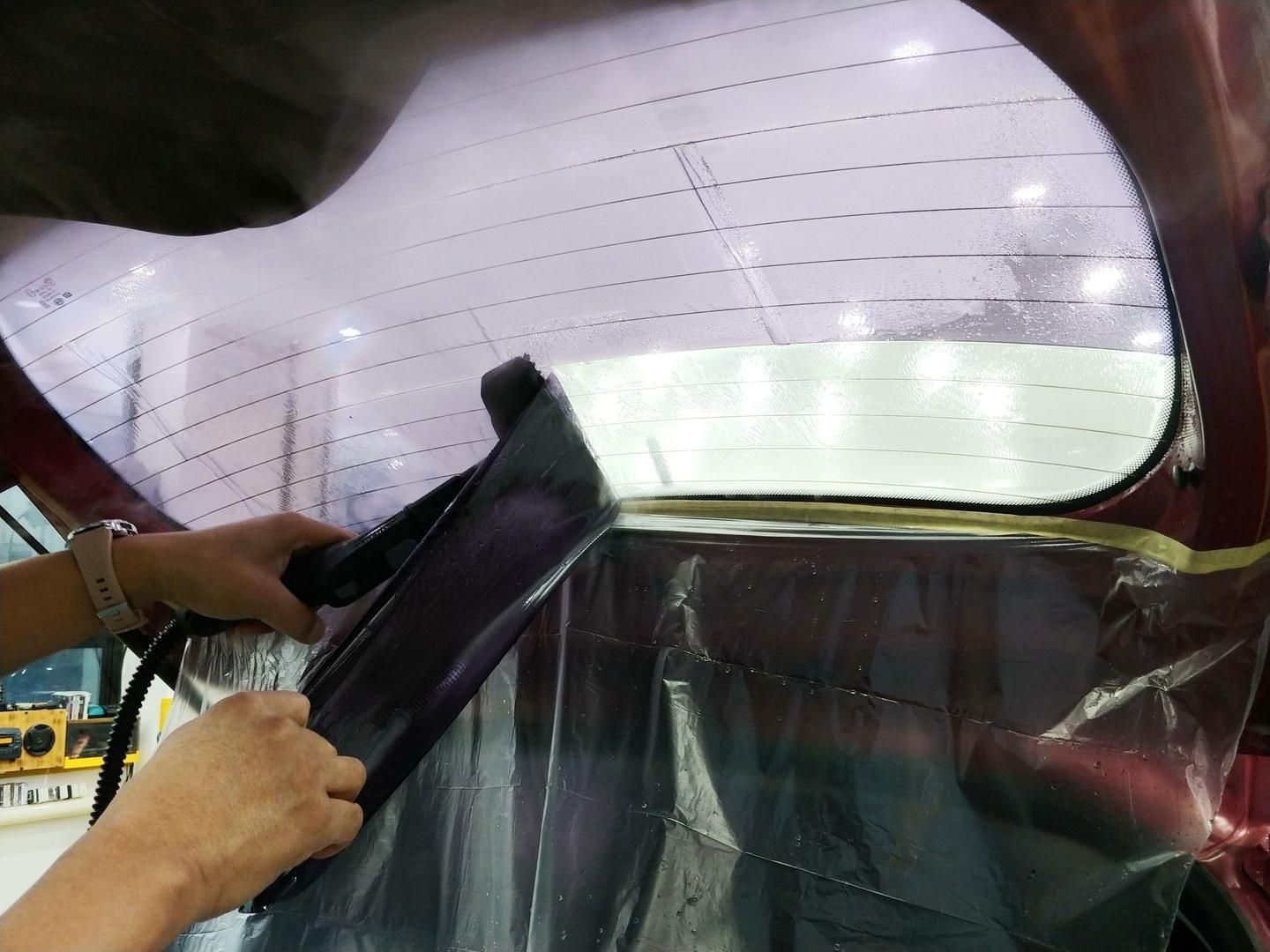
A clean, professional install with quality film helps keep your view sharp day and night as the film cures and settles.
Florida Tint Laws and Safety You Should Not Ignore
Florida sets specific rules about how much light has to pass through each window. The front windows must stay lighter than the rear, and there are limits for how low you can go on VLT. The windshield is the most restricted, with only a certain area allowed for a strip.
These rules are not only about avoiding tickets. They are tied to safety in real-life situations, like:
- Seeing cross traffic at night in the rain
- Spotting kids or pets when backing out of a driveway
- Reading signs and spotting hazards on dim side streets
Staying legal helps keep you and everyone around you safer. It also avoids those moments where you second-guess whether your tint is too dark, especially if you drive a lot after sunset.
A professional tint shop that understands Florida rules can walk you through what is allowed and help match film options to those limits, so you do not have to guess or risk going too dark.
Real-World Tint Setups That Work in Largo, FL
Different drivers need different setups. A good shop will ask how you use your vehicle before suggesting film and shades.
Here are some common profiles and what often works well:
- Daily commuter on U.S. 19: Light to medium ceramic on the front sides, slightly darker on the rear, with a legal windshield strip for afternoon sun
- Rideshare or delivery driver: Lighter but high-heat-rejection film all around for long hours on the road, so night visibility stays comfortable
- Family hauler: Medium rear tint for kids in the back, lighter on the front for better visibility at night school events or evening practices
Film type also matters:
- Dyed film: Mainly for looks and a bit of glare reduction, less heat control
- Metalized film: Better heat rejection, but can reflect more and may affect some signals
- Ceramic or IR films: Strong heat reduction, low reflectivity, and clear views at lighter shades
Other factors matter too, like your vehicle color, whether you already have factory privacy glass, and how sloped your windshield is. All of these influence how dark a film feels from the inside and how well you can see at night.
Talking through these details in person, looking at film samples on glass, and thinking about your routes around
Largo helps you land on tint that keeps your car cooler, softens headlight glare, and still feels safe when you are driving home after dark.
Reduce Glare, Protect Your Home, and Feel More Comfortable
If you are ready to improve comfort, privacy, and energy efficiency, our team at
Window Kote of Largo is here to help. Explore how
window tinting in Largo, FL can protect your interiors and make every room more enjoyable year-round. Have questions about your specific windows or goals? Simply
contact us and we will walk you through the best options for your home.