Can Window Tint Help Keep Your Car Cooler in Florida? What Tampa Bay Drivers Need to Know
Anyone who has opened their car door in a Largo parking lot in August knows the feeling. The air hits you like an oven, the steering wheel is too hot to grab, and the A/C takes forever to catch up. It's no surprise that "Does window tint actually keep your car cooler?" is one of the most common questions Florida drivers ask.
Here is the short answer: yes, quality
window tint can noticeably keep your car cooler in Florida. Good film blocks a large share of the sun's heat before it gets into your cabin, which keeps seats, dashboards, and steering wheels from getting as hot and helps your A/C cool the car faster. The key is choosing the right type of film. A heat-rejecting ceramic tint will keep your car much cooler than a cheap dyed film, even at the same darkness.
Window Kote of Largo has been tinting vehicles across Pinellas County since 1989. As a family-owned LLumar SelectPro dealer and the exclusive FormulaOne dealer for Largo and Pinellas County, we help drivers from Largo, Clearwater, Pinellas Park, St. Petersburg, Seminole, Indian Rocks Beach, and Tampa choose tint that really works in
Florida heat. This guide explains how tint keeps your car cooler, which specs matter, and how to pick the right film.
The Short Answer: How Window Tint Helps in Florida Heat
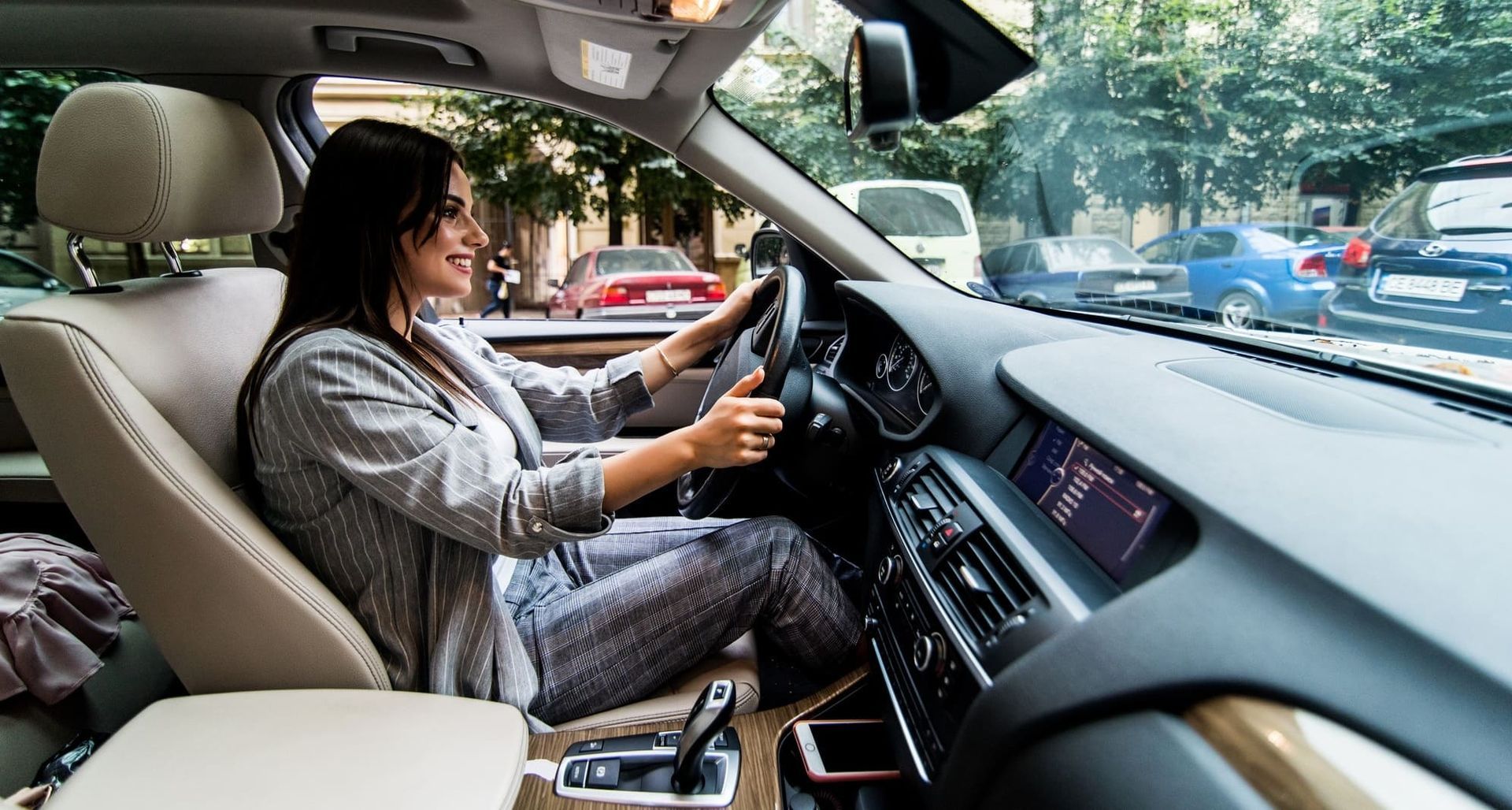
Professionally installed window tint helps keep your car cooler by:
- Rejecting solar heat before it enters the cabin through the glass
- Blocking infrared energy, the part of sunlight you feel as heat
- Reducing hot spots on seats, dashboards, and steering wheels
- Helping the A/C cool the cabin faster and work less hard
- Blocking 99% of UV rays, which protects your skin and interior from fading and cracking
What tint won't do is turn a parked car into a cool car. On a 93°F Florida afternoon, a tinted car will still be warm inside. It will simply be much more comfortable, and cool down much faster, than an untinted one.
Why Florida Cars Get So Hot
Your Car Acts Like a Greenhouse
Sunlight passes through your windows and is absorbed by seats, dashboards, and carpet. Those surfaces heat up and release that heat into the trapped air inside. With the doors closed, the heat has nowhere to go, so cabin temperatures can climb well above 120°F on a summer day in the Sunshine State.
The Heat You Feel Is Mostly Infrared
Sunlight is made up of visible light, ultraviolet (UV) rays, and infrared (IR) energy. Infrared is the part you feel as warmth on your skin through the glass. That's why heat-rejecting films focus on blocking infrared energy, not just darkening the window.
Tampa Bay Conditions Make It Worse
Pinellas County drivers deal with year-round sun, high humidity, and long stretches parked in open lots at work, the beach, and shopping centers along Ulmerton Road, US-19, and beyond. Add the glare off the Gulf and Tampa Bay, and it's easy to see why tint is one of the most popular upgrades for Florida vehicles.
How Window Tint Keeps Your Car Cooler
Not all tint works the same way. Understanding a few performance numbers will help you compare films and avoid paying for darkness when what you really want is heat control.
The Specs That Actually Matter
| Spec | What It Measures | Why It Matters for Heat |
|---|---|---|
| VLT (Visible Light Transmission) | How much visible light passes through | Controls darkness and legality, not heat by itself |
| TSER (Total Solar Energy Rejected) | Share of all solar energy blocked | The best single number for overall heat rejection |
| IRR (Infrared Rejection) | Share of infrared energy blocked | Shows how well a film blocks the heat you feel |
| UV Rejection | Share of UV rays blocked | Protects skin and prevents interior fading |
A common mistake is comparing films only by infrared rejection. A film can block a very high share of infrared energy but still have a modest total solar energy rejection. When you compare tint for heat, ask about total solar energy rejected first.
Does Darker Tint Keep Your Car Cooler?
Not necessarily. Darkness and heat rejection are two different things. A dark, low-quality dyed film can make your windows look like limo glass while letting a lot of heat through. A lighter nano-ceramic film can reject more heat while keeping your view clear. That's good news in Florida, where front side windows must let in at least 28% of light. With the right film, you don't need to go illegally dark to stay cool.
Comparing LLumar and FormulaOne Tint Options for Heat
At Window Kote of Largo, we install LLumar and FormulaOne films only. Here's how the main options compare for keeping your car cool:
| Film | Construction | Heat Rejection Level | UV Protection | Signal Interference | Best For |
|---|---|---|---|---|---|
| FormulaOne Stratos | Concentrated nano-ceramic | Maximum, up to 63% of solar heat | 99%+ | None | Drivers who want the coolest possible cabin |
| FormulaOne Pinnacle | Nano-ceramic | Outstanding | 99%+ | None | Top all-around performance and glare control |
| FormulaOne Comfort | Metallized and dyed | Excellent | 99%+ | Possible with metallized films | Strong heat control with a reflective look |
| FormulaOne Classic | Deep-dye charcoal | Good | 99%+ | None | Style-focused drivers on a budget |
| LLumar AIR Series | Nano-ceramic, nearly clear | Heat rejection without darkening | 99%+ | None | Drivers who want cooling without a tinted look |
All FormulaOne films carry a transferable lifetime limited manufacturer's warranty that stays with your vehicle (certain restrictions apply).
Why Ceramic Tint Is the Best Choice for Florida
Nano-ceramic films like Stratos and Pinnacle use billions of microscopic ceramic particles to absorb and block infrared energy. That means strong heat rejection without metal layers that can interfere with GPS, phones, keyless entry, or toll transponders. For Tampa Bay drivers who spend a lot of time in the sun, ceramic tint delivers the most noticeable difference in comfort.
How Much Cooler Will Your Car Actually Be?
Results depend on the film, shade, your vehicle's glass, which windows are tinted, and how long the car sits in the sun. In general, Florida drivers notice:
- Seats and steering wheels that are far less painful to touch after the car sits in the sun
- A cabin that cools down faster once the A/C turns on
- Fewer hot spots on the sun-facing side of the car while driving
- Less glare and eye strain on bright days and near the water
- Passengers in the back seat, including kids and pets, staying more comfortable
The biggest gains come from tinting all side and rear windows with a ceramic film. Because the windshield is the largest piece of glass, it lets in a lot of heat. Florida law allows only non-reflective tint above the windshield's AS-1 line, so ask us which windshield options are legal for your vehicle before you decide.
Our Auto Tint Process
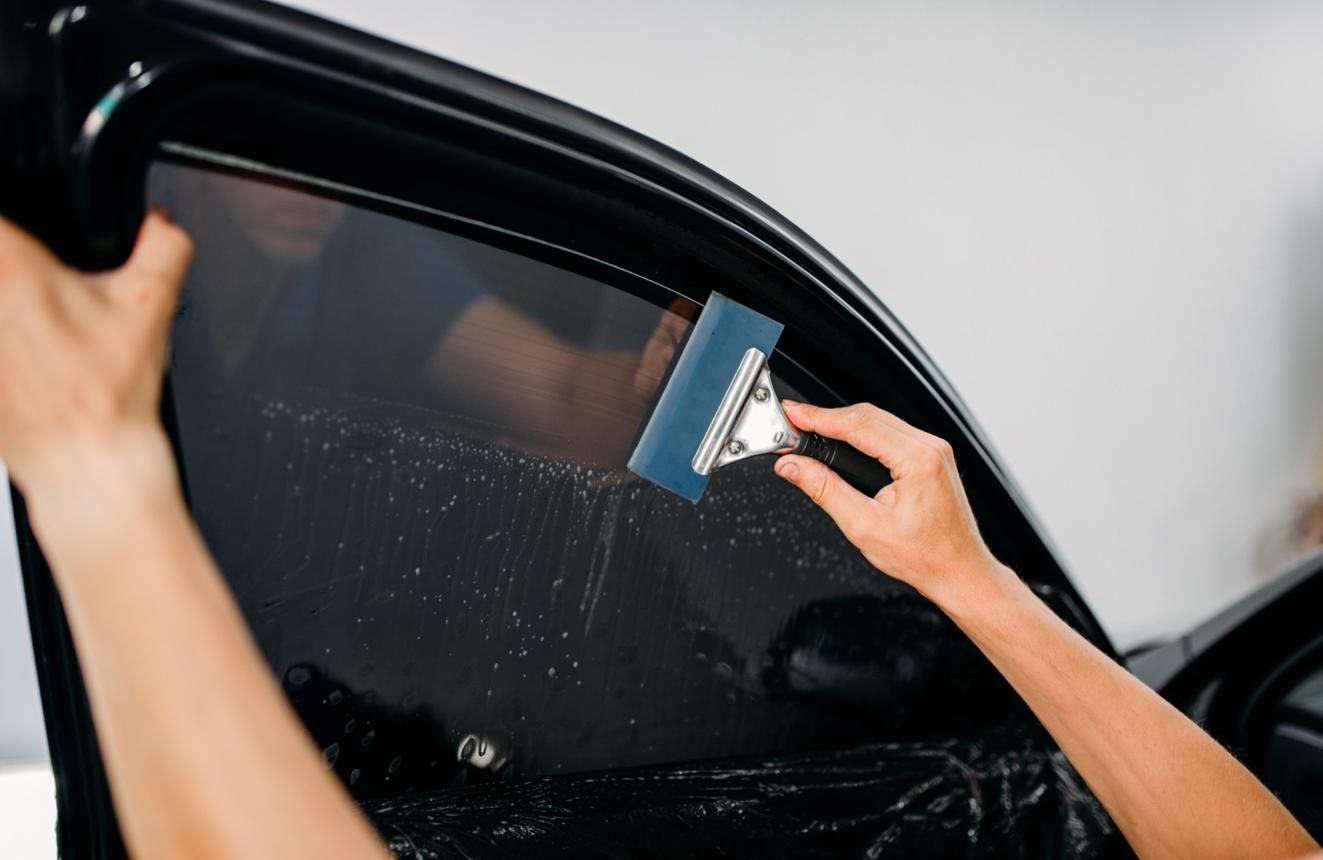
At Window Kote of Largo, we believe the right film only performs as promised when it's installed correctly. Here's what to expect.
Consultation and Film Selection
We ask how you use your vehicle, how long it sits in the sun, and what look you want. Then we recommend a FormulaOne or LLumar film and shade that maximizes heat rejection while staying within
Florida tint laws. You can also preview options with our online auto film viewer.
Precision-Cut Patterns
We use advanced software to cut film patterns precisely to your vehicle. We never cut film directly on your glass or near sensitive electronics, so there's no risk of blade marks.
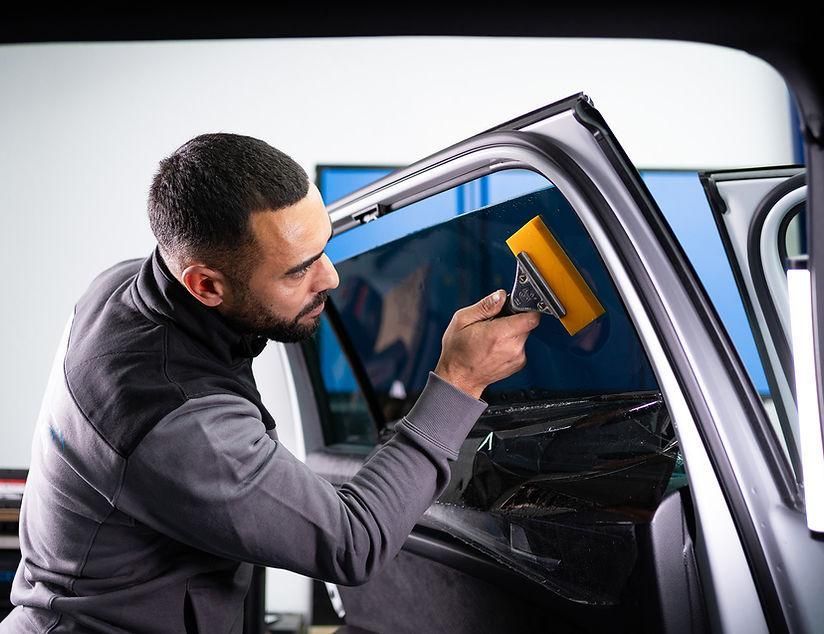
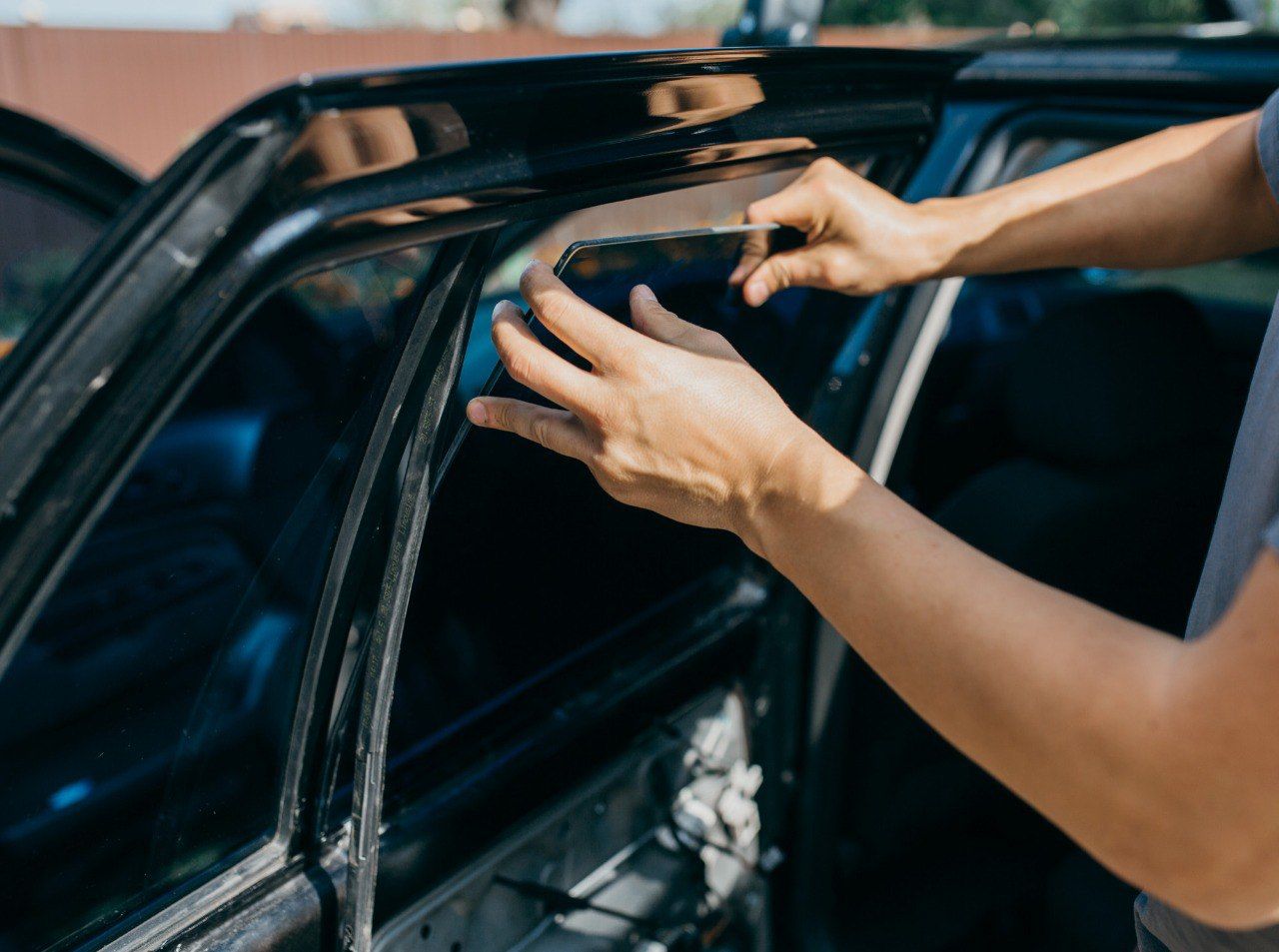
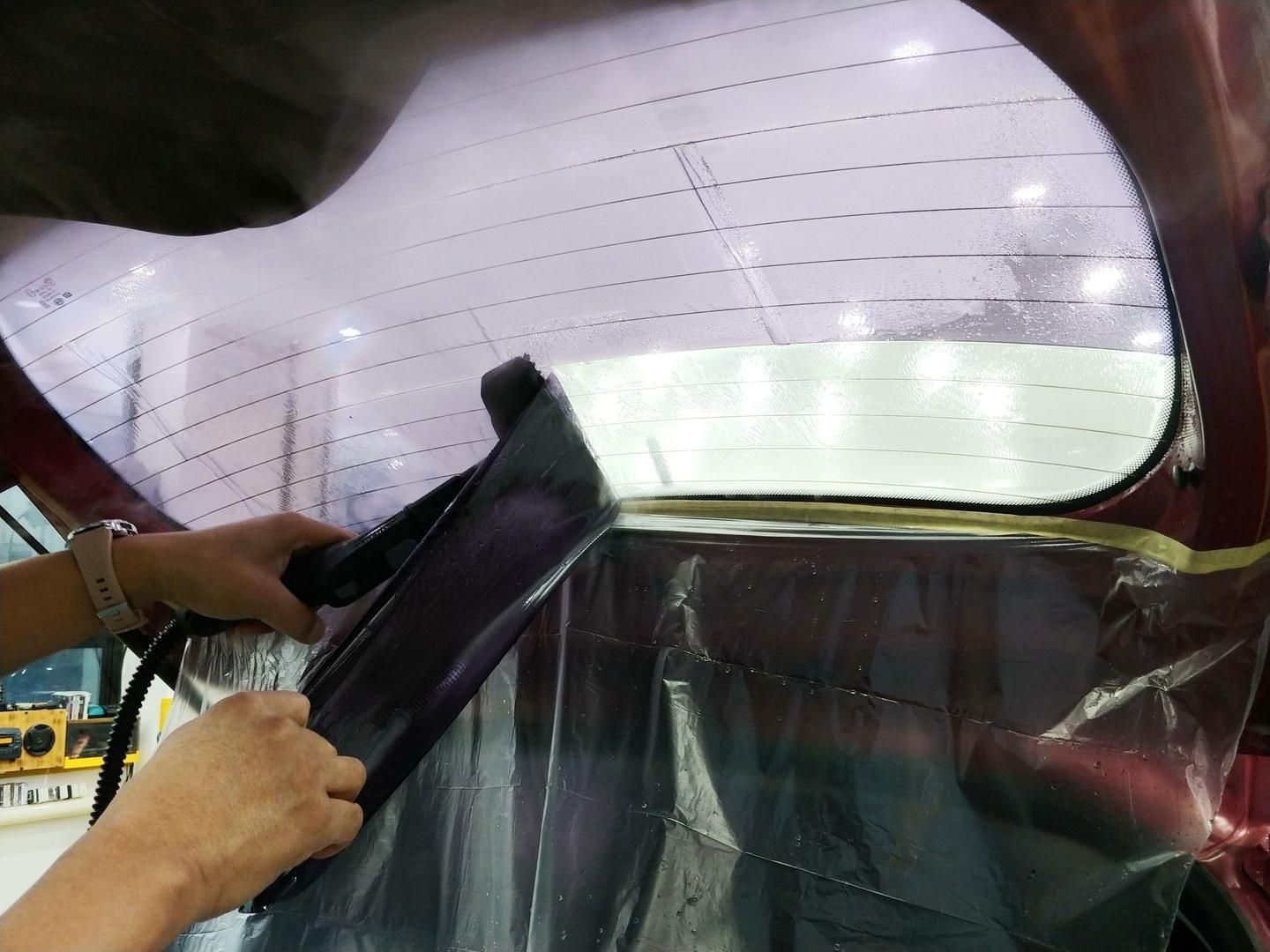
Professional Installation
Our trained technicians clean and prep every window, then install the film in a clean environment for a smooth, bubble-free finish. Most installations take about 1.5 to 3 hours.
Curing and Aftercare
We'll walk you through care instructions. We recommend waiting 3 to 5 days before rolling your windows down so the film can fully cure and bond to the glass.
Tips to Keep Your Car Even Cooler in Florida
Window tint works best as part of a simple heat-fighting routine:
- Tint every side and rear window: Partial coverage leaves heat gaps where the sun gets in.
- Choose ceramic over darkness: Pick a film by heat rejection, not just shade.
- Use a windshield sunshade when parked: It complements tint on the largest piece of glass.
- Park in shade when you can: Even partial shade reduces heat buildup.
- Vent the car before driving: Open the doors or windows for a few seconds to let hot air escape.
- Keep the A/C on recirculate once it's cool: It helps maintain temperature with less effort.
Why Pinellas County Drivers Trust Window Kote of Largo
Window Kote of Largo has served Pinellas County since 1989 and is proud to be family owned. As one of
LLumar's SelectPro dealers and the exclusive
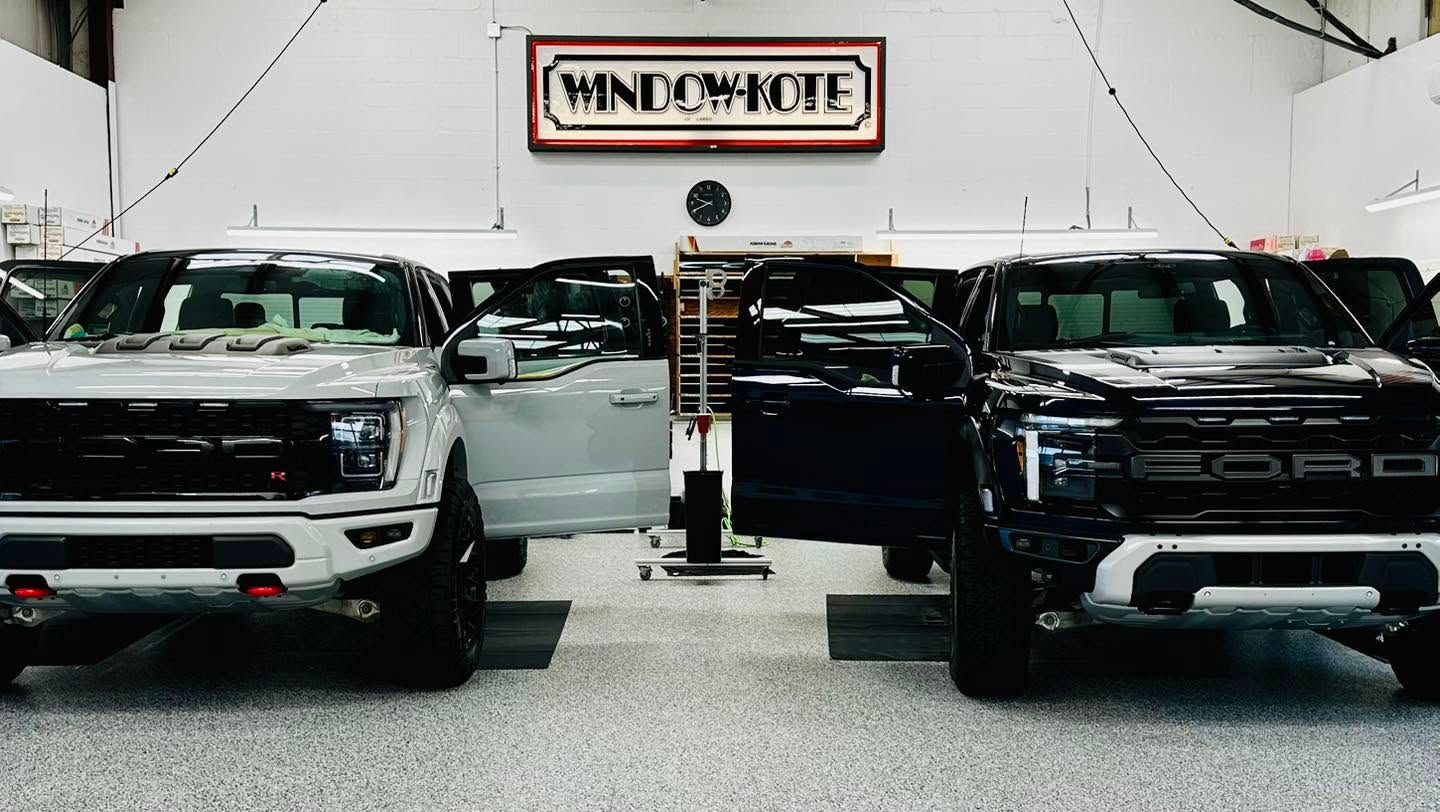
FormulaOne dealer for Largo and Pinellas County, we offer premium films that aren't available at every tint shop. We've tinted thousands of vehicles for local drivers and hundreds for Pinellas County organizations, including local police department and school district vehicles.
Our customers regularly mention our honest advice, clean shop, comfortable waiting room, and tint that never bubbles or turns purple. We help every customer choose a film that's legal, comfortable, and built for Florida's sun.
Frequently Asked Questions About Window Tint and Heat
Does window tint really keep your car cooler?
Yes. Quality window tint blocks a significant share of solar heat before it enters your car, which keeps the cabin and surfaces cooler and helps the A/C work more efficiently. Ceramic films offer the most noticeable heat reduction.
What is the best tint for heat rejection in Florida?
Nano-ceramic tint is the best choice for Florida heat. At Window Kote of Largo, FormulaOne Stratos is our maximum heat-rejecting film, rejecting up to 63% of solar heat, and Pinnacle offers outstanding all-around performance.
Is darker tint better for keeping a car cool?
Not always. Darkness controls how much visible light passes through, but heat rejection depends on the film's technology. A lighter ceramic film can keep your car cooler than a darker dyed film.
Can I get heat rejection without dark tint?
Yes. LLumar AIR Series is a nearly clear nano-ceramic film that helps keep your vehicle cooler and blocks UV rays without the dark look of traditional tint.
How dark can I legally tint my car in Florida?
For sedans, front side windows must allow at least 28% of light, while rear side and rear windows must allow at least 15%. For SUVs and vans, rear side and rear windows can go as low as 6%. Windshield tint is limited to non-reflective film above the AS-1 line.
How long does car window tint last in Florida?
High-quality LLumar and FormulaOne films can last 10 years or more when properly cared for, and FormulaOne films are backed by a transferable lifetime limited warranty.
Stay Cooler on Every Florida Drive
Window tint is one of the most effective ways to fight Florida heat in your car. The right film keeps your cabin more comfortable, helps your A/C cool things down faster, protects your skin and interior from UV damage, and makes every summer drive a little easier. The secret is choosing heat-rejecting technology, not just a darker shade.
If you live or work in
Largo, Clearwater, Pinellas Park, St. Petersburg, Seminole, Indian Rocks Beach, Tampa, or anywhere in Pinellas and Hillsborough counties, Window Kote of Largo can help you find the right FormulaOne or LLumar film for your vehicle.
Call (727) 587-0222 or request
a free estimate online. Visit us at 10765 Ulmerton Rd, Largo, FL 33778, Monday through Friday from 8am to 5pm and Saturday from 8am to 3pm.