

What Daily Driving Does to Untreated Paint in Pinellas County

How Florida Daily Driving Quietly Destroys Your Paint
Daily driving around Largo, Clearwater, and St. Petersburg is harder on your paint than most people think. The car still looks “pretty good” in the driveway, so it feels like nothing bad is happening. But every commute, every beach run, and every quick stop at the store slowly wears down that thin clear coat that protects your color.
Your paint is the first shield between your car and the Pinellas County environment. When that shield breaks down, the car starts to look old before it really is. In this article, we will talk about what our local sun, salt, and roads do to untreated paint and answer the big question that many drivers ask: Is paint protection film worth it for the way we drive and park here on the Gulf Coast?
Sun, Salt, and Sand: Pinellas County’s Perfect Storm
Florida sun does not play around, especially as we get closer to summer. When your car sits outside at work, at home, or at the beach, the clear coat heats up and breaks down little by little. Over time, that fresh, glossy look can start to turn dull and hazy.
Here is what our local environment throws at an unprotected finish:
- UV and heat: Strong sunlight and hot panels dry out the clear coat, leading to oxidation and fading.
- Coastal salt and moisture: Sea air and breezes push salt onto your car, where it sticks to the paint and metal.
- Sand, grit, and road film: Tiny grains from beaches, road dust, and construction sites stick to the surface.
Salt is especially sneaky. It settles on your hood, bumper, and roof, then mixes with moisture from humidity or afternoon showers. If you already have small chips or scratches, salt can get into those spots and speed up corrosion around the edges.
Sand and grit are like thousands of tiny pieces of sandpaper. Any time you wipe the car down when it is dusty, or run it through a basic automatic wash, those particles drag across the surface. That is where swirl marks and light scratches come from, even when you think you are “cleaning” the car.
Everyday Driving Hazards You Don’t See Until It’s Too Late
Most of the damage from daily driving in Pinellas County is small and hard to notice at first. It creeps up slowly, so by the time you finally see it, a lot has already happened.
Here are some of the quiet troublemakers:
- Road debris: Tiny rocks, shell pieces, and junk kicked up by tires on US-19 and the causeways.
- Bugs and droppings: Love bugs, bird mess, and tree sap that sit on the paint.
- Parking lot abuse: Carts, door dings, and tight parking spots.
Road rash on front facing panels is very common here. Your front bumper, hood, grille, and mirrors take constant hits from small rocks and debris. Each hit can chip the clear coat and sometimes the color under it, leaving a tiny white or dark spot. Multiply that by months of commuting, and it adds up to a “sandblasted” look.
love bugs and other insects are another big problem. Their guts are acidic and can bake into the clear coat when they sit on hot panels. The same thing goes for bird droppings and certain tree saps. If they are left on the paint, they can etch light stains into the surface that do not fully polish out.
Even trying to keep the car clean can cause damage. Quick drive-through car washes often use stiff brushes and dirty water. Rushed hand washes with old towels or sponges just drag dirt around. Little by little, gloss disappears, and the paint loses that slick, smooth feel.
How Damage Shows Up on Untreated Paint Over Time
In the first year or so of driving in our area, many owners begin to spot early signs of wear, even if the car is still fairly new. Common things people notice are:
- Fine swirl marks in the sun.
- A rough, sandpaper-like feel when you run your hand over the hood.
- Water spots that do not come off easily.
- Tiny chips and pits on the front bumper and hood.
None of these show up overnight. They build up, and then suddenly the car just does not “pop” the way it did when it was new. Washing takes longer, drying is harder, and you start seeing marks that your basic wax or detail spray cannot hide.
Over the long term, all this wear makes the vehicle look older and more tired than it really is. In a competitive Florida used car market, buyers and dealers pay close attention to paint condition. Faded, chipped, or heavily swirled paint can hurt what you get at trade-in or sale time.
There is also the cost of chasing that perfect finish. Many owners end up paying for:
- Paint correction to remove swirls and light scratches.
- Touch-up work for chips along the front end.
- Frequent detailing just to keep the paint looking “decent.”
The problem is that daily driving continues to create the same damage again. You fix it, then the environment and roads undo the work.
Is Paint Protection Film Worth It for Pinellas Drivers?
So, is paint protection film worth it for local drivers? For many people in Pinellas County, the answer depends on how they use and care for their vehicles.
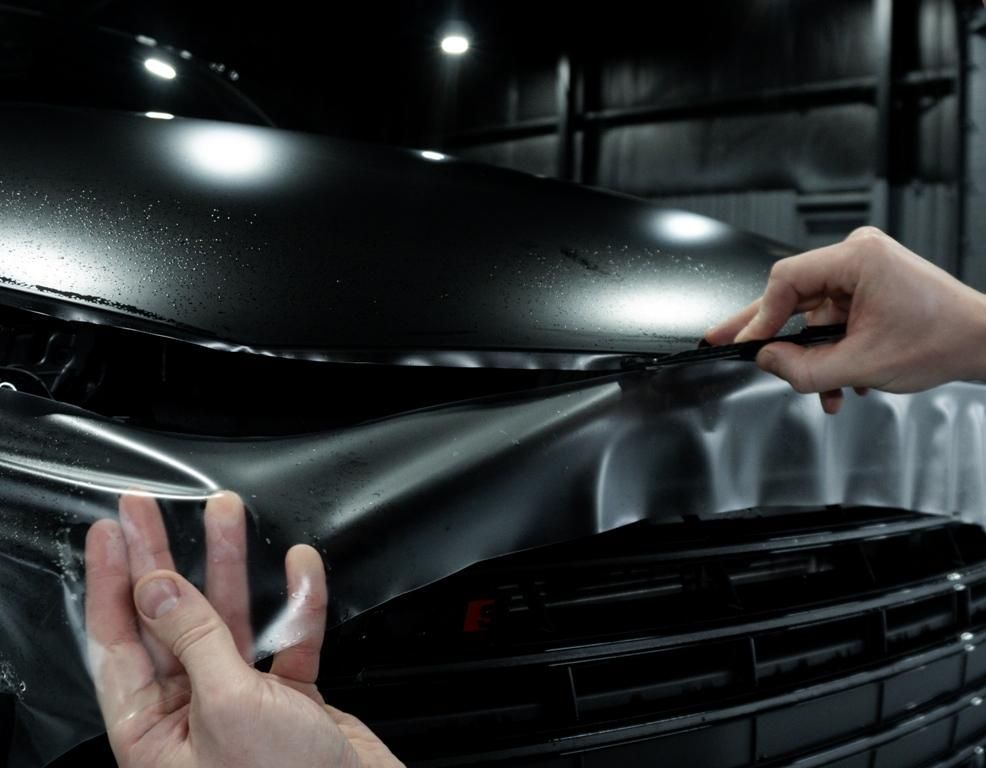
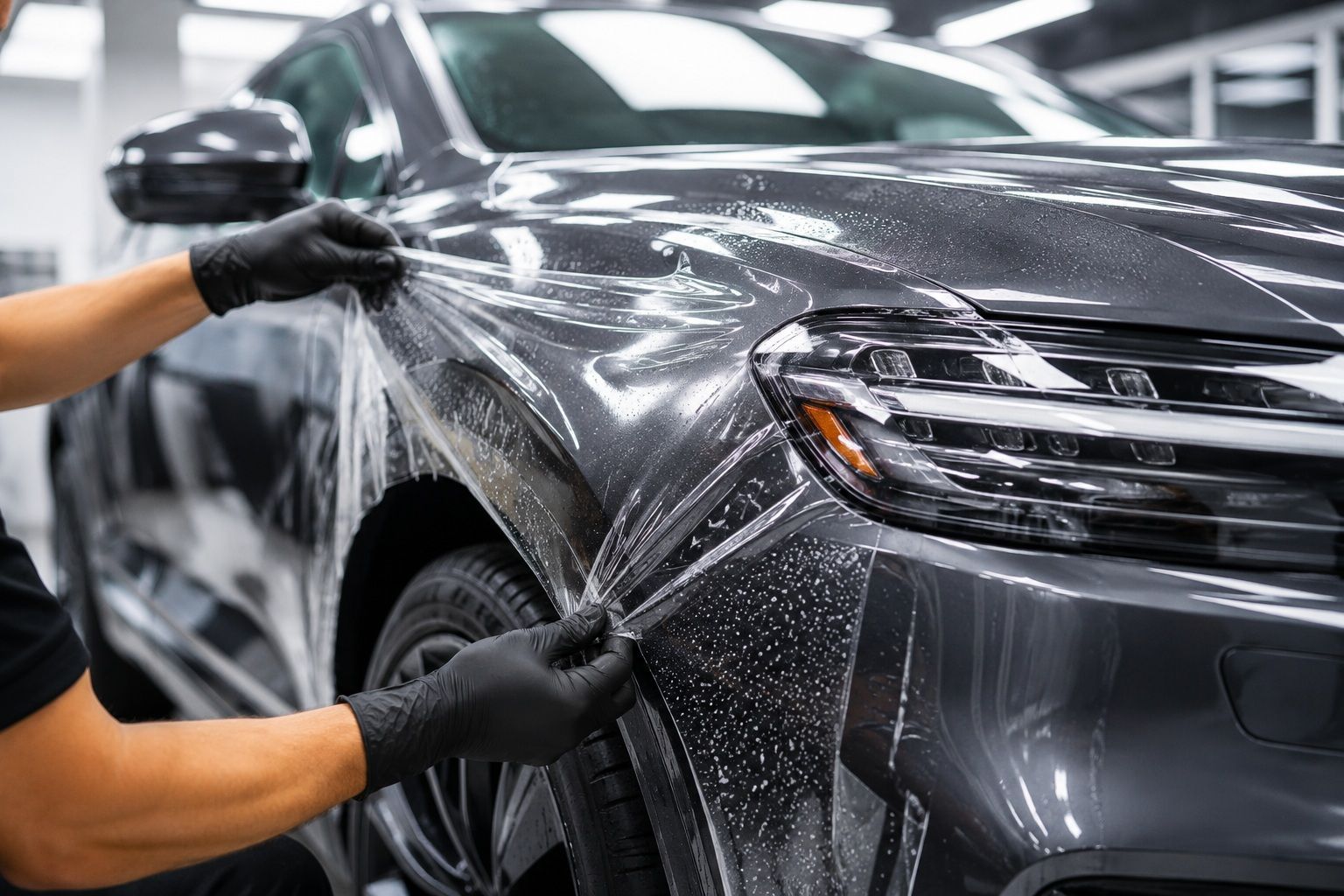
Paint protection film, or PPF, is a clear film applied over your paint. It is almost invisible and is made to absorb impacts and resist stains. When a rock or piece of debris hits, the film takes the hit instead of the paint.
In our climate, good PPF can help with:
- Highway and causeway driving, where rocks and debris are common.
- Love bug seasons, since the film is easier to clean and less likely to stain.
- Beach trips, where sand and salt spray are part of every outing.
PPF does not stop every kind of mark, but it can greatly cut down on chips, pits, and etching on the areas that take the most abuse. Over time, the one-time investment in quality film and professional installation can help reduce how often you need correction, touch-up, or even repainting and help your car hold a cleaner, newer look.
Why Professional Installation and Pairing with Ceramic Matter
Modern vehicles have complex body lines, sensors, and glossy finishes that need careful work. Proper PPF installation calls for the right prep, clean panels, and film patterns that fit your exact year and model.
Professional installers use:
- Computer-cut patterns to match body panels and edges.
- Careful cleaning and prep so the film lays flat and clear.
- Techniques to avoid trapped dust, bubbles, and rough edges.
Many drivers in Pinellas County also like to pair PPF with a ceramic coating. Ceramic on top of the film adds extra gloss and slickness, which makes wash time easier, especially during rainy months and when bugs are heavy. Dirt sticks less, water sheets off better, and cleanups after beach days feel quicker and less stressful.
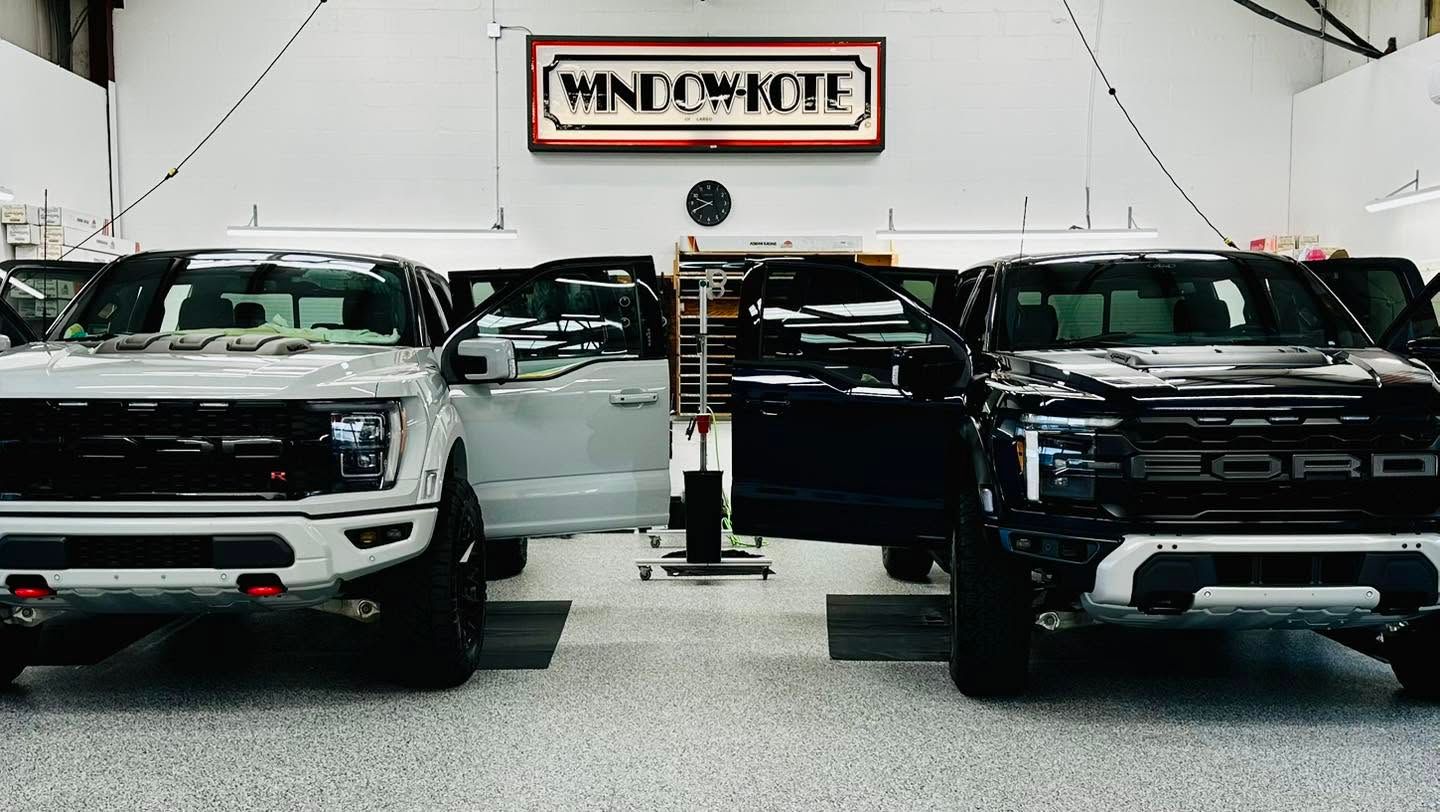
At Window Kote of Largo, we focus on window tinting, paint protection film, and ceramic coating for our local driving conditions. We work with drivers across Largo and the surrounding Pinellas County area who want their vehicles to look better, stay cleaner, and handle our sun, salt, and sand with less stress.
Protect Your Vehicle’s Finish With Trusted Film Installation
If you have been asking yourself
Is paint protection film worth it?, let
Window Kote of Largo show you how professional installation can help preserve your car’s shine and resale value. We take the time to understand how you drive and recommend the coverage that makes the most sense for your vehicle and budget. Reach out today with any questions or to request a quote through our
contact us page so we can help you protect your investment.