
Florida Windshield Sun Strip Tint: Legal VLT Limits and Glare-Reduction Tips

Cut Harsh Florida Sun Glare Without Sacrificing Safety
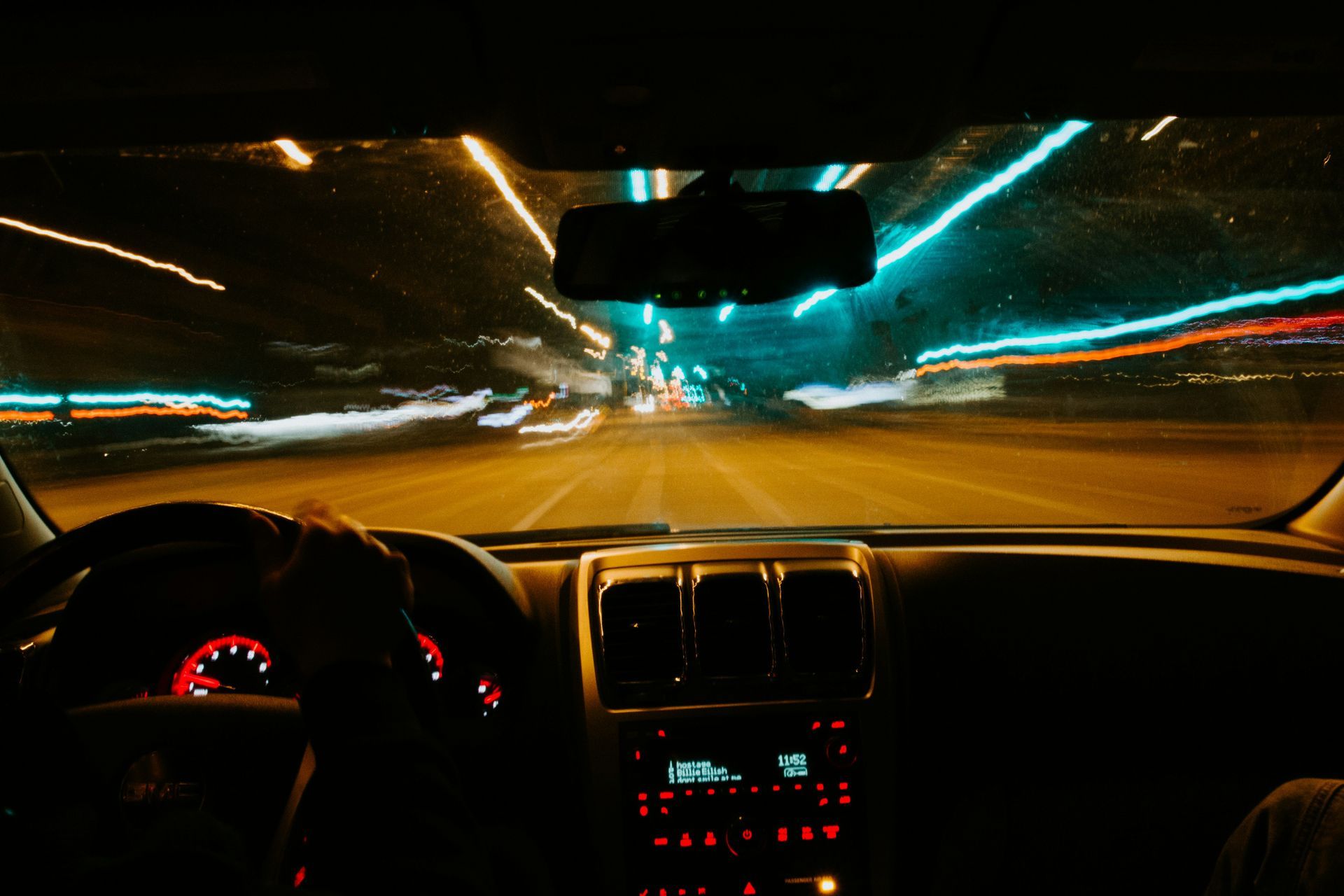
Driving across Tampa Bay and Pinellas County at sunrise or sunset can feel like staring into a spotlight. East in the morning, west in the evening, that low-angle sun bounces off the water, the hood, and even the car in front of you. It is bright, it is harsh, and it can make simple things like seeing the brake lights ahead a lot harder than they should be.
A windshield sun strip, also called a brow or visor strip, is a simple way to calm that glare. It is a tinted band across the top of your windshield, not a full windshield tint. When it is done right and kept legal, it cuts glare, eases eye strain, and helps keep your cabin more comfortable, without making it hard to see at night. That balance is the key, and that is what we will walk through here.
What a Windshield Sun Strip Actually Does
A brow tint sits at the very top edge of your windshield, usually a few inches tall. It follows the curve of the glass and lines up with the area just above your normal line of sight. When you sit in the driver's seat, your eyes should see clear glass straight ahead, with the tinted strip catching the top part of the sky and sun.
A good sun strip helps in more ways than people expect:
- Cuts direct sun from your eyes during sunrise and sunset
- Reduces squinting and headaches on long drives
- Makes stop-and-go traffic a little less stressful
- Helps protect your dashboard from fading
- Gives the front of the car a cleaner, finished look
Standard visors are helpful, but they are clunky. They block a big chunk of your view and do not always reach where the sun is hitting. Clip-on shades or cardboard add-ons can rattle, fall, or block too much glass. A well-placed brow tint is always in the right spot, keeps your view consistent, and does not need to be flipped up and down while you drive.
Florida Windshield Tint Laws You Must Know
Florida is pretty clear about windshield tint. The main rule is that any tint on the windshield has to stay above the AS-1 line that is marked on the glass. If that line is not marked, the law uses a set distance from the top of the windshield instead. The rest of the windshield has to stay clear and non-reflective so your view of the road is not blocked.
That is where a sun strip fits in. It is allowed in that upper zone, as long as:
- It does not go below the legal line
- It is not a mirrored or highly reflective film
- It does not use banned colors, like very bright or odd tints that stand out
One common myth is that any strip is fine as long as you can see through it. That is not true. If it dips too low or uses a film that is not allowed, it can be considered illegal. That can mean being pulled over, dealing with fix-it tickets, and having to remove and redo the film. Keeping the brow legal from the start is always easier than peeling it off later.
Picking the Right VLT to Balance Glare and Night Vision
Visible Light Transmission, or VLT, is how much light a film lets through. A lower number means a darker film. A darker brow blocks more glare, but if you go too dark, it can make it harder to see traffic lights, overhead signs, or people in crosswalks at night, especially when you are looking up through that top edge of the glass.
For our bright Florida sun, here is some general guidance for a sun strip:
- Daily commuter vehicles: a medium-dark brow that cuts glare but still lets you see through it when the sky is cloudy
- Rideshare or delivery drivers who work at night: slightly lighter tint to protect night visibility
- Older drivers or anyone with sensitive eyes: stay on the lighter side and rely on quality film that fights heat and UV without being super dark
Quality matters more than pure darkness. Films from brands like LLumar and Formula One are designed to block heat and UV very well, so you do not have to choose the darkest shade to feel a difference. That helps keep night driving safer while still softening the sun when it is high and harsh.
Best Practices for Safe, Legal Brow Tint in Largo
A safe, legal sun strip is all about placement and precision. On modern curved windshields, a one-size-fits-all strip does not really exist. The installer needs to:
- Keep the tint strictly above the AS-1 line or legal height
- Avoid dipping into the main viewing area in front of the driver
- Shape the film to match the curve and sensors at the top of the glass
Professional tools, like plotters or skilled hand-cut work, help the film hug the glass cleanly without jagged edges or gaps. That is especially important on cars with cameras, rain sensors, or lane assist equipment near the rearview mirror.
Once the brow is dialed in, it should match the rest of your tint setup. Many drivers like:
- Legal VLT on the front side windows for clear visibility
- Slightly darker rear windows for more heat and glare control
- A sun strip that ties it all together without darkening the windshield view
Local tint pros in Largo deal with
Florida law and local enforcement every day, so they know how far you can go without crossing the line.
Seasonal Sun and Daily Driving in Pinellas County
As spring rolls along and days get longer, more of us are driving to and from work in direct sun. Beach traffic builds on US-19, the causeways stay busy, and that strong light reflects off the water and surrounding cars. Even a short commute from Largo to Clearwater, St. Petersburg, or over to Tampa can feel draining when you are squinting the whole way.
A well-designed sun strip softens that light, so your eyes feel calmer, your shoulders relax a little, and you can stay focused on the road instead of fighting the glare. It is especially helpful on bridges and open stretches with wide sky and bright reflections, where there is nowhere for your eyes to hide.
A good brow also works year-round. It calms the harsh summer sun, but it still lets enough light through during shorter winter days or during heavy rain. When the sky is darker and you need every bit of visibility you can get, a carefully chosen VLT keeps the tint from becoming a problem instead of a help.
Windshield sun strips sit in that sweet spot between comfort and safety. With the right film, the right shade, and the right placement, you can cut glare, protect your eyes, and keep your view clear day and night. For Florida commuters who deal with the sun almost every single day, it is one of the simplest upgrades you can make to your drive.
Enhance Comfort And Protect Your Home With Professional Tinting
If you are ready to reduce glare, improve privacy, and help protect your interiors from UV damage, our team at
Window Kote of Largo is here to help. Discover how our
window tinting in Largo, FL can make your home more comfortable and energy efficient all year long. Tell us about your project and we will recommend the films and options that best fit your windows and your goals. To schedule a consultation or ask questions, simply
contact us today.