

Maximizing Ceramic Tint Performance in Coastal Florida Homes
Maximizing Ceramic Tint Performance in Coastal Florida Homes
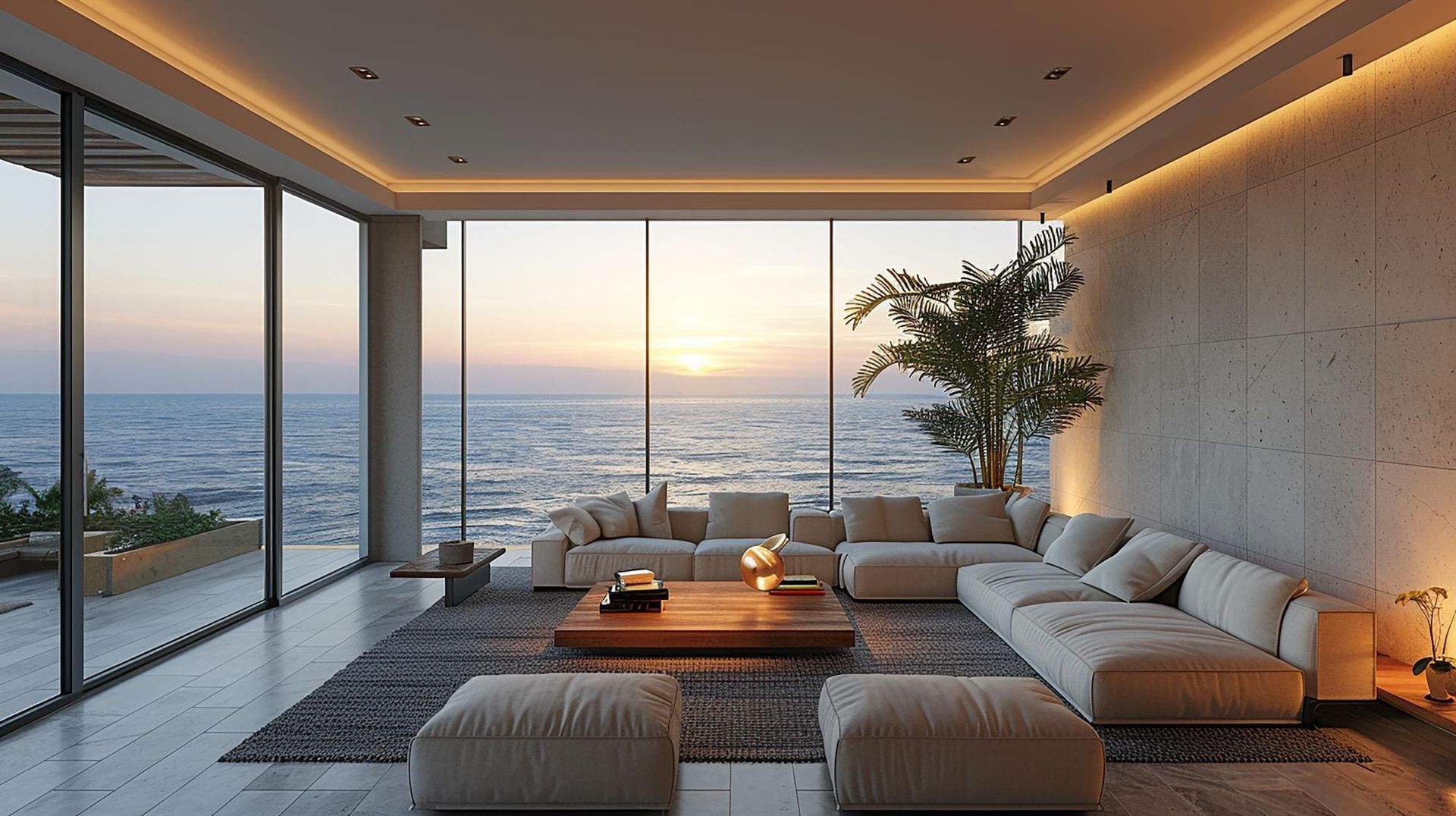
Bright coastal light is part of why we love living in Largo and the rest of Pinellas County. Big windows, water views, and open floor plans feel amazing, right up until the rooms heat up, the glare hits your eyes, and the AC never seems to shut off. That’s where ceramic window tint for homes starts to earn its keep.
We want to walk through how ceramic tint works in a coastal climate, what makes it different from other films, and how to get the most performance out of it in your own home. If you are thinking about ceramic tint in Largo, FL, the goal is simple: cooler, more comfortable rooms without losing the light and views you enjoy.
How Coastal Florida Climate Impacts Your Windows
Coastal Florida sun is no joke. Our homes take direct sunlight for long hours most of the year, and your glass feels it first. All that light and heat streaming through can:
- Warm up rooms faster than your AC can keep up
- Fade flooring, rugs, artwork, and furniture
- Create annoying glare on TVs and computer screens
Then there is the humidity. Moist, salty air moves through open windows and doors, and it often leaves residue on the glass. Near the water, salt can build up even quicker. That salt, combined with heat and storms, is hard on both your windows and any film applied to them.
We also deal with fast shifts from bright midday sun to afternoon storms. That can stress window seals and affect how glass expands and contracts. Films that are not designed for strong, steady sun and changing conditions can break down early, peel, or lose clarity. Quality ceramic films, like those from LLumar, are created with harsh, sunny regions in mind, so they are built to stand up to the kind of conditions we see around Largo, Clearwater, and the beaches.
What Makes Ceramic Tint a Smarter Home Upgrade
All window films are not the same. Dyed films mostly change the look of the glass and help a little with glare. Metallic films reflect heat, but they can look shiny and may interfere with phones or Wi-Fi. Ceramic tint uses nano-ceramic particles that work differently.
Here is what that means for your home:
- Strong heat rejection without making the glass super dark
- Up to 99 percent UV protection to help slow fading of floors and fabrics
- Noticeable glare control so you can actually sit near big windows
- No mirror-like look, so your home still feels natural and open
Ceramic films focus on performance instead of just color. You still get the daylight you love, but with far less harsh heat. West- and south-facing rooms that used to feel off-limits midafternoon can start to feel usable again. Your AC does not have to push as hard, and temperatures feel more even from one room to the next.
We also like ceramic tint for the way it looks, or more accurately, how it does not look. It has a neutral, non-reflective finish that most HOAs accept because it does not make windows look shiny or mirrored. From the street, your home keeps its curb appeal, and from the inside you keep your connection to the water, trees, or pool area.
Choosing the Right Ceramic Tint in Largo, FL
Getting good results is not only about picking “ceramic.” Shade, performance level, and even local rules all matter. Coastal condos, townhomes, and waterfront properties may have guidelines on how dark windows can be. The right film needs to balance:
- Heat control and glare reduction
- View quality, especially toward the Gulf or Intracoastal
- HOA or building appearance rules
During a professional in-home visit, we look at:
- Which way your windows face and when they get sun
- The type of glass you have, like sliders, impact glass, or older windows
- How you use each room, like home offices, nurseries, or main living areas
Many Largo homeowners tell us the same priorities: keep the view, cut the heat, and do not make rooms feel like caves. This is where having access to a full range of ceramic options helps. LLumar ceramic films come in different shades and performance levels, so we can fine-tune a match for our coastal sun instead of using a one-size-fits-all film.
Installation Techniques That Maximize Film Performance
Even the best ceramic film will only perform as well as its installation. Coastal homes need extra care before film ever touches glass. Salt residue, pollen, and old adhesive all have to be removed so the film can bond smoothly.
A pro installation usually includes:
- Careful cleaning and prep to clear salt, grime, and any old film
- Custom measuring for each pane, especially for large sliders and corners
- Precision cutting so edges are clean and consistent
- Expert squeegee work to push out solution and avoid trapped dust
Florida’s warm, humid air also affects how film cures. Right after installation, you might see a light haze or tiny moisture pockets. That is normal. As the film bonds to the glass, that moisture evaporates. Depending on sun exposure and airflow, this can take several days or even a few weeks.
Tricky glass, like tall transoms, large sliding doors, and corner windows that catch direct sun, needs an experienced installer. Good technique helps the film lie flat, look clear, and deliver the best possible heat and glare control over time.
Caring for Ceramic Tint in Humid, Salty Air
Once your film is in place and cured, care is simple, but there are a few coastal-specific habits that help it last.
Do:
- Wait until the film is fully cured before the first cleaning
- Use soft, clean cloths or microfiber towels
- Use mild, non-ammonia cleaners or a gentle soap-and-water mix
- Rinse exterior windows regularly to cut down salt buildup
Do not:
- Use razor blades, scrapers, or abrasive pads on the film
- Spray harsh chemicals or strong ammonia cleaners on the glass
- Scrub corners or edges aggressively
Keeping salt and grit off the glass helps both the window and the film stay clear over time. LLumar films come with warranty coverage when installed by qualified dealers, and proper care helps keep that protection in place through many summers of heat and humidity.
Pairing Ceramic Tint with Other Home Protection Upgrades
Ceramic home tint pairs well with other protective services, especially here on the coast where sun and salt reach more than just your windows. Many homeowners like to combine:
- Ceramic tint on windows and sliders that get the most sun
- Paint protection film on exterior doors or railings with painted or finished surfaces
- Ceramic coatings on glass doors or on vehicles that sit in the driveway or near the water
Layering protection like this helps keep your whole property looking fresher. Glass stays clearer, painted surfaces keep their color longer, and the overall look of your home stays crisp and polished. Typical setups for Pinellas County homes might include tinting large living room sliders, treating upper transom windows that pour heat into entryways, and focusing on rooms that feel the hottest in the afternoon.
Getting your ceramic tint in Largo, FL dialed in before summer is a smart move. With daylight stretching longer and the sun sitting high, now is the time to think about how your windows are working for you, not against you. Window Kote of Largo is here to help you choose and install ceramic tint that fits your home, your view, and the way you live.
Improve Comfort And Efficiency In Your Home Today
If you are ready to cut glare, protect your interiors, and keep your home cooler, now is the perfect time to explore
ceramic tint in Largo, FL. At
Window Kote of Largo, we will walk you through your options so you get the right film for your windows and your budget. Have questions or want a customized quote for your home? Simply
contact us and we will help you schedule your project.