

How Dark Should I Tint My Car Windows?
Catching yourself asking "How dark should I tint my car windows?" Well, you're in the right place. Check out our helpful article for a practical look.

Are you looking for a way to reduce heat in your car? Do you want more privacy while driving?
Car window tinting is a convenient way to keep your car cool, add some privacy to your ride, and change the look of your car.
Keep reading to learn the answer to the question, "How dark should I tint my car windows?"
Window Tinting: The Basics
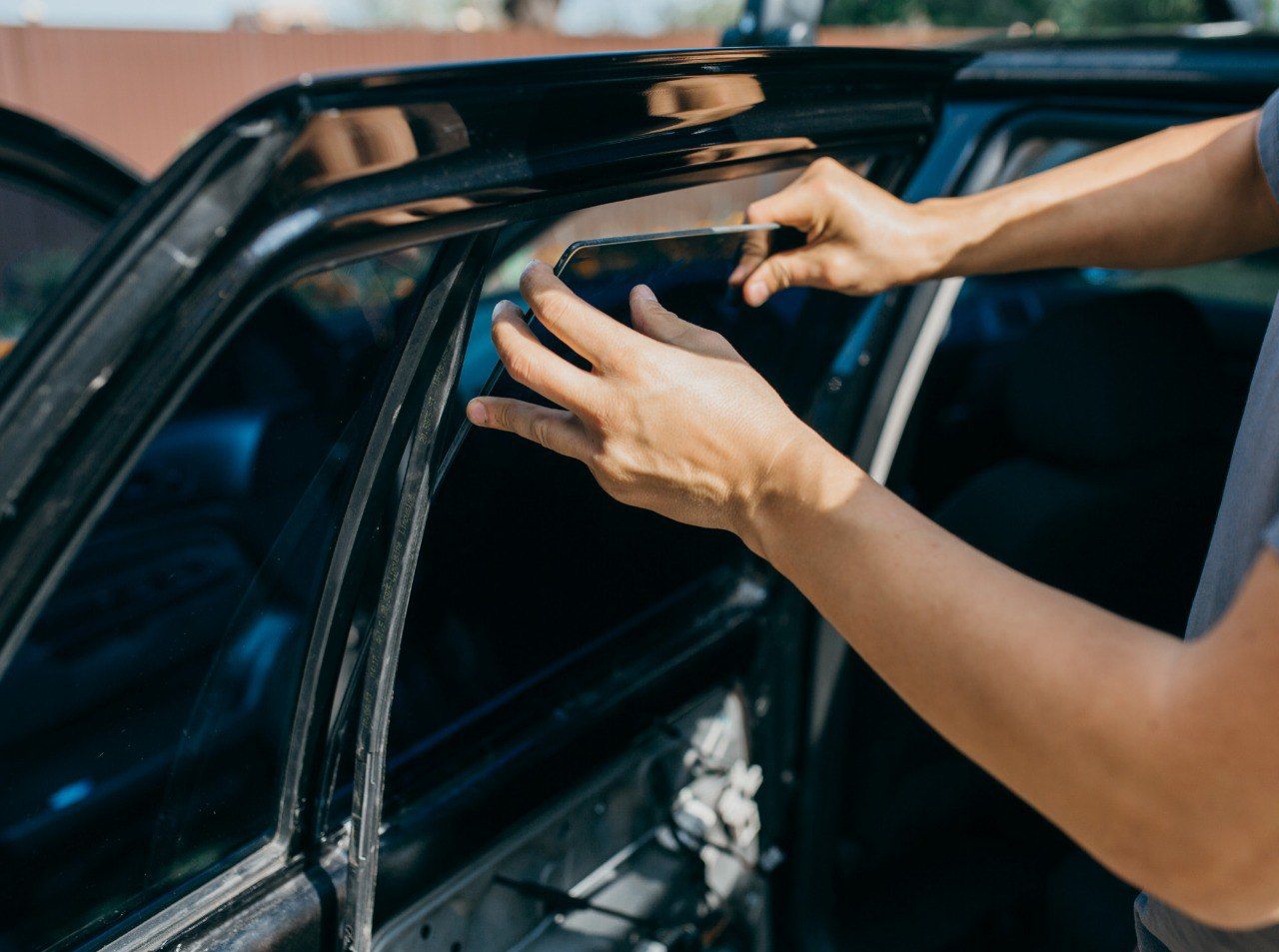
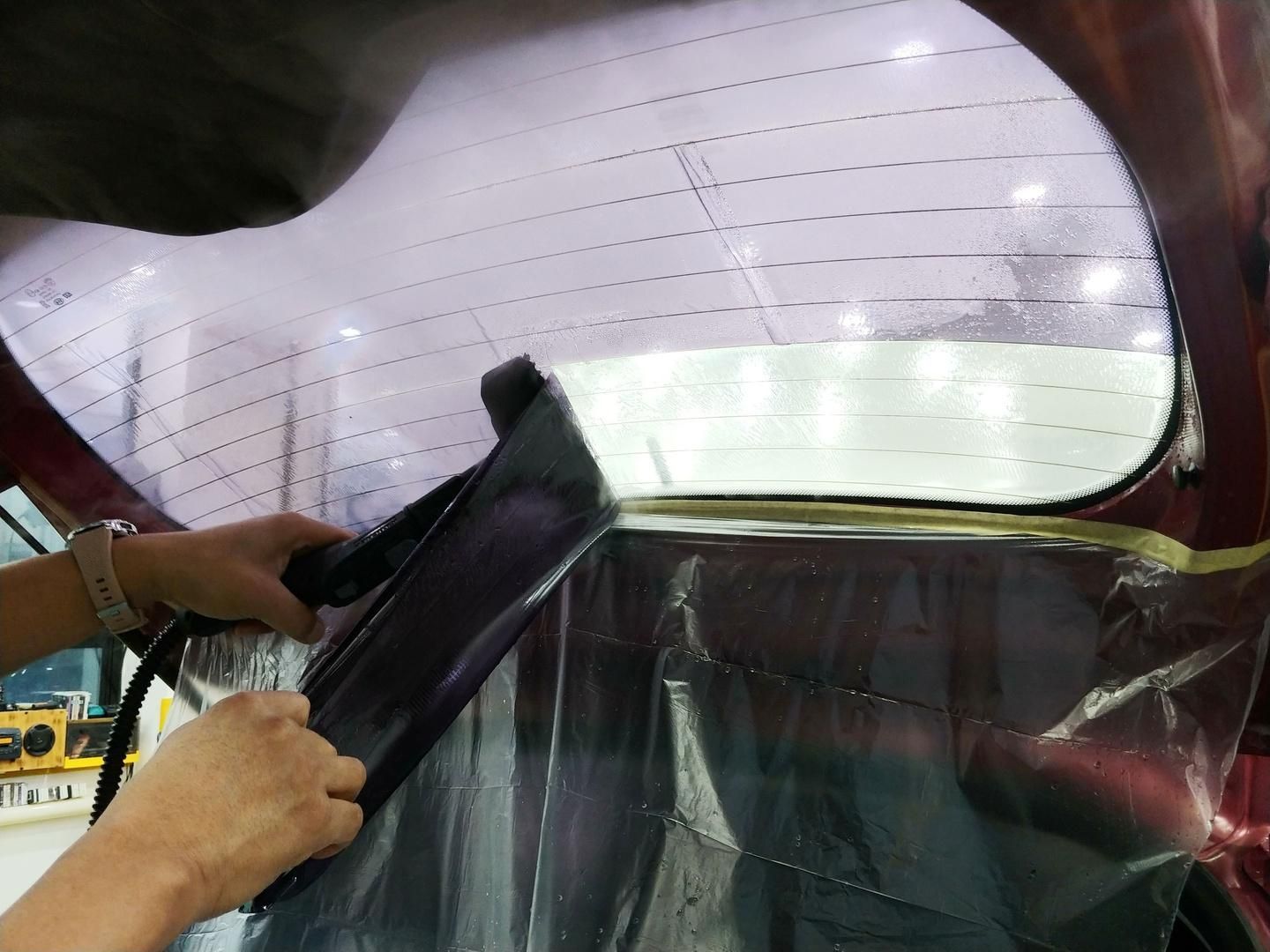
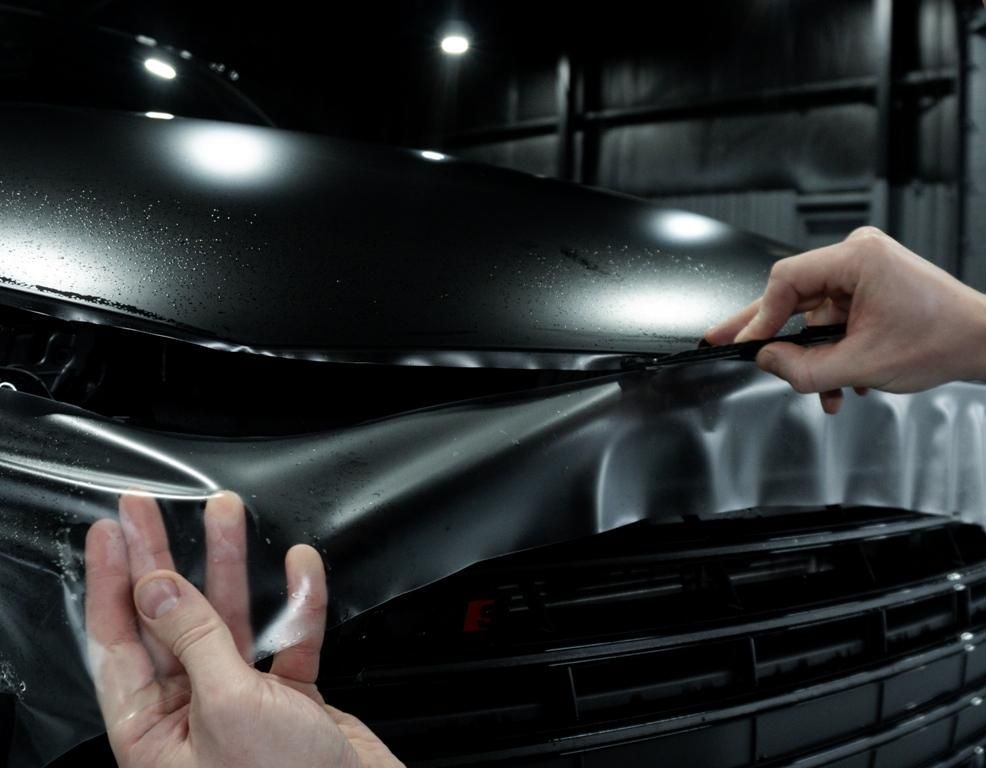
Window tinting in cars is the process of covering your car's windows in a film made of treated polyester laminate. The film is scratch-resistant and uses adhesive to stick to the already existing windows.
Most car window tints make your windows look darker, but there are options that are clear and do not change the appearance of your car's windows.
There are many reasons to tint your car windows, such as the reduction of heat and harmful UV rays, increased privacy, and improving the look of your car.
Car tint is calculated and considered in percentages. There is a wide range of percentages in car window tinting, and the window tint percentage refers to the amount of light that comes through the windows, also known as visible light transmission.
Therefore, lower tinting percentages mean darker windows.
For example, an 80% tint allows 80% of the light to pass through your car windows, while a 10% tint allows only 10% of light to pass through your car windows. Thus, a 10% tint is much darker than an 80% tint.
How Dark Should I Tint My Car Windows?
There are a few things to keep in mind when deciding how dark to tint your car windows and the best tint percentage for you.
- Florida's car window tinting laws
- The reason you want to tint your car windows
- The look of your car
Window Tinting Laws in Florida
Each state has its own laws concerning window tinting. The state of Florida was the twelfth state to enact a car window tint law in 1991.
In the state of Florida, the tint law varies between different windows on your car and between passenger and multi-purpose vehicles.
Passenger cars include vehicles like coupes, sedans, hatchbacks, and convertibles. Multi-purpose vehicles include vehicles like vans, pickup trucks, SUVs, and campers.
For passenger vehicles, the front windshield is allowed to have a non-reflective tint that is above the manufacturer's AS-1 line.
For the rear windows and the back seat side windows, you can have a 15% tint, which is the darkest tint percentage allowed on passenger vehicles in the state of Florida. The front seat side windows can have a tint of up to 28%.
For multi-purpose vehicles, the legal tint percentages are slightly different. For these vehicles, non-reflective tint is permitted up to four inches from the top of the windshield.
The front seat windows are allowed to have up to 88% tint if they were previously not tinted. If the vehicle is combining tint with factory tint, they are allowed up to 70% tint darkness.
The back seat side windows and rear windows are allowed to have any type of window tint darkness according to the state of Florida's laws.
Also, it is important to note that the state of Florida does not allow any type of colored window tint.
The darkest tint, 5% window tint, is only allowed under special circumstances like being medically exempt or in certain law enforcement units.
The Reason You Want to Tint Your Car Windows
Why you are choosing to tint the windows of your car makes a difference in the best tint percentage for you.
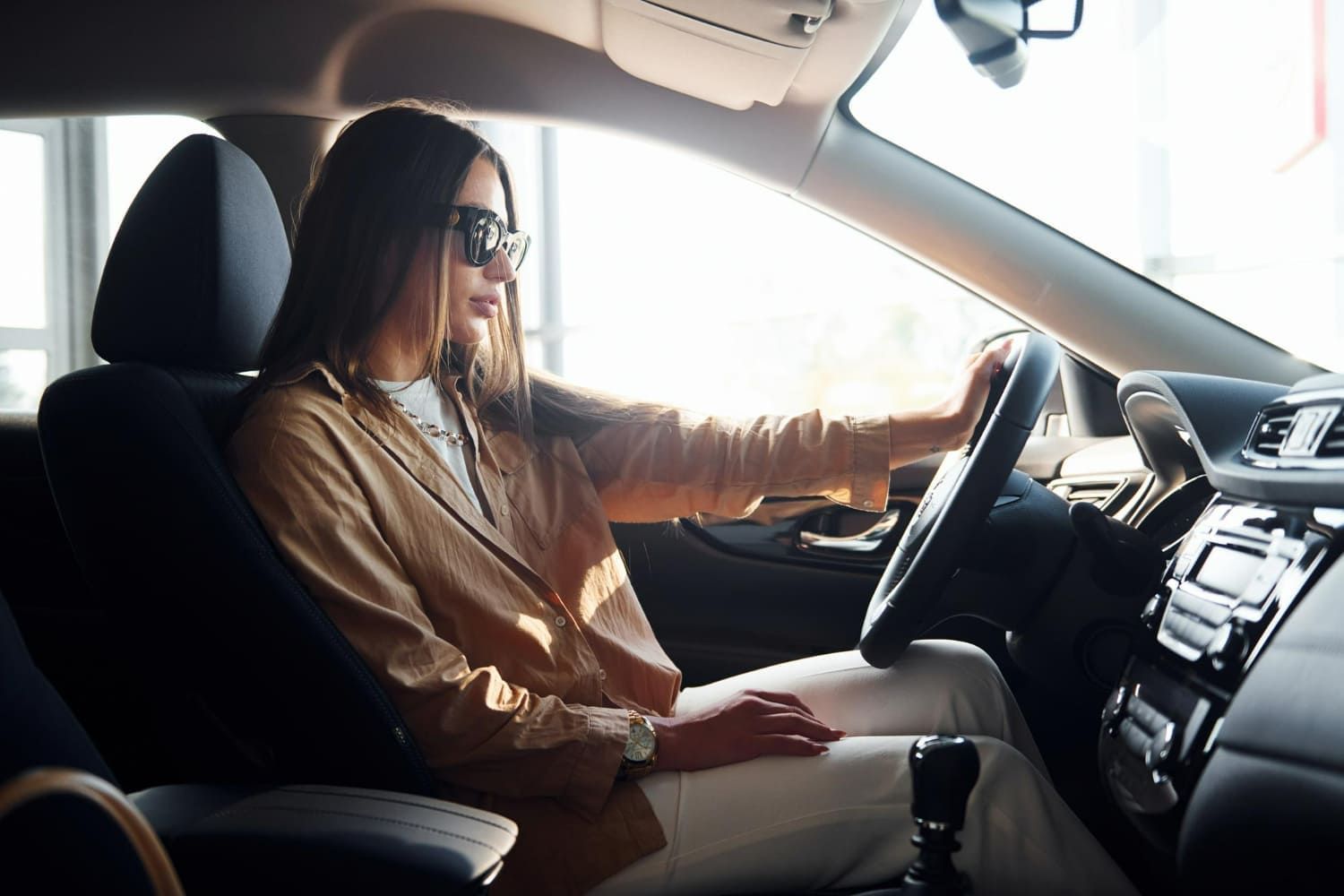
People also choose to tint their car windows to increase security and privacy. If you are considering increasing your privacy, you should consider going with a darker window tint like one at around 20%.
If you want to reduce glare and alleviate headaches that are a result of eye strain while driving, you should choose window tint percentages that block a significant amount of light without being completely dark.
If harmful UV rays are your main concern, higher window tint percentages can decrease the risk of UV light exposure and make the temperature of your car cooler when it sits in the sun without changing the look of your car.
A 50% tint blocks 50% of the light coming into your car, but 50% is still not a very dark tint.
What Do You Want Your Car's Aesthetic to Be?
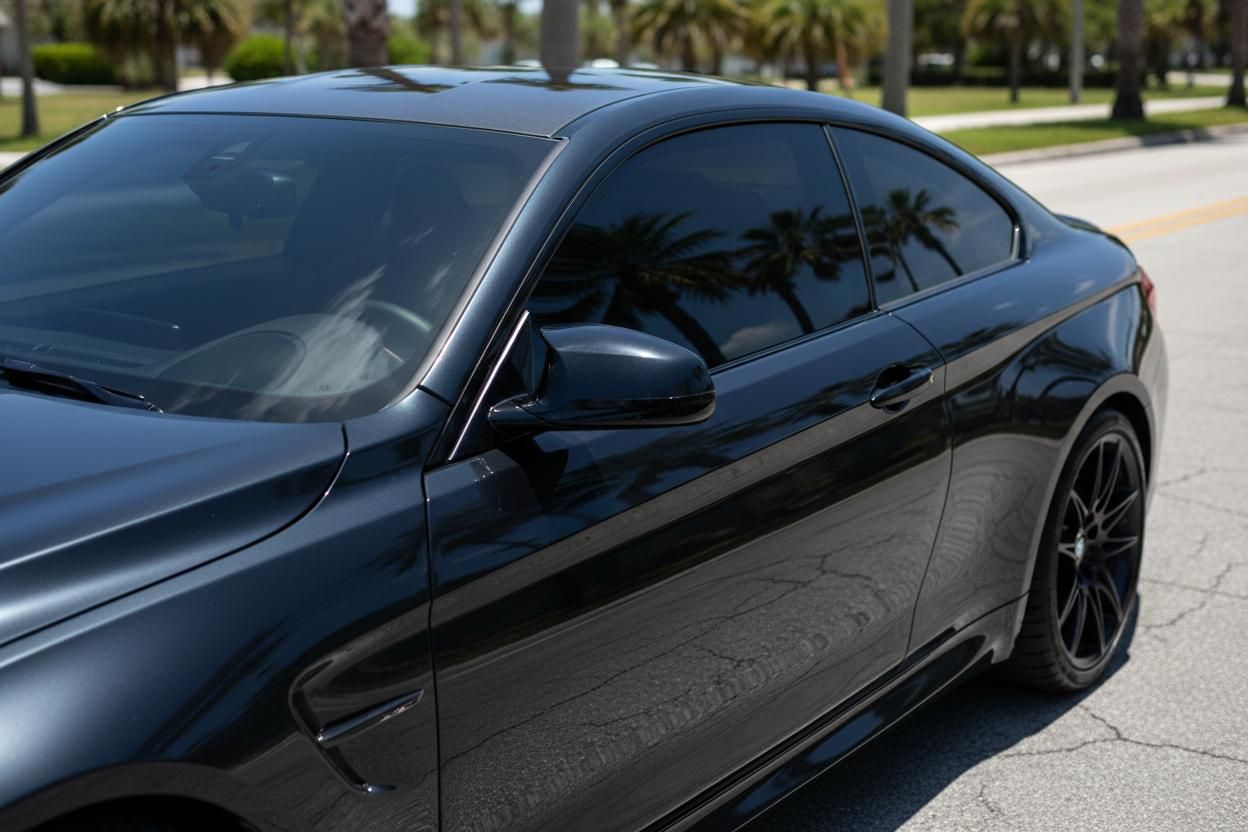
Unless you choose a car window tint with a high percentage, your window tint will change the look of your car. Darker window tints are often found on "cooler" looking cars like sports cars and limousines.
Many people who choose to tint their car's windows are looking to make their car look more luxurious, expensive, and classic.
They often go for darker tints, and the other benefits of car window tinting are just a perk. For these car aesthetics, a tint of 20-35% is common.
If you are content with how your car looks right now, you can still tint your windows. There are window tints available that give you the benefits of UV ray protection and interior cooling without darkening your windows.
Professional Car Window Tinting
Now that you know the answer to the original question, "How dark should I tint my car windows?" what is the next step?
Hiring a professional, premium window tinting service is the best way to tint your car windows. Do-it-yourself window tinting often ends in poor quality tinting.
When you use professionals like Window Kote of Largo, you have access to top-rate and exclusive products such as the high-quality film product line LLumar Film.
We also provide quality customer service and long-lasting results. Contact Window Kote of Largo today to get a free estimate for your car window tinting needs.