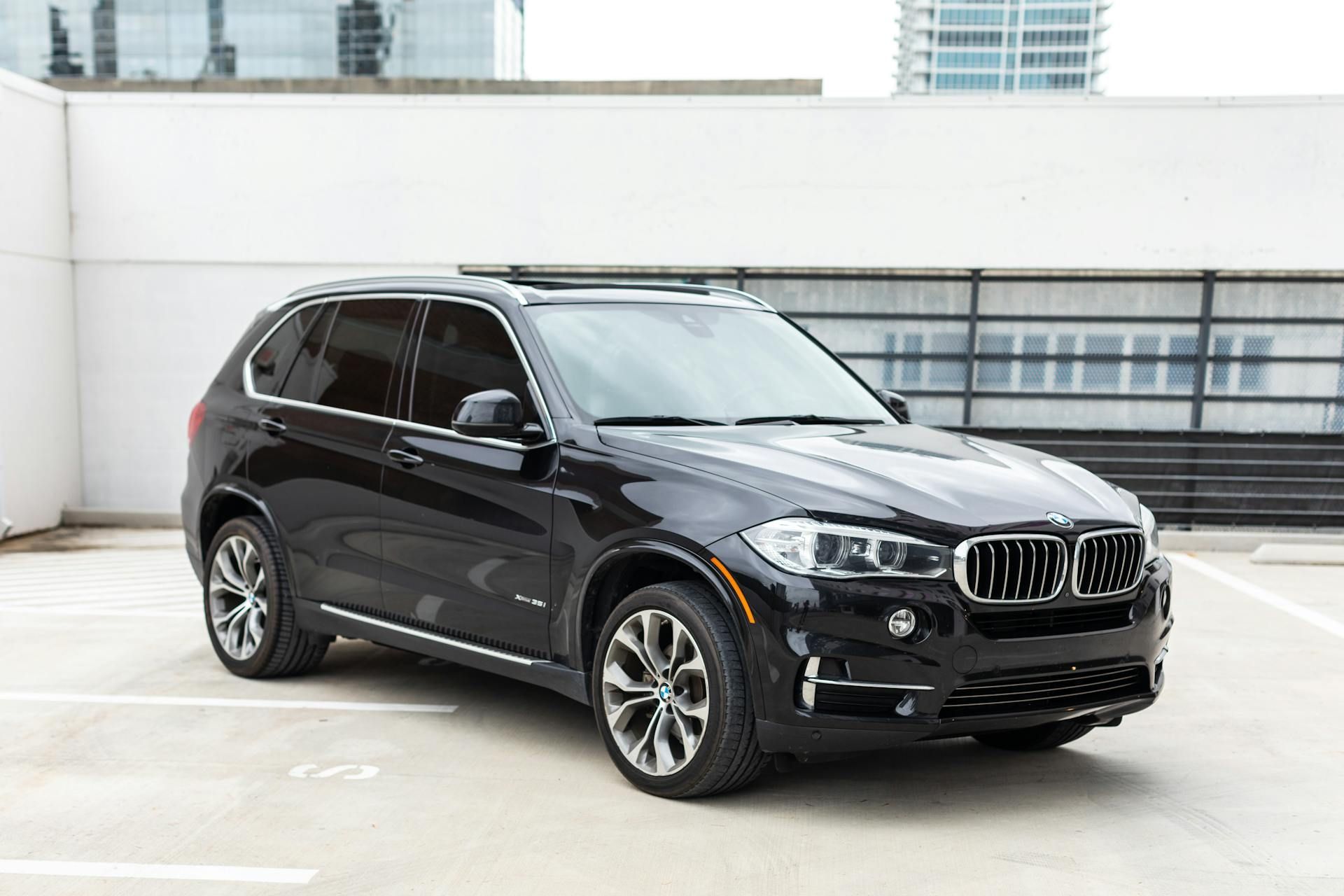


Florida Highway vs. City Miles: PPF Wear Map by Route Type and Protection
Florida Miles Are Tougher Than They Look
Florida driving appears straightforward on a map, but vehicle paint experiences a wide range of stress. Late-summer beach trips, back-to-school traffic, and long weekends on the road all expose a vehicle to heat, insects, sand, and sudden storms. Common routes around Largo, Clearwater, St. Petersburg, and Tampa place different types of wear on exterior surfaces.
Highway driving often exposes the front of the vehicle to high-speed debris. City traffic tends to concentrate wear on doors, bumpers, and rocker panels. Beach causeways expose lower panels and exterior trim to salt, sand, and intense sunlight. This article outlines a simple "PPF wear map" based on common driving environments in the area to help determine where
paint protection film (PPF) can be most effective.
Highway Exposure on I-275 and US-19
On I-275 and US-19, speeds are higher and traffic is often dense. Semi-trucks and general traffic can throw up loose road material, especially near construction zones or recently resurfaced stretches. Small bits of aggregate can gradually chip and pit clear coat over time.
On vehicles that frequently travel these highways, the same impact zones tend to show wear first:
- Front bumper and lower valance
- Leading edge of the hood
- Headlights and fog lights
- Mirror caps
- Front fender arches and the forward portion of rocker panels
Seasonal insect activity and heavy rain at highway speeds can add to this effect. Insects that remain on hot paint can contribute to staining or etching if not removed promptly. Road tar and debris also strike with more force at higher speeds, increasing the chances of chips, pitting, or stubborn contamination.
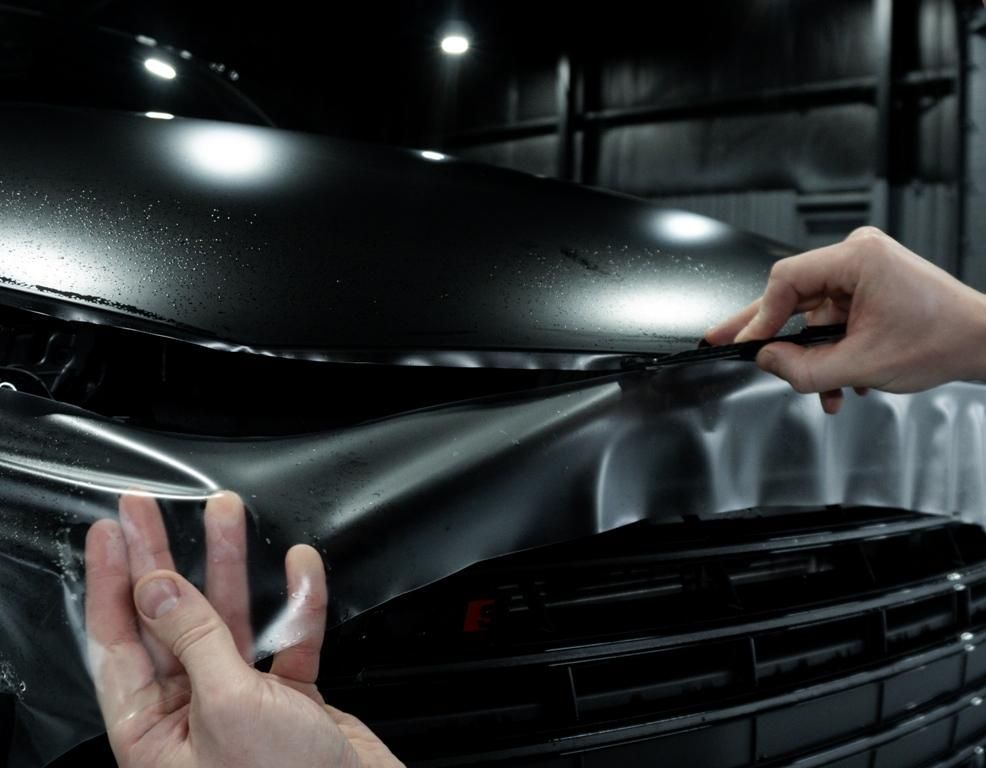
For vehicles that see significant time on I-275 or US-19, a focused front-end PPF package that covers the most exposed panels can:
- Absorb impact from rocks and sand instead of the paint
- Make insect residue removal easier before it affects the finish
- Help keep headlights clearer and newer-looking
- Reduce the speckled, worn appearance on the front of the vehicle
For highway-focused driving, protecting the full front end is typically where PPF provides the most noticeable benefit.
City Driving and Stop-and-Go Pinellas Traffic
City driving around Largo and the rest of Pinellas County presents different challenges. Roads such as Ulmerton Road, Gulf-to-Bay Boulevard, and dense neighborhood streets involve frequent braking, lane changes, tight parking, and close quarters.
Instead of primarily rock chips, city driving often leads to:
- Door dings in crowded parking lots
- Shopping cart scuffs on doors and rear bumper
- Scrapes on rocker panels from tight drive-throughs and curbs
- Scuffs on side mirrors from close maneuvers
There is also gradual cosmetic wear associated with a hot, humid climate. Slow-moving traffic and frequent outdoor parking can contribute to:
- Tree sap from parking under shade trees
- Sprinkler overspray that dries into mineral spots
- Bird droppings and pollen that may remain on paint for long periods
For city-oriented use, PPF placement often shifts away from only the front end. Common high-value coverage areas include:
- Door edges, to reduce chipping when doors contact other vehicles or walls
- The top of the rear bumper, where bags, strollers, and cargo slide in and out
- Rocker panels, to help with curb contact and debris from side streets
A quality ceramic coating on the remaining painted surfaces and glass can further assist with routine cleaning, helping contaminants release more easily and maintaining a fresher appearance over time.
Salt, Sand, and Sun on Beach Causeways
Routes such as the Clearwater Memorial Causeway and Belleair Causeway, along with other beach corridors, create another type of exposure. These drives are often associated with leisure, but they are also demanding on exterior finishes.
On or near the causeways, vehicles are frequently exposed to:
- Salt spray that can linger in the air, even on clear days
- Blowing sand that can abrade lower panels
- Intense, reflected UV light from water and light-colored sand
Salt-laden mist commonly affects the front bumper, hood, and lower grille. Sand tends to strike lower doors and rocker panels, particularly on windy days. Plastic trim and headlights may haze or fade more quickly due to the additional sun exposure.
During late summer and fall, stormy periods and tropical systems can push salty moisture farther inland. Roads may collect washed-out sand, small shells, and other debris that rub against paint and clear coat.
In these conditions, paint protection film can serve as a clear, sacrificial layer on:
- Front bumper, hood edge, and mirror caps to help against salt spray and sand
- Lower doors and rocker panels, where abrasive contact is strongest
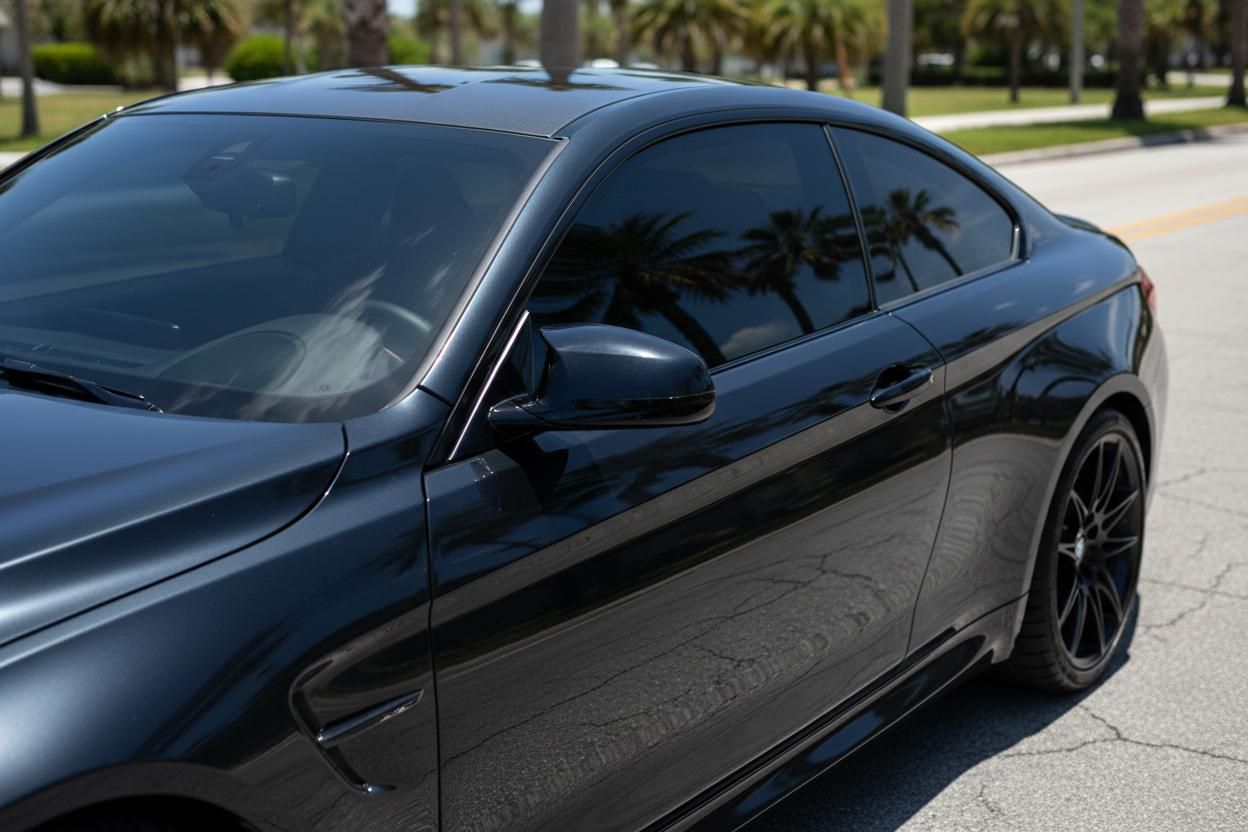
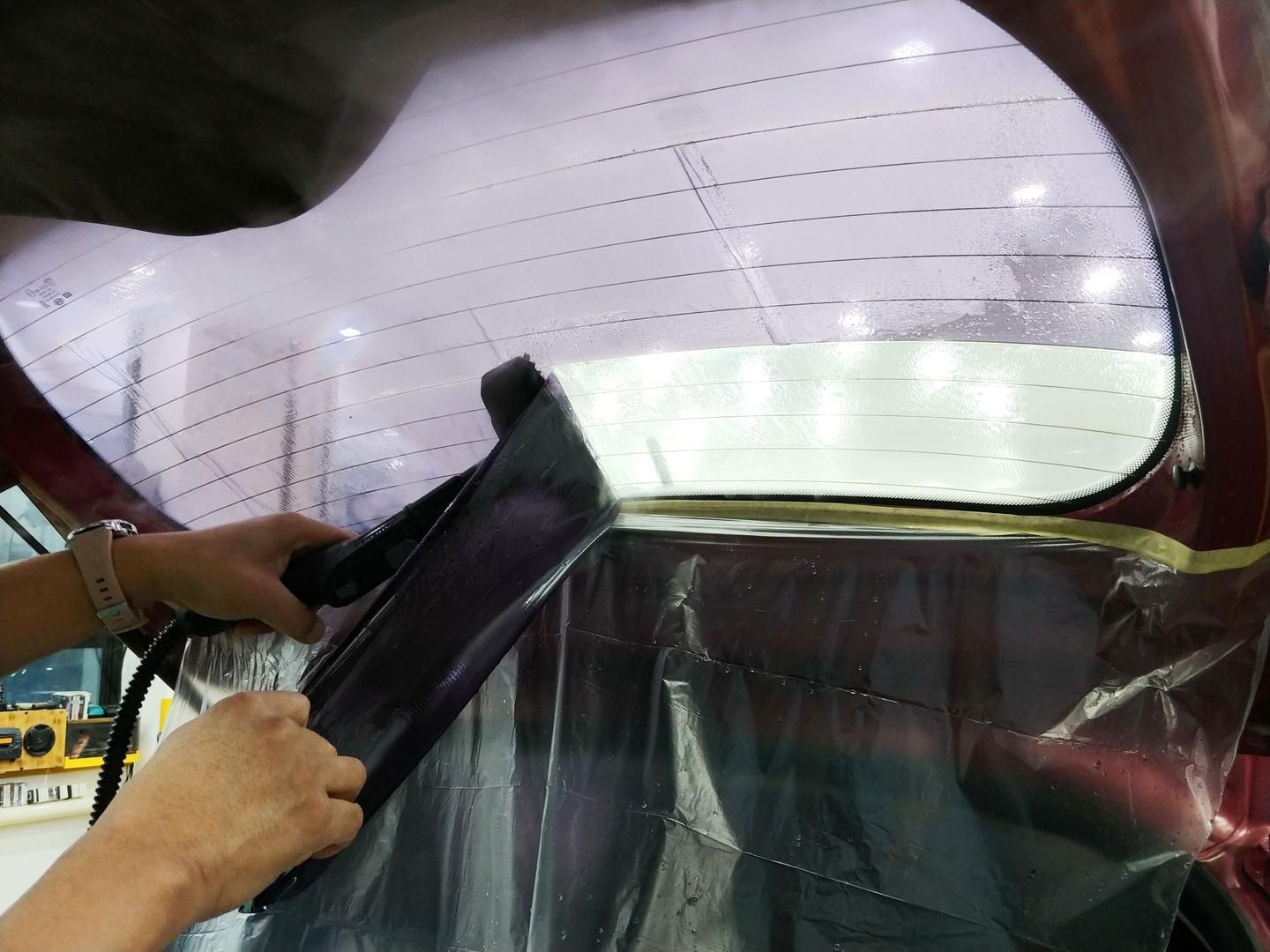
Quality window film can also be beneficial on beach routes by limiting interior UV exposure and heat buildup, which can help:
- Reduce fading of seats and dashboards
- Lower cabin temperatures
- Slow wear on interior surfaces that receive direct sunlight
Together, PPF and window tint address exterior and interior concerns: one focuses on sand, salt, and debris, while the other focuses on UV and heat.
Is Paint Protection Film Worth It?
Whether paint protection film is worthwhile depends on driving conditions, ownership plans, and expectations for long-term appearance. Around the Tampa Bay area, vehicles contend with sun, heat, highway debris, and coastal air throughout the year.
Instead of treating PPF as an all-or-nothing option, it can be helpful to align coverage with driving patterns:
- Highway commuters on I-275 or US-19: often benefit most from a full front package
- Weekend beach users: may see strong benefits from coverage on lower panels and primary impact zones
- Primarily local city drivers: frequently do well with targeted coverage on door edges, rear bumper tops, and rocker panels
- Rideshare or fleet vehicles: can gain value where frequent use, passengers, and luggage cause cosmetic wear
The return on investment varies based on coverage level. Protecting only the most vulnerable panels can keep a vehicle looking newer without the cost of a full-body wrap. For many drivers, focusing protection where damage is most likely offers a practical balance between appearance and expense.
Planning a Florida-Specific PPF Strategy
When exterior wear is viewed through a Florida-specific "PPF wear map," consistent patterns appear. Highway use tends to concentrate damage on the front of the vehicle. City use increases wear on sides and bumpers. Beach routes accelerate wear on lower panels while increasing overall exposure to salt and sun.
A practical starting point is to consider:
- Primary roads and routes: interstate/highway, beach causeways, or local streets
- Typical parking situations: open lots, garages, under trees, or near sprinklers
- Expected ownership period: short-term lease, moderate-term ownership, or long-term keeping of the vehicle
By aligning PPF and other protective options (such as ceramic coatings and window film) with these factors, coverage can be tailored to actual use rather than applied randomly. This approach helps concentrate investment where it will have the greatest effect on preserving the vehicle's appearance over time.
Protect Your Vehicle’s Finish With Confidence Today
If you are still asking yourself
Is paint protection film worth it?, we are here at
Window Kote of Largo to walk you through the real-world benefits for your car. We take the time to understand how you drive, where you park, and what level of protection fits your budget. Reach out so we can answer your questions,
provide an upfront estimate, and schedule a convenient installation. If you are ready to move forward, simply
contact us and we will help you get started.