
How Long Does Window Tint Last in Florida Heat and Sun?
Florida's year-round sun and heat break down window film faster than in most other states. Largo, Clearwater, Tampa, and the surrounding Pinellas and Hillsborough County area sit in one of the highest UV exposure zones in the continental United States, and that sustained solar load puts every film type under stress that a northern climate simply never creates. The honest answer to how long window tint lasts in Florida is: it depends on the film, the installation, and how well it is maintained afterward.
Dyed, metallic, and ceramic films all age very differently under Florida's daily UV exposure. A budget dyed film installed in Largo may begin showing color shift and bubbling within two years, while a professionally installed premium ceramic film on the same vehicle or home can perform like new for a decade or more. Film quality matters significantly. But so does installation quality. Even the best film fails early when applied incorrectly, regardless of how advanced the product is.
This guide gives Florida vehicle owners and homeowners a clear, honest look at what determines how long tint actually lasts, which warning signs to watch for, and how to get the most out of every installation.

Table of Contents
- Why Florida Sun and Heat Are Especially Hard on Window Tint
- Average Window Tint Lifespan by Film Type
- Early Warning Signs Your Tint Is Failing
- What Causes Tint to Fade, Bubble, or Turn Purple
- How Professional Installation Affects How Long Tint Lasts
- Auto Tint vs. Residential and Commercial Tint: Different Lifespans
- How to Extend the Life of Your Window Tint in Florida
- FAQ: Window Tint Lifespan in Florida
Why Florida Sun and Heat Are Especially Hard on Window Tint
Florida's geography creates a solar environment that is uniquely demanding for window film. The state's position at a low latitude means the sun stays high in the sky throughout the year, not just during summer months. In Largo and across Pinellas and Hillsborough County, vehicles and homes receive intense direct sun exposure for ten or more months annually with only modest seasonal variation. The UV index on a clear Florida afternoon frequently reaches levels that classify as very high or extreme, even in winter.
For window film, this means the product is doing meaningful work every single day, not just on hot summer afternoons. UV radiation degrades the dye compounds in lower-quality film progressively over each hour of exposure. Heat causes repeated thermal expansion and contraction that stresses the adhesive bond between the film and the glass. Humidity, which is consistently high in coastal Pinellas County, infiltrates any weakness in the film's edge seal and accelerates delamination once it starts.
The Cumulative Effect on Different Film Types
The same Florida sun that damages a dyed film in eighteen months may have no visible effect on a premium ceramic film in year six. This is not a minor performance gap. It reflects a fundamental difference in how the films are engineered to interact with UV radiation and thermal load. Dyed films absorb solar energy using pigment compounds that break down under sustained UV exposure. Ceramic films use nano-ceramic particles that are chemically stable under the same conditions and do not degrade in the same way.
Understanding this difference is the single most important factor in making a smart window tint decision for a Florida vehicle or home. Film that performs well in moderate climates may fail significantly faster in Largo's conditions. The best window film for Florida sun is one that was specifically designed to handle year-round, high-intensity UV exposure without breaking down.
Average Window Tint Lifespan by Film Type
The table below provides a realistic side-by-side comparison of the three primary film types and how they perform over time in Florida's climate. These estimates reflect real-world performance under Pinellas and Hillsborough County's year-round UV and heat conditions, not theoretical performance in moderate climates.
| Film Type | Average Lifespan in Florida Climate | Fade and Color-Shift Resistance | UV Rejection | Heat Rejection | Signal Interference (GPS, Bluetooth, Radio) | Relative Cost | Warranty Coverage |
|---|---|---|---|---|---|---|---|
| Dyed Film | 1 to 4 years before visible degradation | Poor: dyes break down under UV and shift to purple or brown within 1 to 3 years in Florida | Moderate: limited by dye degradation over time | Low: absorbs rather than blocks heat; re-radiates inward | None | Lowest upfront cost | Limited or no meaningful warranty in high-UV climates |
| Metallic Film | 5 to 8 years in Florida conditions | Good: metallic layers are more UV-stable than dye compounds | Good: typically 99 percent or near | Good: reflective layers reject visible and near-infrared radiation | Yes: metallic layers can disrupt GPS, Bluetooth, and satellite radio signals | Mid-range | Limited to lifetime depending on brand and installer |
| Ceramic Film (premium grade) | 8 to 15 years depending on application | Excellent: ceramic particles are chemically stable and do not fade or color-shift | Up to 99 percent UV rejection | Excellent: blocks significant near-infrared radiation without metallic content | None: no metallic content | Higher upfront investment | Lifetime warranty on premium products like LLumar FormulaOne and Vista |
For vehicle owners and homeowners in Largo, the cost of replacing dyed film one to three times over the same period a single ceramic installation remains functional typically exceeds the initial premium of the ceramic product. When energy savings, UV protection for interior materials, and the time and inconvenience of repeated replacement are factored in, the total value case for premium ceramic film is clear.
Early Warning Signs Your Tint Is Failing
Knowing what failing tint looks like helps you address problems before they become more disruptive or expensive. Here are the key signs to watch for on both vehicles and residential glass in Florida's climate.
Purple or Brown Color Shift
This is one of the most recognizable signs of a dyed film breaking down. The dark tint begins shifting to a reddish, brownish, or purple hue, typically starting at areas with the highest UV exposure such as the rear window and rear side glass. This color change is permanent and indicates that the film's dye compounds have degraded. Once this begins, the film is no longer performing at its rated UV rejection level, even if it still appears intact. Genuine premium ceramic film like LLumar FormulaOne does not purple, which is one of the most observable long-term advantages of choosing ceramic over dyed film for Florida applications.
Bubbling Under the Film Surface
Small bubbles forming between the film and the glass indicate adhesive failure. On brand-new installations, minor temporary bubbling during the first few days is normal as the film cures and moisture works out from under the adhesive. Bubbles that develop after the curing period or that continue to grow are a sign of a real problem: either UV degradation of the adhesive layer, moisture infiltration at a compromised edge, or contamination that was trapped under the film during installation.
Edge Lifting and Peeling
Film that begins separating from the glass at corners or along window edges is losing its adhesive bond. In Florida's climate, once this starts it typically accelerates quickly because heat and coastal humidity penetrate the exposed gap and progressively weaken the remaining adhesion. Edge lifting left unaddressed usually results in full film delamination within months rather than years, particularly in the intense UV environment of Pinellas County.
Surface Hazing or Scratching
A cloudy or hazy appearance on the film surface that does not clean off indicates either age-related adhesive clouding or chemical damage from cleaning products used on the glass after installation. Visible scratches on the film's surface cannot be repaired and reduce optical clarity permanently. Both of these conditions signal that the film is approaching or has reached the end of its functional life.
Noticeable Increase in Heat or Glare
If your car or home feels noticeably hotter near the glass than it used to, or if glare seems worse despite having tint installed, the film's solar control properties may have degraded. This is harder to detect without measurement equipment, but it is a real performance failure that means the film is no longer delivering what it was installed to provide.
What Causes Tint to Fade, Bubble, or Turn Purple
Understanding the root causes of tint failure helps you make smarter choices before installation and avoid habits that shorten film life afterward.
UV Degradation of Dye Compounds
Dyed window film uses color-absorbing pigment to darken the glass. Those pigments are organic compounds that break down under sustained UV exposure. In Florida's high-UV environment, this process happens faster than in most other states. The result is the color shift, fading, and purpling that make old dyed tint immediately recognizable. This is not a defect in any particular product. It is the natural consequence of how dyed film technology functions under heavy UV load. Metallic and ceramic films are not subject to the same degradation because they do not rely on dye compounds to block solar energy.
Adhesive Failure from Heat and Ammonia
The adhesive that bonds film to glass can break down from two primary causes in Florida conditions. The first is repeated thermal cycling: the extreme heat buildup inside a parked vehicle or behind south-facing residential glass, followed by rapid cooling from air conditioning, stresses the adhesive bond over time. The second is ammonia-based cleaning products. Many standard household glass cleaners contain ammonia, which breaks down the film's adhesive layer over repeated applications. This is one of the most common causes of premature bubbling and edge lifting in film that was otherwise well installed.
Poor Installation Technique
A significant portion of early tint failures are installation failures, not film failures. Inadequate surface cleaning before application leaves contamination under the film that creates weak points in the adhesive bond. Improper edge cutting and sealing leaves entry points for moisture. Insufficient cure time before the glass is exposed to direct sun or rolled down on vehicle windows accelerates early failure. These are not outcomes that better film can prevent. They are outcomes that only better installation avoids.
Low-Quality Film with Inaccurate Specifications
Budget films marketed as ceramic or carbon-ceramic often incorporate only trace amounts of ceramic particles alongside lower-grade base materials. These hybrid products do not perform at the same level as genuine engineered ceramic films, and the difference becomes visible in Florida's climate within a few years. When evaluating a film's durability claims, looking for products from established manufacturers with independent performance ratings and documented warranty coverage gives you the most reliable basis for comparison.
How Professional Installation Affects How Long Tint Lasts
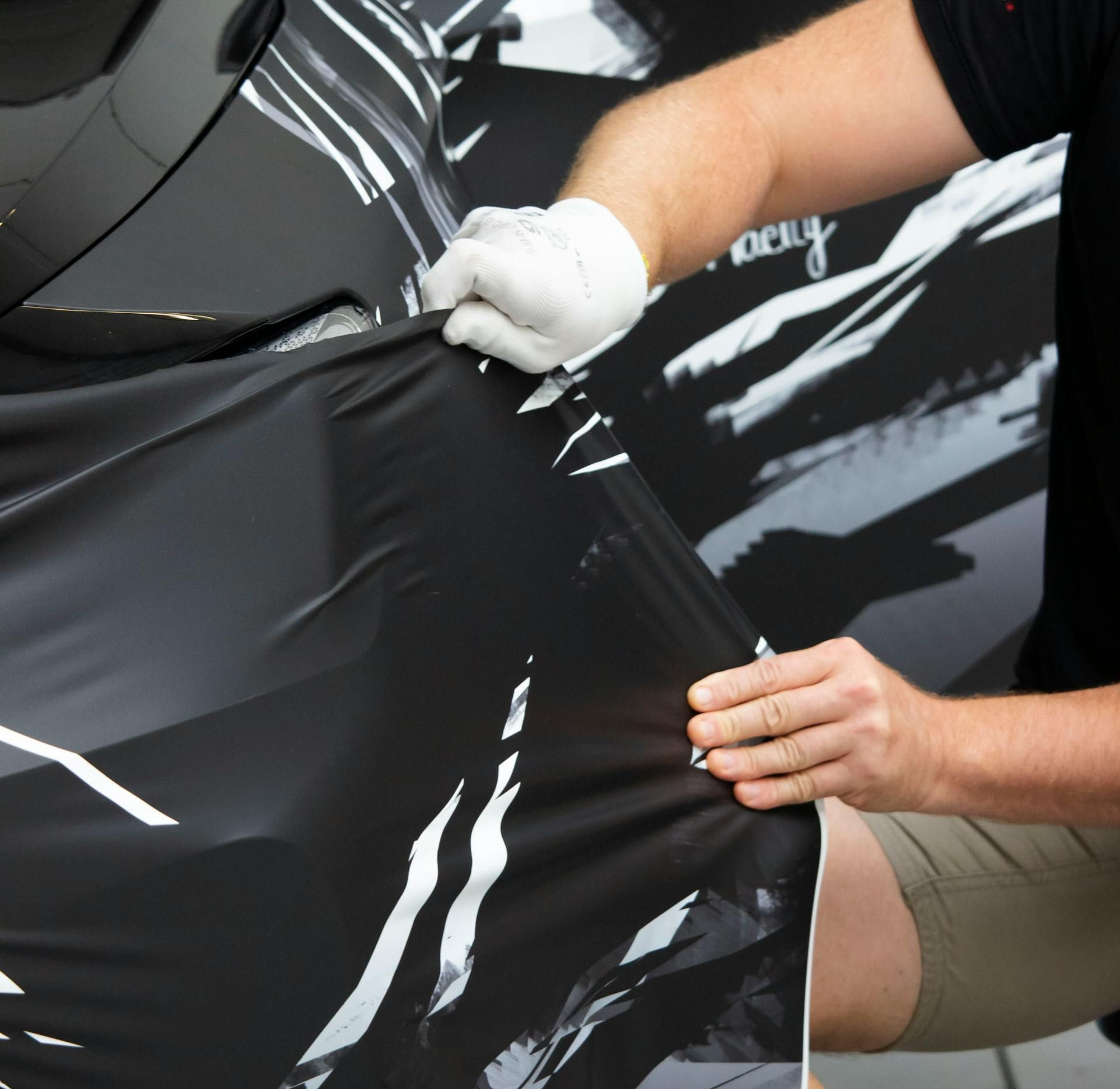
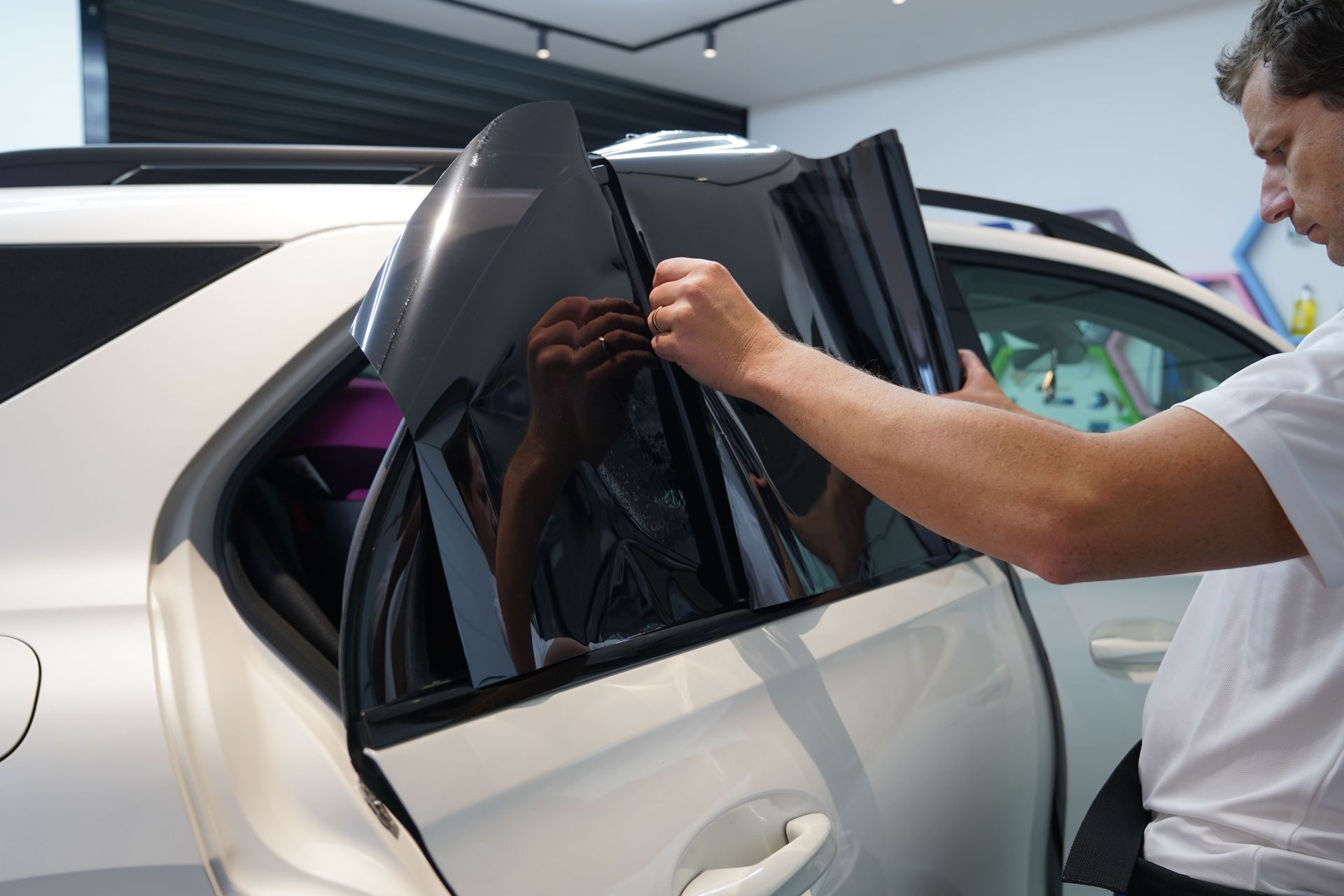
Professional installation is not just about getting a cleaner-looking result on the day of installation. It is directly connected to how many years the film continues to perform without failure. The majority of early tint problems, including bubbling within the first year, edge lifting within the first two years, and delamination that begins at installation-related weak points, are outcomes of how the film was installed rather than the film itself.
Surface Preparation
A trained window film installer cleans the glass thoroughly before application to remove oils, residue, adhesive remnants from previous film, and microscopic debris that would otherwise be trapped under the new film. Contamination creates gaps in the adhesive bond that expand over time, particularly under Florida's thermal cycling conditions. No amount of film quality compensates for a contaminated application surface.
Precision Edge Work
Film cut to precise dimensions and sealed properly at all edges leaves no entry points for moisture, heat, or dust to compromise the adhesion. Incorrectly cut or inadequately sealed edges are the starting point for most film failures in humid coastal climates like Pinellas County. Professional installers use precision cutting tools and techniques that are not achievable with consumer-grade DIY kits, and the difference in edge quality directly translates to a longer functional lifespan.
Cure Time Management
Window film requires adequate cure time after installation before the glass is rolled down on a vehicle, exposed to rain, or cleaned. In Florida's humidity, the adhesive cure process may take slightly longer than in drier climates. A professional installer will advise you on the appropriate cure window for the conditions and ensure the film is fully bonded before it faces mechanical or environmental stress. Rushing the cure process is one of the most common errors in DIY and low-quality professional installations, and it directly shortens the film's effective lifespan.
Warranty Activation
Manufacturer lifetime warranties on premium films like LLumar FormulaOne and Vista require professional installation by an authorized dealer to be valid. Window Kote of Largo installs both products as an authorized dealer, which activates the full manufacturer warranty at the time of every installation. A DIY installation or installation by an unauthorized shop may void warranty coverage entirely, leaving you without protection if premature failure occurs.
Auto Tint vs. Residential and Commercial Tint: Different Lifespans
Vehicle glass and architectural glass present different performance environments for window film, which is why lifespan expectations differ by application even when using the same quality film product.
Why Auto Tint Has a Shorter Expected Lifespan
Automotive film is subjected to mechanical stresses that residential film never faces. Door open-and-close cycles repeatedly flex the film and compress it against door seals. Car washes expose the glass edges to high-pressure water and cleaning chemicals. Temperature extremes inside a parked car in Florida heat create more severe thermal cycling than a residential window ever experiences. For these reasons, even premium automotive ceramic film typically carries a realistic lifespan of 8 to 12 years in Florida conditions, compared to 10 to 15 years for the same quality product on residential glass.
Residential and Commercial Film: More Stable Environment
Residential and commercial window film, once installed, is largely stationary and protected from mechanical stress. The primary stressors are UV exposure, thermal cycling from sun and air conditioning, and cleaning practices. In Largo and across Hillsborough County, south and west-facing residential windows receive the most sustained UV load and should be treated as the highest priority for premium film. Commercial storefronts and office glass in Southwest Florida face similar sustained solar exposure but at a larger scale, which makes film durability especially important for managing ongoing energy costs.
Lifespan by Application in Florida's Climate
| Application Type | Typical Premium Ceramic Film Lifespan (Florida) | Primary Lifespan Factors | Key Florida-Specific Notes |
|---|---|---|---|
| Automotive glass (daily driver) | 8 to 12 years | Door cycles, car wash frequency, parking exposure, interior heat buildup | Rear window and rear side glass see highest UV load in Florida; lifetime warranty on LLumar FormulaOne covers premature failure when professionally installed |
| Residential windows (home) | 10 to 15 years | Window orientation, direct sun hours, cleaning products, glass condition at installation | South and west-facing windows in Pinellas County receive peak afternoon solar load; LLumar Vista film suited for residential flat glass applications |
| Commercial or office glass | 10 to 20 years | Glass thickness, HVAC proximity, cleaning schedule, framing quality | Large-pane commercial glass in Florida's coastal humidity benefits significantly from proper edge sealing; energy ROI on premium film often shorter than expected |
For vehicle owners and homeowners across Largo, Clearwater, St. Petersburg, and Tampa, choosing a film with a documented lifetime warranty and having it installed by an authorized professional dealer is the most reliable path to reaching the upper end of these lifespan ranges.
How to Extend the Life of Your Window Tint in Florida
Premium film and professional installation set the foundation for a long-lasting tint job. A few consistent habits after installation help protect that investment through Florida's demanding conditions.
Respect the Initial Cure Period
After any new window film installation, wait at least three to five days before cleaning the glass with any product, and longer if the weather has been particularly humid or rainy. In Florida's coastal climate, humidity can slow the adhesive cure process, and applying cleaning products or mechanical pressure to the film before it is fully bonded is one of the most common causes of early edge lifting. For automotive installations, do not roll down the windows for at least three days after the tint is applied.
Switch to Ammonia-Free Cleaners Permanently
From the day your tint is installed, switch permanently to ammonia-free glass cleaners for every window that has been tinted. This applies to both vehicles and home windows. Products formulated for tinted glass, or a simple solution of mild dish soap and water applied with a soft microfiber cloth, are safe and effective. Avoid newspaper, paper towels, or rough cloths that can scratch the film surface over time.
Reduce Thermal Stress on Vehicle Glass
For vehicle owners in Largo and Pinellas County, parking in covered or shaded areas whenever possible reduces the cumulative thermal load on both the film and the vehicle interior. A windshield sunshade placed across the dashboard when parked in direct sun reduces the interior temperature differential that the film's adhesive experiences, which meaningfully extends adhesive life over years of use.
Inspect Film Annually
A brief visual inspection of all tinted glass once per year, checking for early signs of edge lifting, bubbling, or optical changes, allows you to catch developing problems while they are still minor. Many issues addressed early can be repaired or monitored before they require full film replacement. Window Kote of Largo can assess any areas of concern and advise on whether a repair or early replacement makes more sense given the film's current condition and age.
Address Damage Promptly
Scratches, tears, or sections of film that begin separating from the glass should be addressed quickly. Damage left unrepaired in Florida's humid coastal climate spreads faster than it would in a drier environment. Heat and humidity accelerate adhesive failure and edge separation once the film's protective barrier is compromised. A small repair performed early almost always costs less than a full replacement later.
FAQ: Window Tint Lifespan in Florida
How many years does window tint typically last in Florida?
It depends on the film type and installation quality. Dyed film in Florida's UV environment typically lasts one to four years before showing visible fading, purpling, or bubbling. Metallic film averages five to eight years in Florida conditions. Premium ceramic film, when professionally installed, typically lasts 8 to 12 years on vehicle glass and 10 to 15 years on residential windows in Pinellas and Hillsborough County's climate. These ranges assume proper maintenance and the use of ammonia-free cleaning products.
Why does some window tint turn purple or brown over time?
Purple or brown color shift is the visual signature of dyed window film breaking down under UV exposure. Dyed film uses organic pigment compounds to darken the glass, and those compounds are not chemically stable under sustained UV load. In Florida's intense sun, this degradation process happens faster than in most other states, often becoming visible within one to two years. This is not a defect in any specific product. It is an inherent limitation of how dyed film technology works. Premium ceramic film like LLumar FormulaOne does not contain dye compounds and does not purple or shift color over its lifespan.
What causes bubbling or peeling in window film?
Bubbling and peeling are most commonly caused by adhesive failure, which can result from UV degradation of the adhesive layer, moisture infiltration through compromised edge seals, contamination trapped under the film during installation, or the effects of ammonia-based cleaning products applied to the tinted glass after installation. On new installations, small temporary bubbles during the first three to five days are normal as the film cures. Bubbles that appear after that period or continue to grow indicate a problem that should be evaluated by a professional installer.
Does ceramic tint last longer than dyed or metallic tint?
Yes, consistently and significantly in Florida's climate. Ceramic film's longevity advantage comes from its construction: nano-ceramic particles that are chemically stable under prolonged UV exposure, without the dye compounds that fade and without the metallic layers that can corrode or delaminate. For Florida vehicle owners and homeowners who want to install tint once and have it perform well for a decade, premium ceramic film is the strongest choice. The upfront cost premium over dyed film is typically recovered within the first replacement cycle that a dyed film would require.
Does professional installation affect how long tint lasts?
Yes, directly and significantly. The majority of premature tint failures, including bubbling within the first year, edge lifting within the first two years, and progressive delamination from installation-related weak points, are caused by installation errors rather than film defects. Proper surface preparation, precision cutting and edge sealing, appropriate cure time, and correct adhesive application all determine how well the film bonds to the glass and how long that bond remains intact under Florida's thermal cycling and humidity. Professional installation by an authorized dealer also activates the manufacturer lifetime warranty, which protects your investment if premature failure occurs.
How do I know if my window tint needs to be replaced?
The clearest signs that tint is reaching the end of its functional life include visible bubbling under the film surface after the initial cure period, purple or brown color shift, edge lifting or peeling at corners, surface hazing that does not clean off, visible scratching, and a noticeable increase in heat or glare through the glass compared to when the film was new. If you notice any of these signs, a professional inspection can determine whether repair or full replacement is the most cost-effective next step.
Does a warranty cover premature tint failure?
Yes, when the film is installed by an authorized professional dealer and the warranty is properly activated. LLumar FormulaOne and Vista films carry lifetime warranties when installed by authorized installers like Window Kote of Largo. These warranties cover premature failure resulting from film defects, including bubbling, peeling, color change, and adhesive failure. Warranty coverage does not apply to DIY installations, installations by unauthorized dealers, or damage caused by external factors such as physical scratching or chemical damage from ammonia-based cleaning products.
How does residential and commercial tint lifespan compare to auto tint?
Residential and commercial film typically outlasts automotive film by a few years because it is not subjected to the mechanical stresses that vehicle glass experiences, including door cycles, car wash pressure, and extreme interior temperature swings from a closed parked car. Premium ceramic film on residential windows in Pinellas County can realistically last 10 to 15 years with proper maintenance, while the same quality film on vehicle glass typically reaches 8 to 12 years. Commercial glass, depending on the installation quality and cleaning schedule, can see ceramic film lifespan in the 10 to 20 year range.
Is paying more for quality tint worth it in Florida?
For Florida vehicle owners and homeowners, yes, in almost every case when you evaluate total cost over time rather than just upfront cost. Dyed film installed in Largo may need to be replaced every two to three years, with each replacement cycle including both the new film cost and the labor cost of removing the old film. Over a ten-year period, the cumulative cost of those replacement cycles typically exceeds what a single premium ceramic installation would have cost. Beyond cost, premium film also delivers better heat rejection, stronger UV protection for interior materials, and no color shift throughout its lifespan.
How do I properly maintain window tint to maximize its lifespan?
The most important maintenance practices are: waiting the full cure period after installation before cleaning or rolling down windows, using only ammonia-free glass cleaners and soft microfiber cloths for all tinted surfaces, parking in shade or using a windshield sunshade when possible to reduce thermal stress on vehicle film, doing an annual visual inspection for early signs of edge lifting or bubbling, and addressing any damage promptly before it spreads. These habits are straightforward but make a real difference in how long film performs under Florida's demanding UV and humidity conditions.
Film Quality and Installation Determine Everything in Florida
In Florida's climate, the question of how long window tint lasts is ultimately a question of what film was chosen and who installed it. The right answers on both fronts determine whether your tint is still performing cleanly in year ten or showing signs of failure in year two.
Premium ceramic film outperforms dyed and metallic alternatives in Florida's sun because its technology is chemically suited to sustained UV exposure. It does not fade, does not purple, and does not rely on components that break down under the solar load that Largo and Pinellas County experience every day of the year. LLumar FormulaOne ceramic film for vehicles and LLumar Vista film for residential and commercial applications represent that performance standard, with lifetime warranty coverage that backs the product through its full lifespan when installed by an authorized professional.
But the film is only as good as the installation behind it. A lifetime warranty, long-term color stability, and heat rejection that holds up year after year only materialize when the film is applied to properly prepared glass, cut and sealed with precision, and allowed to cure fully before being put to work. Window Kote of Largo delivers that standard on every installation as an authorized LLumar dealer.
Contact Window Kote of Largo today for a free estimate and consultation. Whether you are protecting your vehicle, your home, or your business, our team will match you with the right LLumar FormulaOne or Vista film for your application and install it to the standard that keeps it performing, and looking right, for years to come.