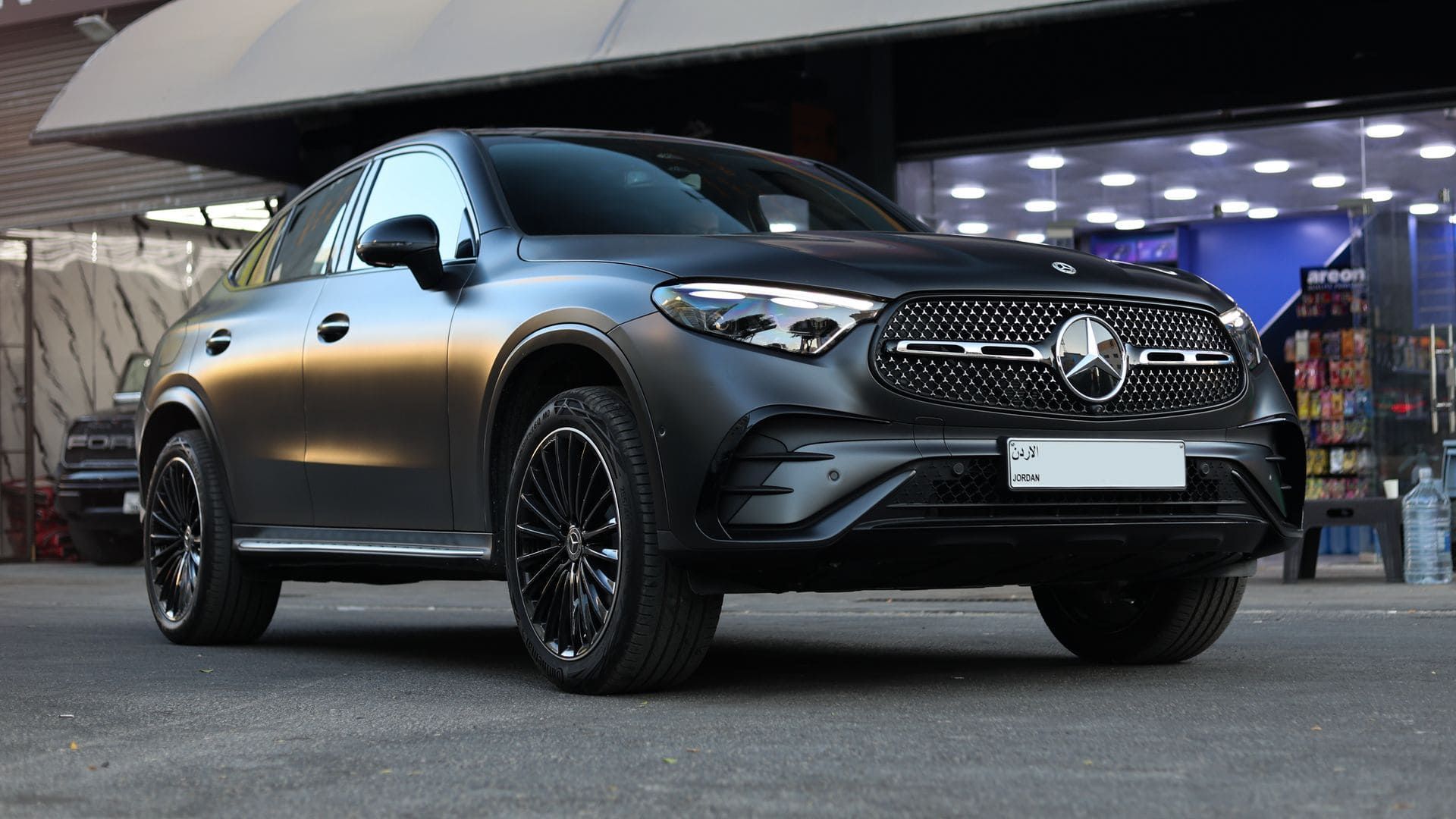


PPF vs. Ceramic Coating for Florida Luxury Cars Explained
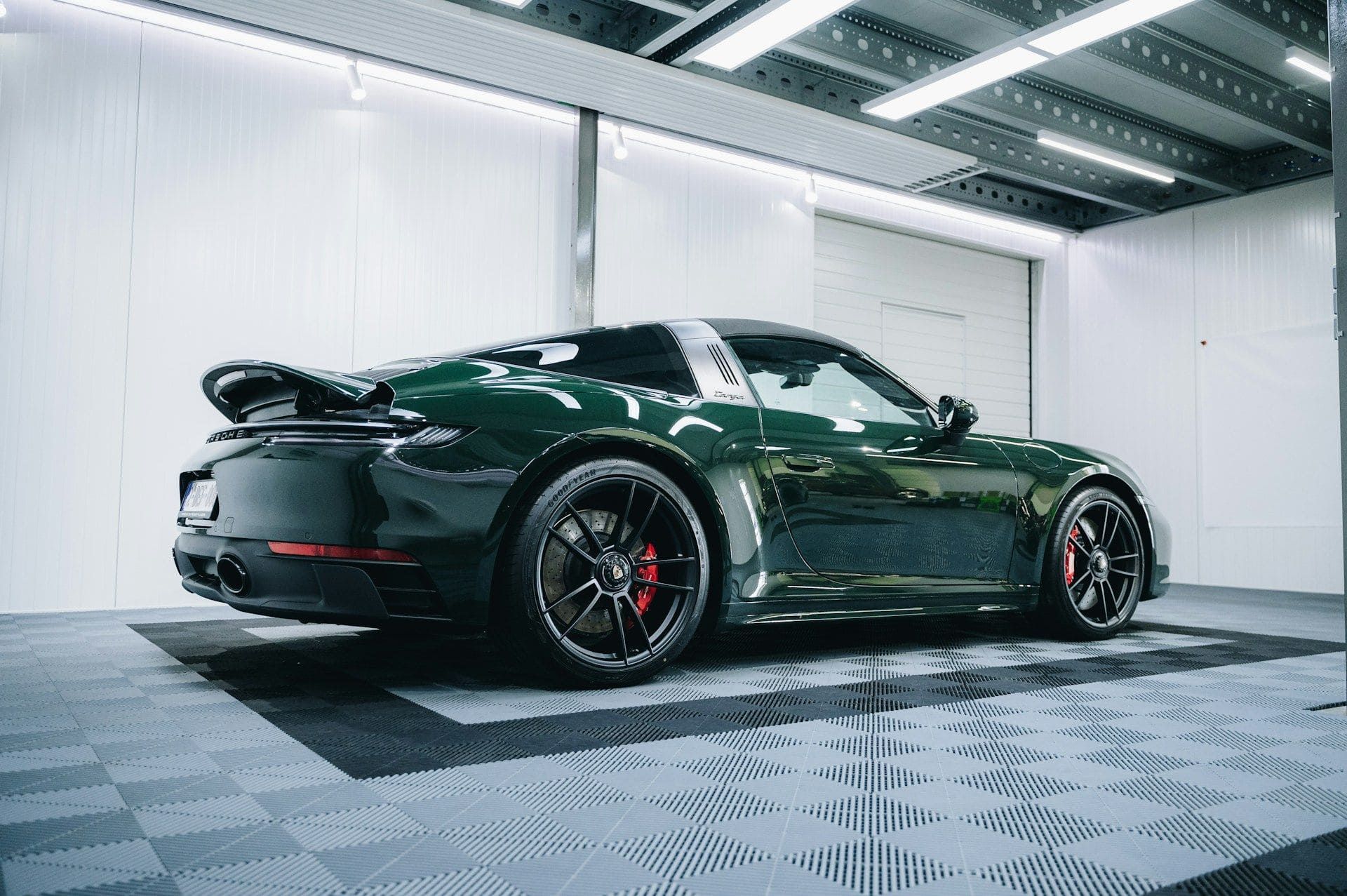
Owning a luxury car in Florida is a serious commitment. The sun, salt, and constant driving can wear down even the nicest paint if it is not protected the right way. That is why so many drivers start asking about PPF vs. ceramic coating once they see the first rock chip or faded spot on their car.
In this guide, we break down what each option actually does for your paint, how they behave in our local climate, and why many Florida owners use both together. If you drive a high-end vehicle around Largo, Clearwater, or across Pinellas County, this will help you decide what level of protection makes the most sense for you.
Protecting Florida Luxury Cars From Sun, Sand, and Salt
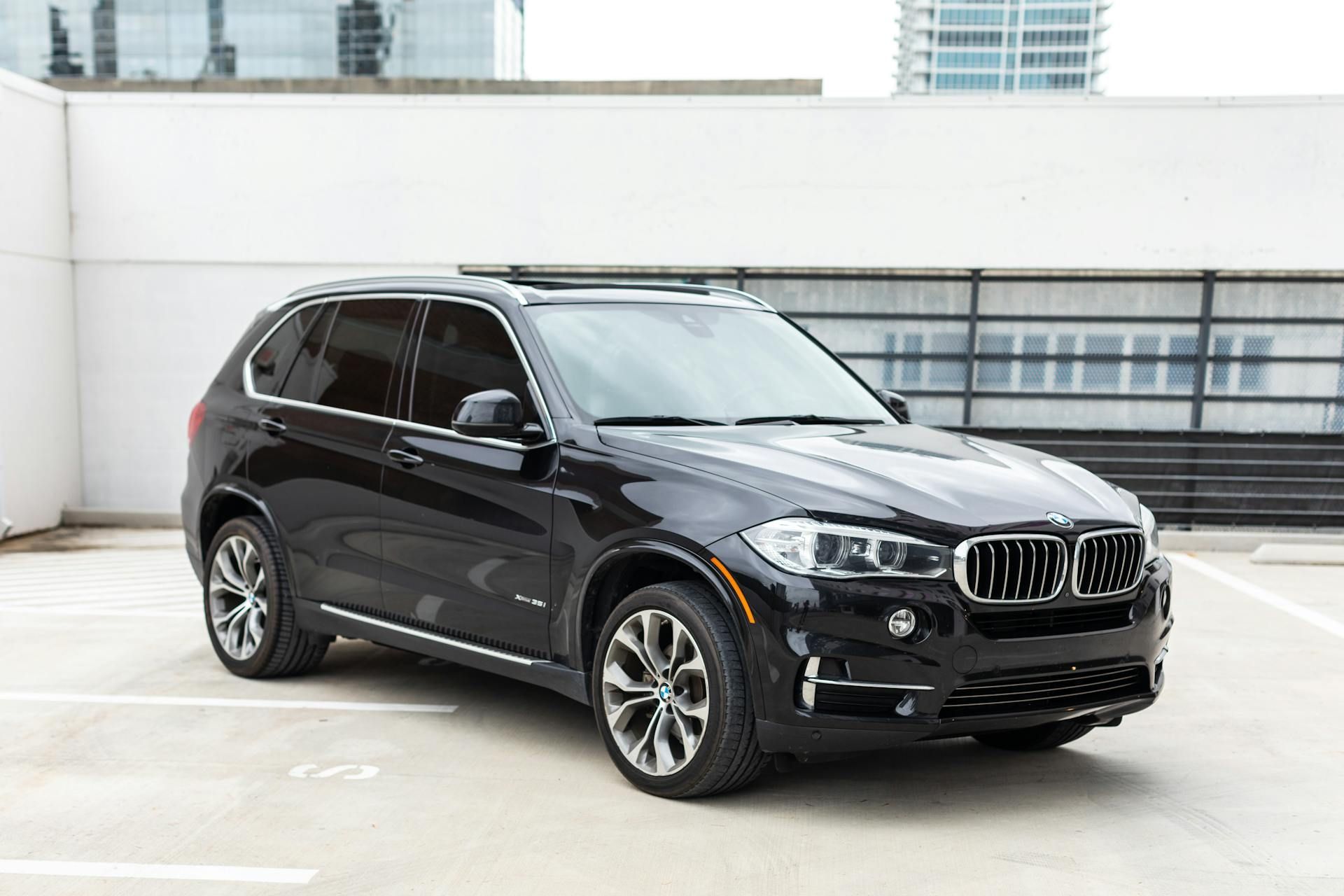
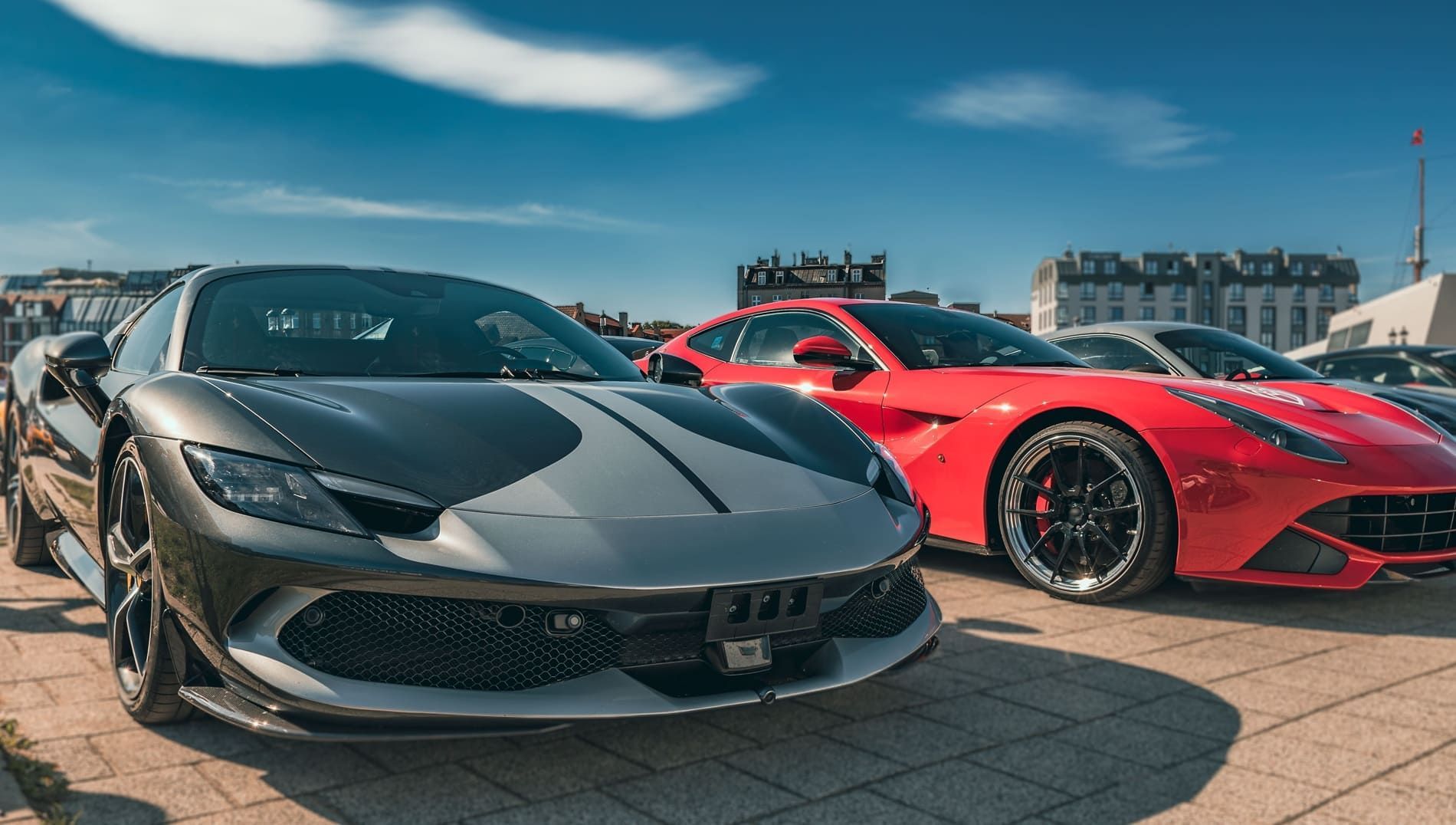
Florida is hard on paint, especially on brands with softer or higher gloss finishes like Mercedes-Benz, BMW, Porsche, Tesla, and Lexus. Our cars sit in bright sun for long hours, even when we are just parked at work or out to dinner. Then there is the constant salt in the air from the Gulf and the gritty sand that blows around or gets kicked up on the highway.
Common paint problems we see in our area include:
- Fading and clear coat damage from intense UV exposure
- Etching from lovebugs splattering on the front of the car
- Stains from bird droppings and tree sap that bake in the sun
- Rock chips and sand rash on hoods, bumpers, and side skirts
Basic waxing or dealership sealants help a little with shine, but they do not stand up very long to daily driving in our coastal climate. That is where advanced protection like paint protection film, also called PPF, and ceramic coating come in. Both protect your paint, but in different ways, so understanding PPF vs. ceramic coating is especially important when your car lives near the beach and spends a lot of time in the sun.
What Paint Protection Film Really Does for Your Car
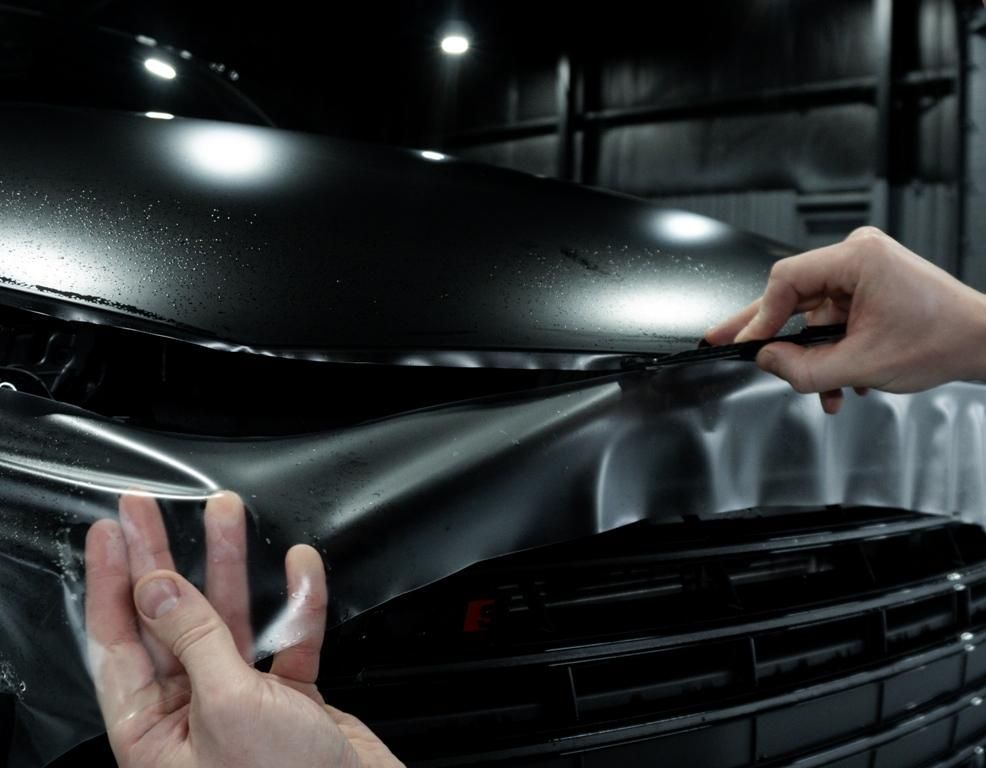
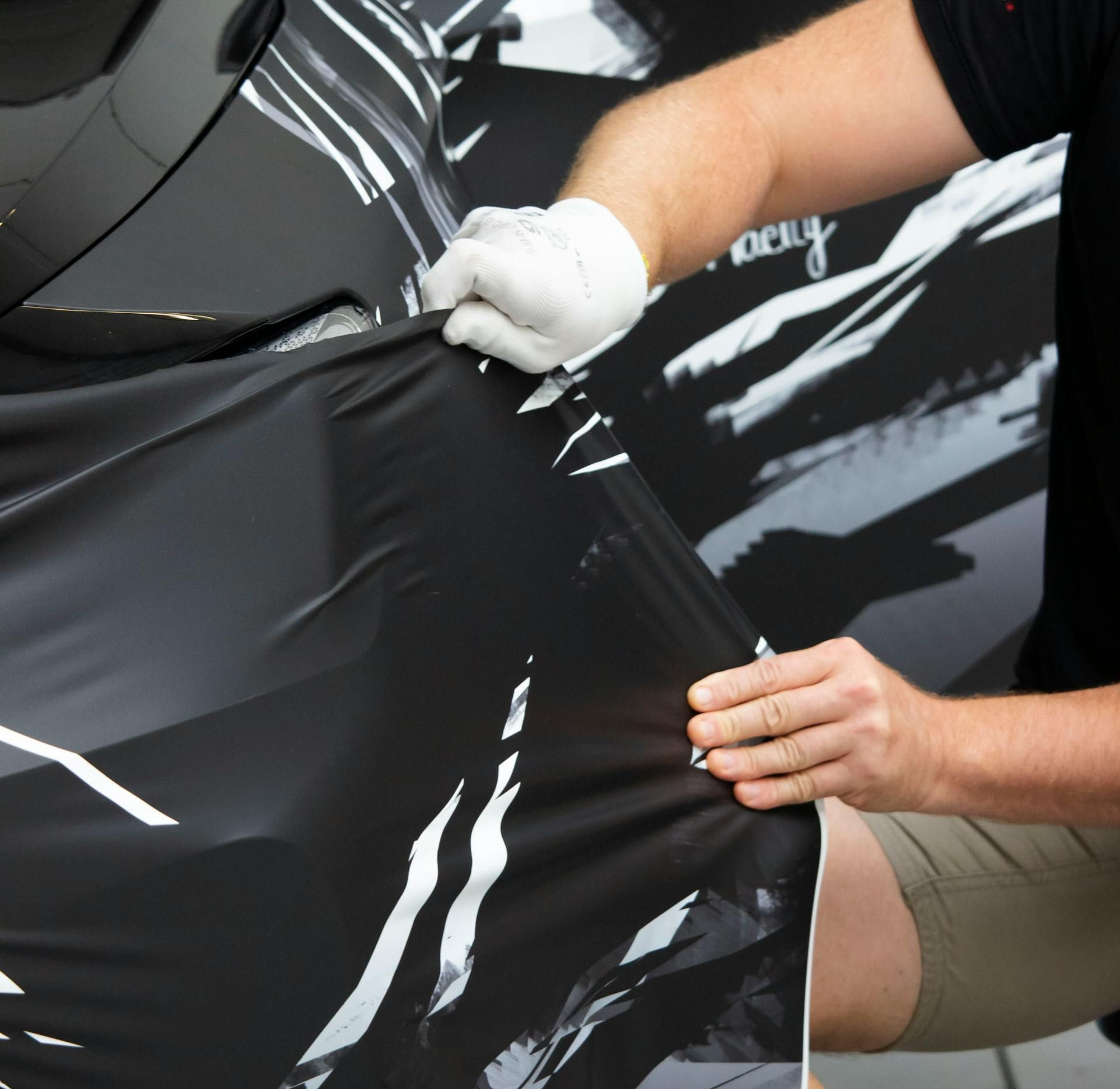
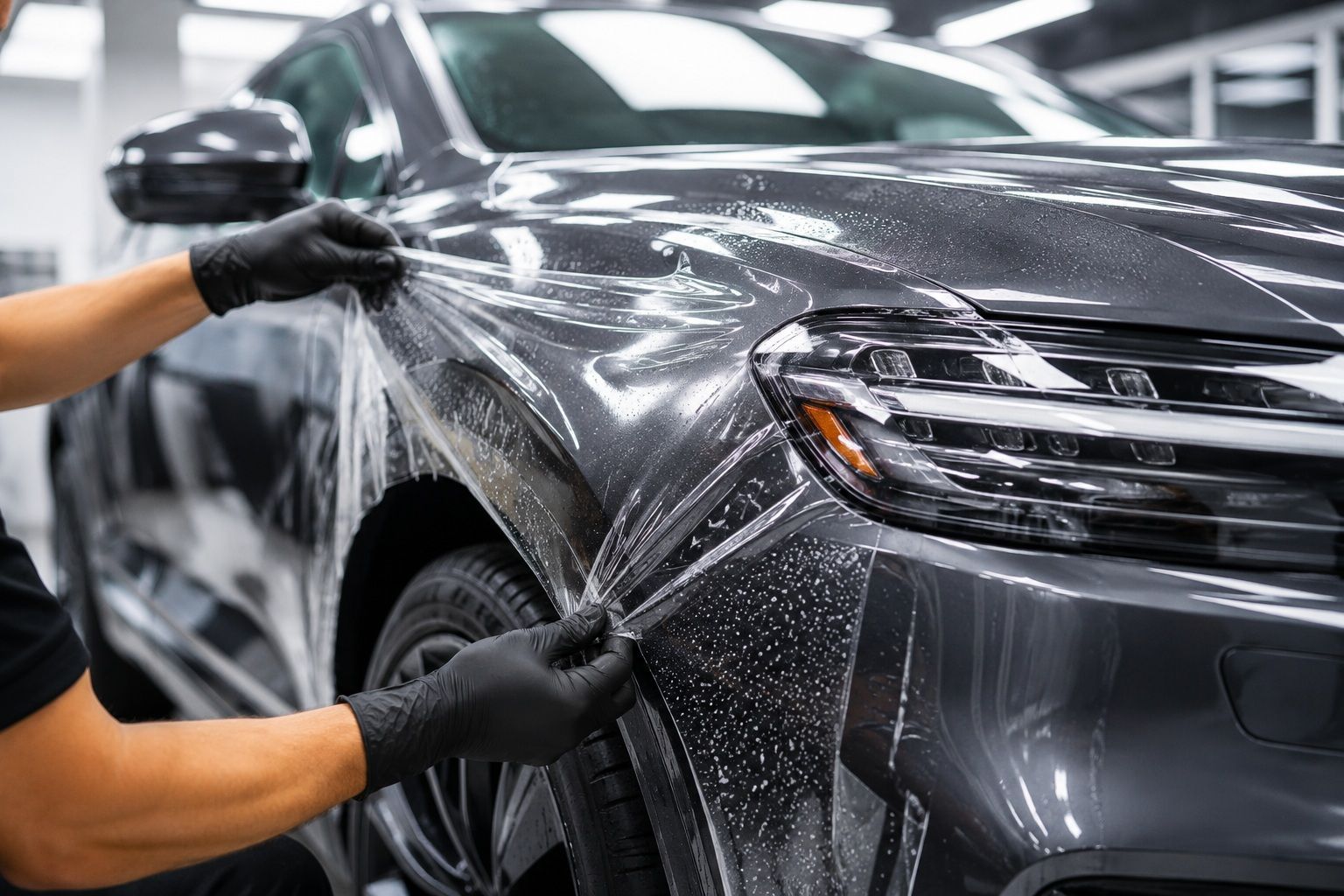
Paint protection film is a clear, flexible urethane layer that sits on top of your paint. It is designed to take the hit so your factory finish does not have to. When a small rock, bit of sand, or piece of road debris flies up at your car on I-275 or Gulf Boulevard, the film absorbs the impact.
Here is what quality PPF can do for Florida drivers:
- Help defend against rock chips and sand pitting on high-impact areas
- Resist stains and etching from bug splatter, bird droppings, and road grime
- Self-heal light swirls and fine scratches when warmed by the sun or warm water
- Add a physical barrier between your paint and the elements
With PPF, you can choose how much of the car you want covered. Common coverage choices are:
- Full front-end coverage, including bumper, hood, front fenders, and mirrors
- High-impact zones like rocker panels, rear wheel arches, and trunk ledges
- Full-body coverage for exotics, collector cars, or very-high-value daily drivers
For someone who drives a lot of highway miles, or likes to take day trips across the bridges, PPF is often the first line of defense. It focuses on impact and damage prevention, not just shine.
How Ceramic Coating Improves Shine and Cleaning
Ceramic coating works very differently. Instead of being a thick, impact-absorbing film, it is a liquid nano-ceramic product that is applied to your paint and allowed to cure. Once it bonds to the clear coat, it forms a harder, more slick layer on top.
A good ceramic coating can:
- Deepen gloss so your paint looks richer and more reflective
- Create a hydrophobic surface so water beads and sheets off more easily
- Help slow oxidation from long-term UV exposure
- Make it harder for dirt, pollen, and lovebugs to stick strongly to the surface
For busy owners, one of the biggest perks is easy washing. Road film, rain grime, and everyday dust rinse off faster, so you spend less time scrubbing the car every weekend. It can also help reduce the look of light water spots and some chemical stains, as long as they are cleaned quickly.
There are limits, though. Ceramic coating does not stop rock chips. It will not block deeper scratches from road debris or protect your paint from a direct impact the way PPF can. Think of it as a smart upgrade for gloss and maintenance, not a suit of armor.
PPF vs. Ceramic Coating for Florida Roads and Weather
When you compare PPF vs. ceramic coating in real life, it helps to think about specific Florida problems.
- Lovebug season: PPF holds up better against etching if bugs sit for a bit, while ceramic coating makes them easier to wash off quickly.
- Highway sand and construction debris: PPF is the clear winner, since it actually absorbs small impacts.
- Afternoon thunderstorms and road spray: Ceramic coating makes drying and cleanup faster, because water and grime do not cling as much.
- Coastal salt spray: Both help, but in different ways. PPF gives a physical barrier, and ceramic coating makes salt residue easier to rinse away.
In terms of long-term value, both can help a luxury car keep its paint looking newer, which is important in markets like Largo and the greater Tampa Bay area where buyers notice the condition of the finish.
General differences you should keep in mind:
- PPF focuses on impact, chips, scratches, and heavy contamination
- Ceramic coating focuses on gloss, slickness, and easy cleaning
- PPF usually covers fewer areas but offers stronger physical protection
- Ceramic coating covers more surface area but is not meant for rock chip defense
Many owners end up choosing based on how they drive. If you log a lot of miles on busy roads, PPF on the front makes a big difference. If you mainly want that deep, glossy look and easy wash days, ceramic coating might be your first pick.
Why Combining PPF and Ceramic Coating Makes Sense in Largo
For our local climate, a layered approach often gives the best mix of protection and appearance. You can use PPF on the areas that see the most abuse, then apply ceramic coating on top of the film and on the rest of the paint.
A common setup looks like this:
- PPF on the front bumper, hood, front fenders, and mirrors
- PPF on rocker panels and other high-impact spots
- Ceramic coating over the PPF and uncovered painted panels
- Ceramic coating on trim and painted door handles, where appropriate
This gives you impact resistance where you need it and easy cleaning across the whole vehicle. In spring, when lovebugs start to show up and weekend road trips pick up, the film helps prevent etching and pitting. Through the rest of the year, ceramic coating makes it quicker to rinse away pollen, rain residue, and light salt buildup from days spent near the water.
Professional installation matters for both products. Surface prep, film placement, clean edges, and proper curing are what separate a smooth, almost invisible protection job from one that stands out in a bad way. Using products designed to handle strong UV and heat is also key for Florida cars that live outside or in bright, open garages.
Schedule Your Custom Protection Plan Before Summer Hits
Spring is a smart time to think about protecting your luxury car before summer trips, longer days, and lovebug waves add more stress to your paint. An in-person look at your car, your driving habits, and your parking situation helps decide whether PPF, ceramic coating, or a mix of both is the right fit.
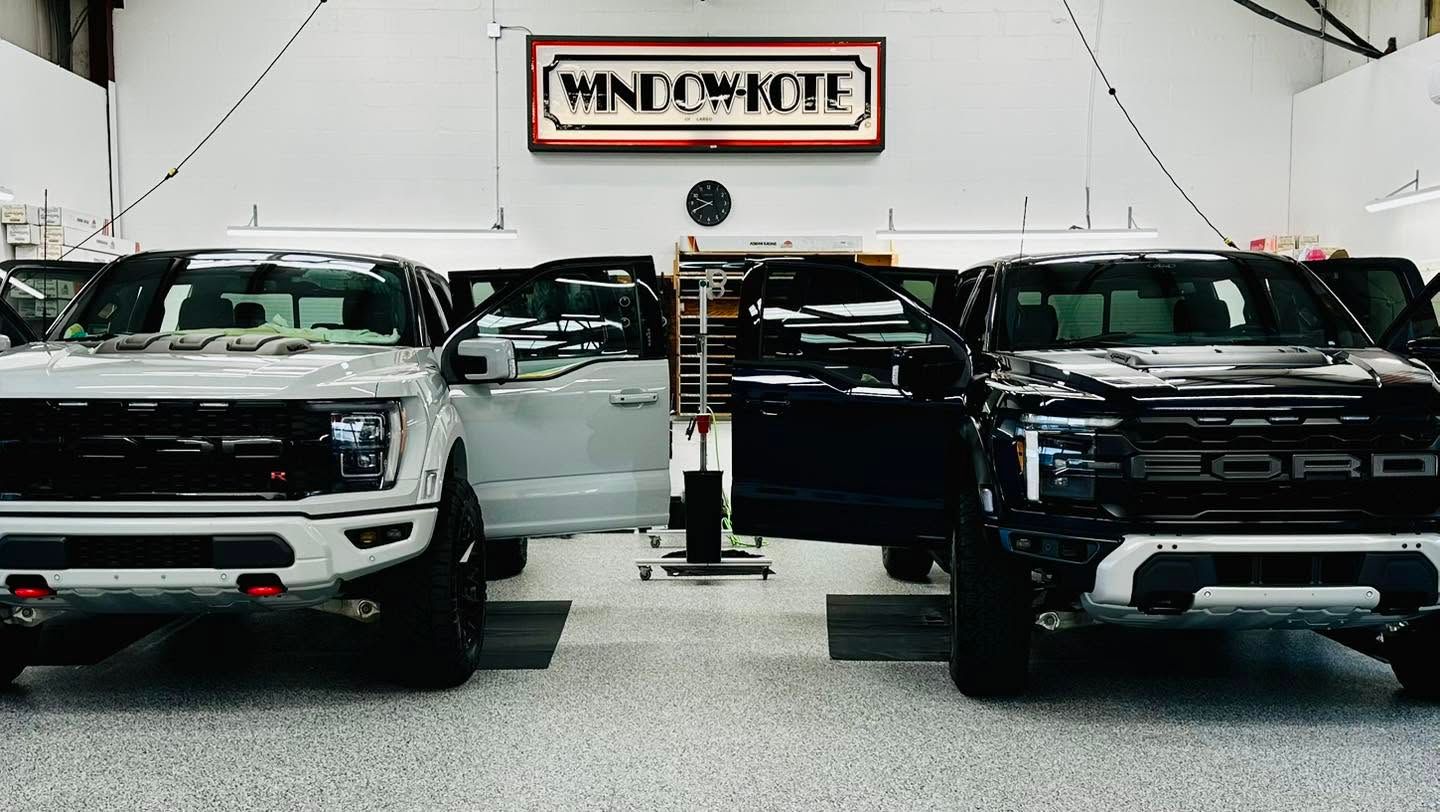
At Window Kote of Largo, we listen to how you use your car, walk you through film and coating options, and show you sample setups that match real Florida driving. That way you can choose a custom protection plan that keeps your luxury vehicle looking newer, longer, on the streets of Largo and across Pinellas County.
Protect Your Vehicle’s Finish With the Right Solution
If you are comparing
PPF vs. ceramic coating and still are not sure which is best for your vehicle, we can walk you through the options based on how and where you drive. At
Window Kote of Largo, we take the time to understand your priorities, from long-term paint protection to ease of maintenance. Reach out so we can recommend a tailored protection plan and provide a clear, upfront estimate. To schedule a consultation or ask questions about your specific vehicle,
contact us today.