
How to Choose Tint for EVs Without Signal Issues
Electric vehicles depend on wireless connectivity and sensor driven systems more than any other daily driver on the road. Your EV may use GPS for navigation and route planning, Bluetooth for hands free calls and audio, cellular connections for over the air updates, and multiple antennas for keyless entry, telematics, and app based remote functions. It is normal for EV owners in Largo, FL and nearby communities to worry that
window tint could reduce signal strength, disrupt pairing, or create frustrating dead spots. Those concerns often come from older metallic window tint films that could reflect or absorb radio frequency energy. The good news is that modern non metallic tint technology, especially advanced ceramic and nano ceramic films, is engineered to deliver excellent heat rejection and UV protection while maintaining signal clarity for modern vehicles. In this guide, you will learn how to
choose the best tint for EV without signal issues, what to avoid, and why professional installation matters.
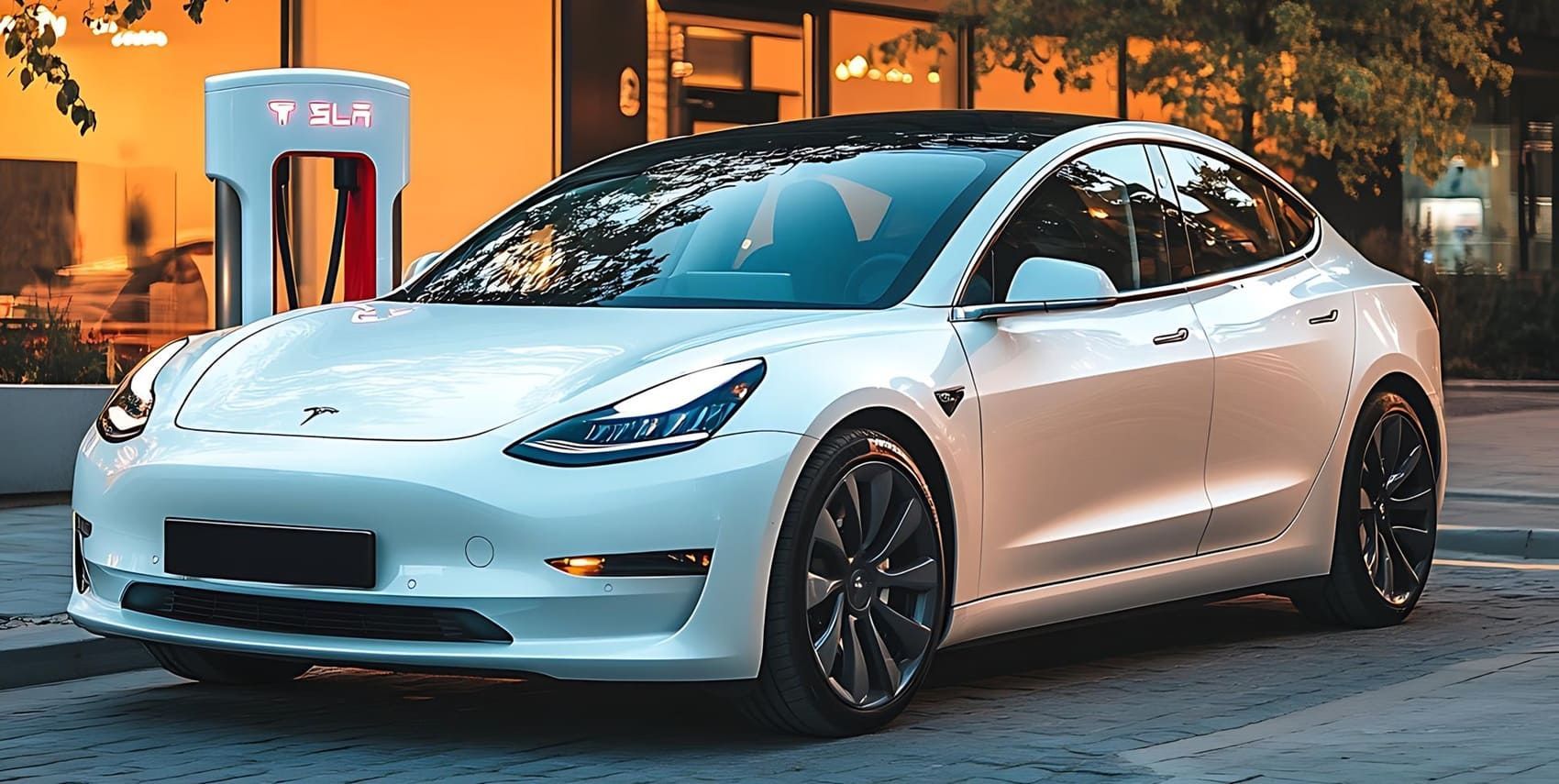
Table of Contents
- How EV connectivity and antennas work
- Why older metallic tint caused interference
- Dyed vs carbon vs metallic vs ceramic tint
- How ceramic and nano ceramic stay signal safe
- Windshield tint and camera or sensor considerations
- Florida heat benefits and EV efficiency gains
- Why professional installation protects performance and compliance
- FAQ for EV window tint in Largo, FL
1) How EV connectivity and antennas work
Before choosing tint, it helps to understand what your EV is actually trying to protect. Most modern electric vehicles have several separate wireless systems operating at different frequencies and using different antenna locations. When drivers search for window tint GPS interference EV or wonder why their Bluetooth feels weaker after an upgrade, it is usually because they are thinking of “signal” as one thing. In reality, your car is managing many signals at once.
Common EV connectivity systems:
- GPS : Receives satellite signals for navigation, route planning, and in some models battery aware trip predictions.
- Bluetooth : Short range connection for phone calls, audio, and sometimes key functions.
- Cellular and LTE or 5G : Powers over the air updates, remote app controls, streaming services, emergency services, and data features.
- Wi-Fi : Used for faster updates when parked at home and for certain in car services.
- NFC and proximity systems : Used in some EVs for phone key features and pairing.
- RF keyless entry : Key fobs and passive entry systems that communicate through low power radio signals.
Where antennas are located in many EVs: Antenna placement varies by make and model, but many EVs place antennas in areas like the rear glass, roof module (often a shark fin housing), A pillars, the dash area, or integrated into window glass. That is one reason EV owners sometimes ask if tint on the rear window or windshield will cause more problems than tint on the side windows.
In most cases, high quality non metallic films do not interfere with these systems. Signal issues are more likely when a film contains metal layers or when installation quality creates defects that impact defrost lines or embedded antenna areas. The safest approach is to choose a film type designed for modern electronics and to work with an experienced EV window tint Largo FL installer who can recommend an EV safe configuration.
2) Why older metallic window tint films caused signal interference
Metallic tint films were popular for years because they could reflect heat well. The tradeoff is that metal layers can also reflect or attenuate radio frequency signals. In simple terms, the film can behave like a partial shield. The effect depends on the type of metal, how thick the layer is, and which frequencies your vehicle relies on.
Why metallic films can be problematic:
- RF attenuation : Some signals lose strength as they pass through the metallic layer.
- Reflection and multipath : Signals can bounce and arrive out of phase, which can reduce reliability in certain environments.
- EV sensitivity : EVs tend to run more connected services more often, so small signal changes feel more noticeable.
Not every vehicle will show obvious symptoms, and not every metallic film creates severe problems. But if your goal is the best tint for EV without signal issues , metallic films are generally not the first choice. Modern ceramic tint for electric vehicles offers strong performance without those concerns.
3) Dyed vs carbon vs metallic vs ceramic tint technologies
Choosing tint for an EV is easier when you compare film families by what they are made of and how they manage heat. Below is a practical comparison designed for EV owners who want signal safe performance and strong Florida comfort.
Quick comparison by film type
- Dyed tint
- Signal compatibility : Excellent, typically non metallic.
- Heat rejection : Lower compared to advanced films.
- UV protection : Often good, but varies by product.
- Best for : Budget shading where maximum heat control is not the priority.
- Carbon tint
- Signal compatibility : Excellent, typically non metallic.
- Heat rejection : Better than dyed, often noticeable in sun intensive regions.
- UV protection : Strong in many premium carbon films.
- Best for : Good performance at a moderate price point.
- Metallic tint
- Signal compatibility : Variable, potential risk for GPS, Bluetooth, cellular, and keyless entry.
- Heat rejection : Often good because metal reflects energy.
- UV protection : Can be good, but the interference tradeoff matters for EVs.
- Best for : Situations where signal sensitivity is not a concern. Many EV owners avoid it.
- Ceramic and nano ceramic tint
- Signal compatibility : Excellent, engineered as non metallic.
- Heat rejection : High, including strong infrared control in premium lines.
- UV protection : High, helping protect occupants and interior materials.
- Best for : EV owners who want premium comfort and technology friendly performance.
If you are comparing options in Largo, FL, ask the shop which lines are specifically non metallic and designed to avoid signal interference. Many high performance choices fall into ceramic categories, including well known premium offerings such as LLumar FormulaOne window tint lines.
4) How ceramic and nano ceramic films maintain signal clarity
Ceramic tint is often recommended as the best tint for EV without signal issues because it avoids metallic layers that can interfere with radio frequency signals. Instead, ceramic and nano ceramic films use non conductive particles designed to manage heat, glare, and UV without acting like a signal barrier.
What “nano ceramic” usually means for EV owners: The film uses extremely fine ceramic particles, which can improve optical clarity and infrared rejection while keeping the film non metallic. When you want ceramic tint for electric vehicles, this is the category that is usually most aligned with signal safe performance and premium comfort.
Practical EV benefits of ceramic tint:
- Signal friendliness : Excellent compatibility for GPS, Bluetooth, cellular, Wi-Fi, and keyless entry systems in typical installs.
- High heat rejection : Helps reduce cabin temperature spikes after parking, which matters in Largo and Pinellas County sun.
- Reduced glare : Improves comfort on causeways, beach routes, and bright afternoon driving.
- UV protection : Helps protect skin and slows interior fading, including leather and synthetic materials common in EV cabins.
EV safe recommendation framework:
- If you are concerned about window tint GPS interference EV , prioritize a premium non metallic ceramic film.
- Ask for documented performance metrics such as UV rejection and infrared rejection, not just darkness.
- Choose a reputable installer familiar with EV glass shapes, large rear windows, and camera based systems.
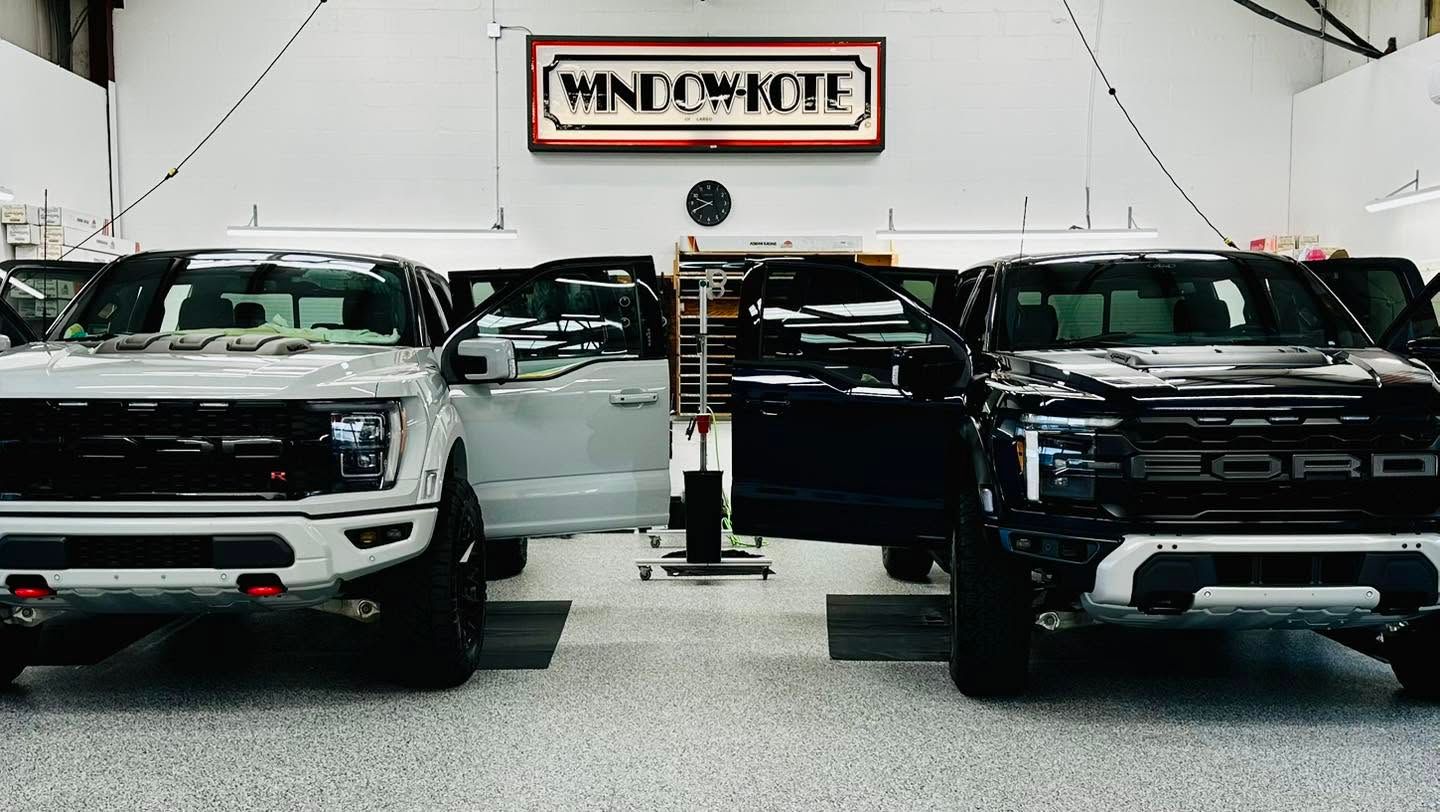
Window Kote of Largo installs LLumar FormulaOne Auto Window Tinting products engineered for high heat rejection, superior clarity, and full compatibility with modern electric vehicle systems. If you drive a
Tesla, Rivian, Lucid, Ford, or any other EV platform, selecting a proven ceramic solution helps protect tech performance while maximizing comfort.
5) Windshield tint considerations for EV cameras and sensors
Windshields are where EV owners often have the most questions. The windshield can be home to forward facing cameras, rain sensors, lane keeping systems, automatic high beams, and other driver assistance components. Even though many systems look through dedicated “sensor windows” near the mirror area, the overall windshield optical properties matter.
Key windshield points for EV owners:
- Use high clarity film : Look for premium ceramic films known for optical clarity.
- Respect camera and sensor zones : Professional installers know how to work around sensor housings and avoid contamination near sensitive areas.
- Heat management without darkness : In Florida, many drivers want maximum heat control with minimal visible light reduction. Certain ceramic films can reduce infrared heat strongly even at lighter shades.
Common EV question: “Will tint affect driver assistance cameras?” With a high quality, non metallic, high clarity film installed correctly, most EV owners do not experience issues. Problems are more likely from low quality film optics, installation defects, or using an inappropriate film type on sensitive glass areas.
Florida legal reminder:
Window tint laws vary by window and vehicle type, and rules for windshields can be especially specific. If you are considering windshield tinting in Largo, FL, confirm the legal limits and the correct installation placement with a local professional.
6) Florida climate benefits and EV efficiency gains
Largo, FL drivers know that heat is not just a comfort issue. Cabin heat can influence how hard your climate control system works, and that can affect energy use. While results vary by model and driving patterns, reducing heat load can support more consistent comfort and may help your EV maintain efficiency during hot months.
Why high performance ceramic tint helps in Florida:
- Lower cabin heat soak : The interior heats up more slowly when parked in the sun.
- Less aggressive AC demand : You may feel comfortable sooner after starting your drive, reducing the need for maximum cooling.
- Interior protection : UV protection helps reduce fading and material wear.
- Glare control : Helpful for coastal glare, summer storms, and bright midday driving.
EV owner tip: If you want the best tint for EV without signal issues and strong heat control, ask about infrared rejection performance in addition to visible light reduction. A lighter ceramic film can sometimes outperform a darker basic film in heat control, while maintaining excellent visibility and a refined appearance.
For EV owners looking for EV window tint Largo FL services, Window Kote of Largo focuses on premium, technology compatible solutions such as LLumar FormulaOne window tint designed to deliver heat rejection and clarity that fits Florida driving.
7) Why professional installation ensures compatibility and compliance
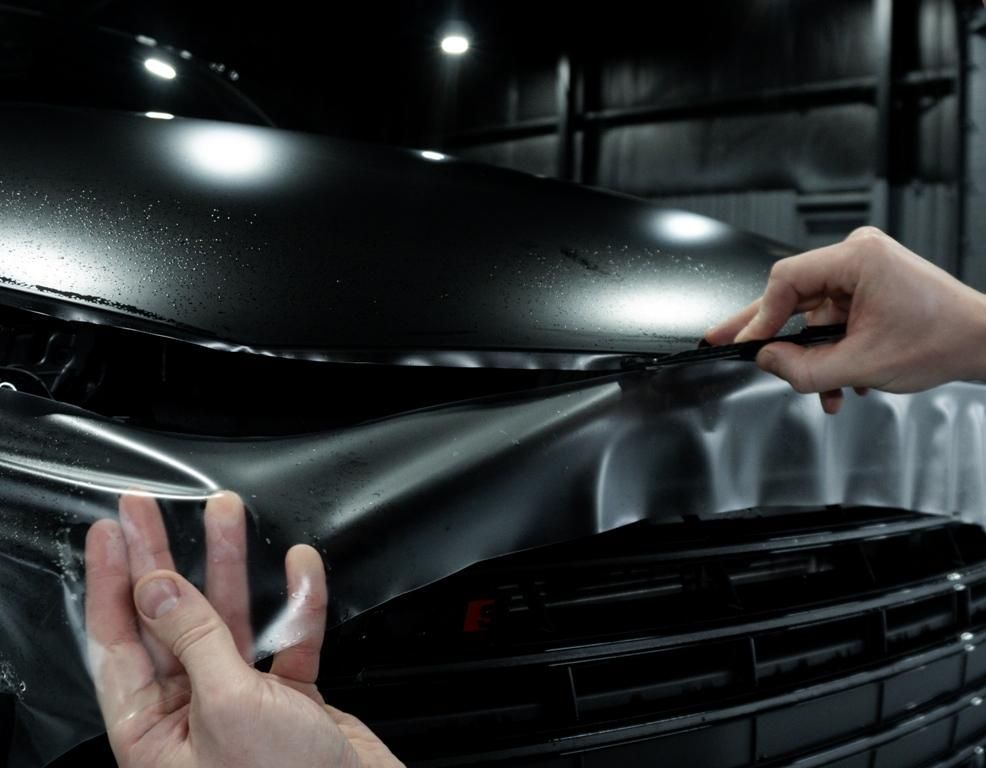
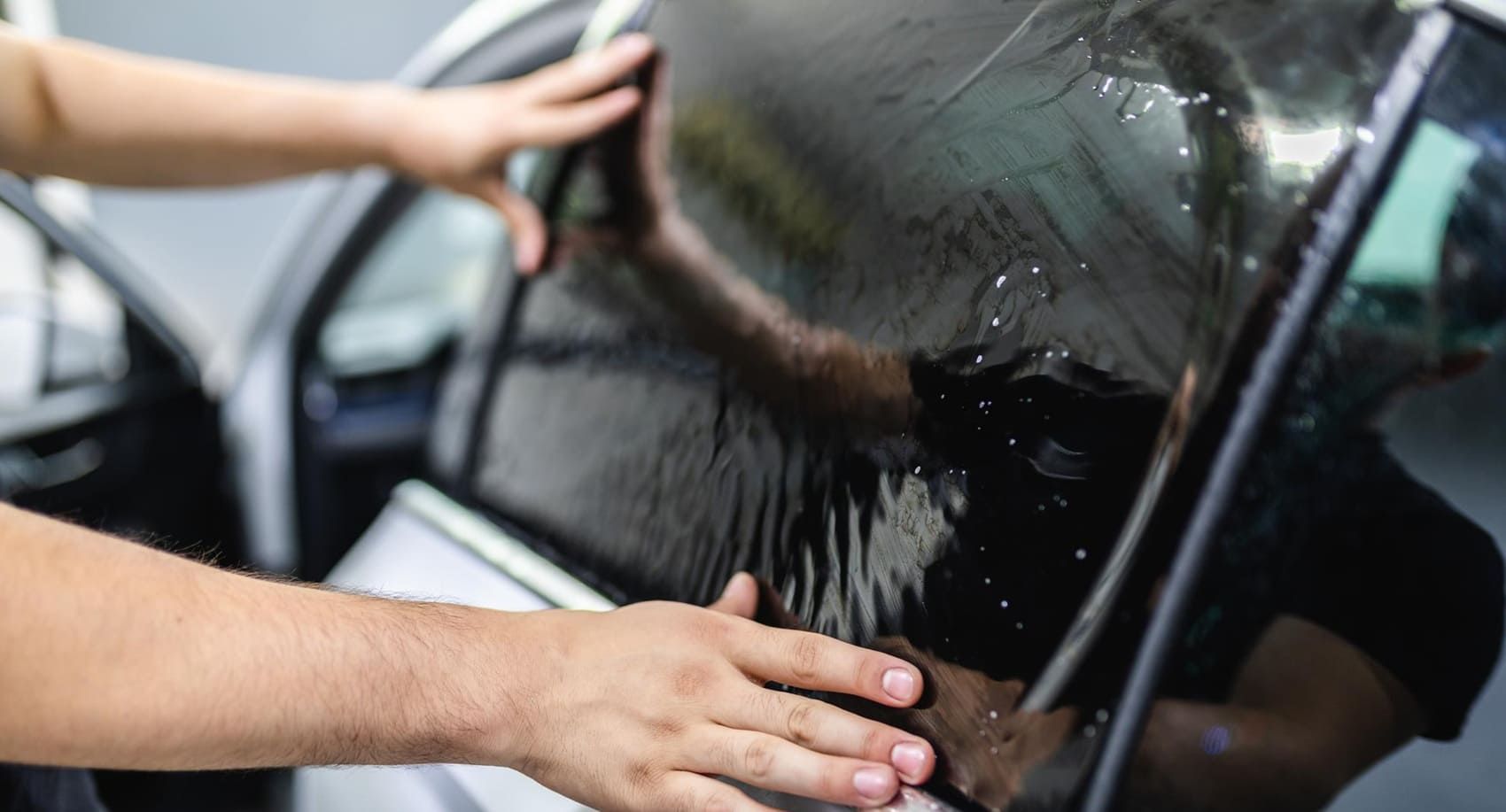
Even the best film can underperform if installation is rushed. EVs present specific challenges such as large glass panels, unique rear window shapes, embedded antennas, and advanced driver assistance camera systems. Professional installation helps ensure the film is applied cleanly, safely, and in a way that supports both performance and compliance.
What professional installation protects:
- Optical quality : Reduced haze and distortion, which matters for EV camera based safety features.
- Defroster and embedded components : Proper handling around rear defroster lines and any embedded antenna areas.
- Edge finishing and adhesion : Better long term durability and reduced risk of peeling or bubbling.
- Legal compliance : Guidance on tint shade selection for Florida limits and documentation needs.
Brand specific consideration: Tesla owners in particular often ask about connectivity and sensors. A reputable installer can recommend a ceramic tint for electric vehicles that is non metallic, high clarity, and compatible with Tesla connectivity systems, keyless entry, and driver assistance cameras.
Window Kote of Largo is a local resource for EV owners seeking premium window film options. If you are searching for the best tint for EV without signal issues and want a professional installation tailored to Florida driving, ask about LLumar FormulaOne Auto Window Tinting options and shade recommendations.
FAQ: EV window tint in Largo, FL
Does ceramic tint block GPS, Bluetooth, or cellular signals?
High quality ceramic and nano ceramic films are non metallic and are designed to maintain signal clarity for GPS, Bluetooth, and cellular systems in typical installations.
Can window tint interfere with Tesla connectivity systems?
Tesla systems generally work well with non metallic ceramic tint. Avoid metallic films if you want to minimize risk of signal issues.
Will tint affect keyless entry or phone key performance?
Non metallic films are typically compatible. If you experience issues, a shop can help evaluate antenna locations and film type choices.
Can tint affect over the air updates?
Over the air updates rely on cellular and sometimes Wi-Fi connections. Choosing non metallic ceramic film helps avoid the interference risk associated with metallic films.
Can windshield tint impact driver assistance cameras?
High clarity ceramic films installed correctly are typically compatible. Installation quality and film optical clarity matter most around camera and sensor areas.
What are the legal tint limits in Florida?
Florida tint laws specify limits by window and vehicle type. A local installer can confirm the legal VLT levels for your EV and your goals.
Is darker tint always cooler?
Not always. Premium ceramic films can reject infrared heat strongly even in lighter shades, which can be ideal for visibility and EV safety systems.
What is the best tint for EV without signal issues?
In most cases, a premium non metallic ceramic or nano ceramic film is the top choice for EV owners concerned about window tint GPS interference EV and connectivity reliability.
Should I tint the roof glass on my EV?
Many EVs have large roof glass that contributes to heat. A professional can recommend an EV safe film and the right coverage approach for your model.
What warranty should I look for in EV window tint?
Look for a product backed by a reputable manufacturer and installed by a professional shop. Ask what is covered for bubbling, peeling, and discoloration, and keep your documentation.
Conclusion: EV tint comfort without signal compromises
EV owners in
Largo, FL do not have to choose between a cooler cabin and reliable connectivity. The key is understanding why older
metallic films could cause interference, then selecting a modern non metallic solution designed for today’s connected vehicles. For most drivers, premium ceramic tint for electric vehicles offers the best balance of signal safety, heat rejection, UV protection, and clear visibility. Windshield tint decisions should be made carefully with attention to optical clarity, camera zones, and Florida legal limits, and professional installation helps ensure long term performance.
If you are looking for EV window tint
Largo FL service and want the confidence of technology compatible protection,
contact Window Kote of Largo . Ask about LLumar FormulaOne window tint options engineered for high heat rejection, superior clarity, and full compatibility with modern EV systems. Reach out today to get a
free estimate for EV optimized window tint solutions.