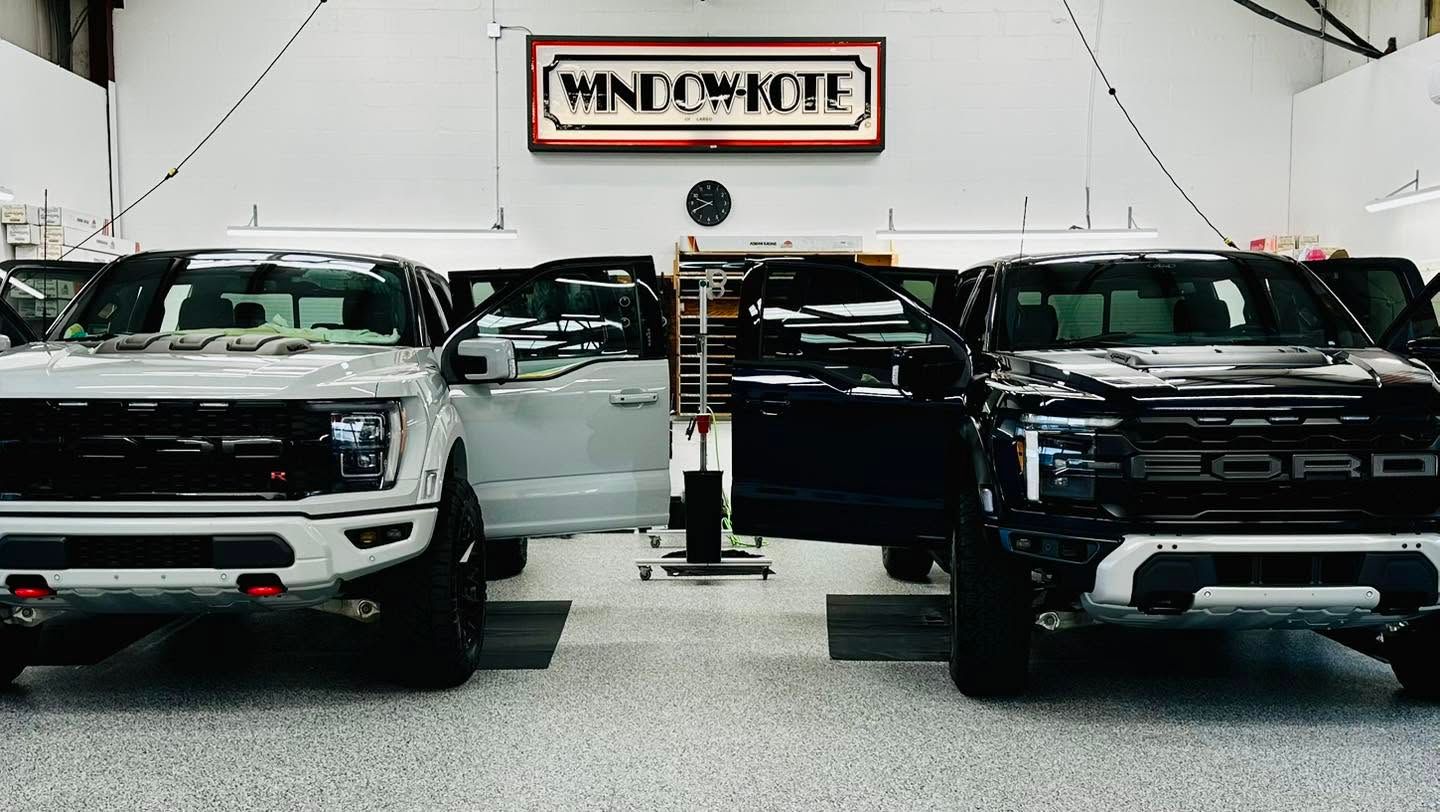


Where PPF Fails First in Florida (Edges, Seams, Sensors) and How to Prevent It
Florida Heat Is Not Your PPF’s Only Enemy
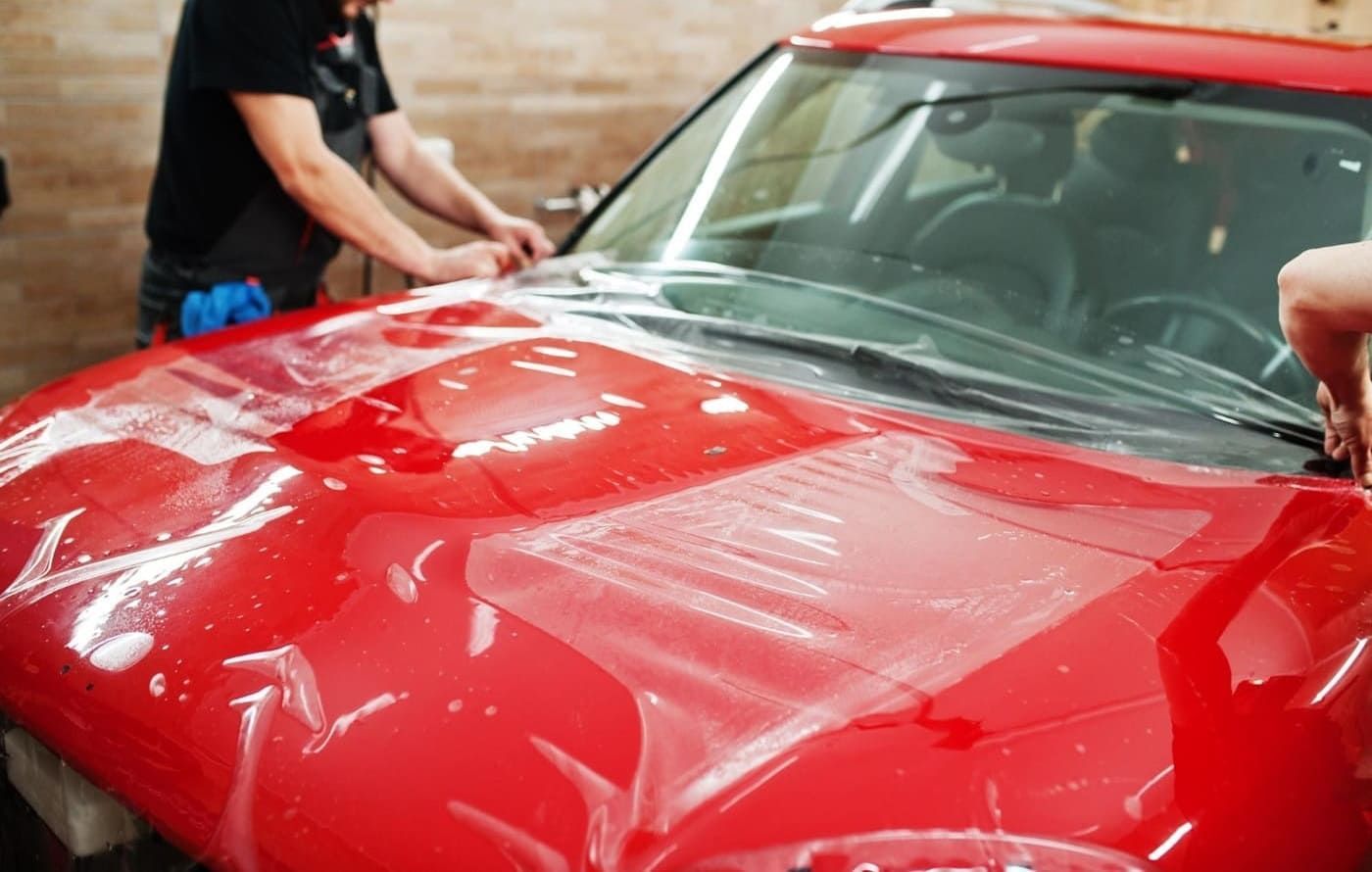
Paint protection film, or PPF, is one of the best ways to help keep your paint looking fresh in Florida. It is a clear, durable film that sits on top of your paint and helps take the hit from road rash, bug splatter, and sun. Many car owners around Largo choose it because they want their ride to still look sharp after years of beach runs and highway miles.
Most people only think about rock chips on the front bumper or fading on the hood. But the first places PPF starts to fail are usually much smaller and easier to miss. We see it all the time: tiny edges, seams, and cutouts that start lifting or turning dirty long before the big flat areas show any problem.
In this article, we are going to walk through those hidden weak spots, explain why Florida’s heat and humidity are so tough on them, and share how good installation and care can help prevent trouble. If you are thinking about paint protection film in Largo, FL, or you already have it, these are the areas you want to keep an eye on.
Edge Lift Along Doors and Hoods
The most common early failure starts at the edges. These are the lines along your hood, doors, fenders, and trunk. At first, they look perfect. Then one day you notice a gray line, a rough corner, or a little flap starting to curl.
Those edges take a beating, especially here:
- High-speed airflow along the hood and fenders
- Hand washing with rough mitts or old towels
- Automatic car washes that slap brushes across panel gaps
- Summer thunderstorms that throw sand and road grime right at those lines
Florida sun heats the panel and the film, then humid air and road spray cool them off. That constant cycle can soften weaker adhesive, which lets dirt and moisture creep in. When that happens, edges can start to:
- Look dirty or cloudy along the line
- Lift slightly so they catch towels or wash mitts
- Discolor faster than the rest of the film
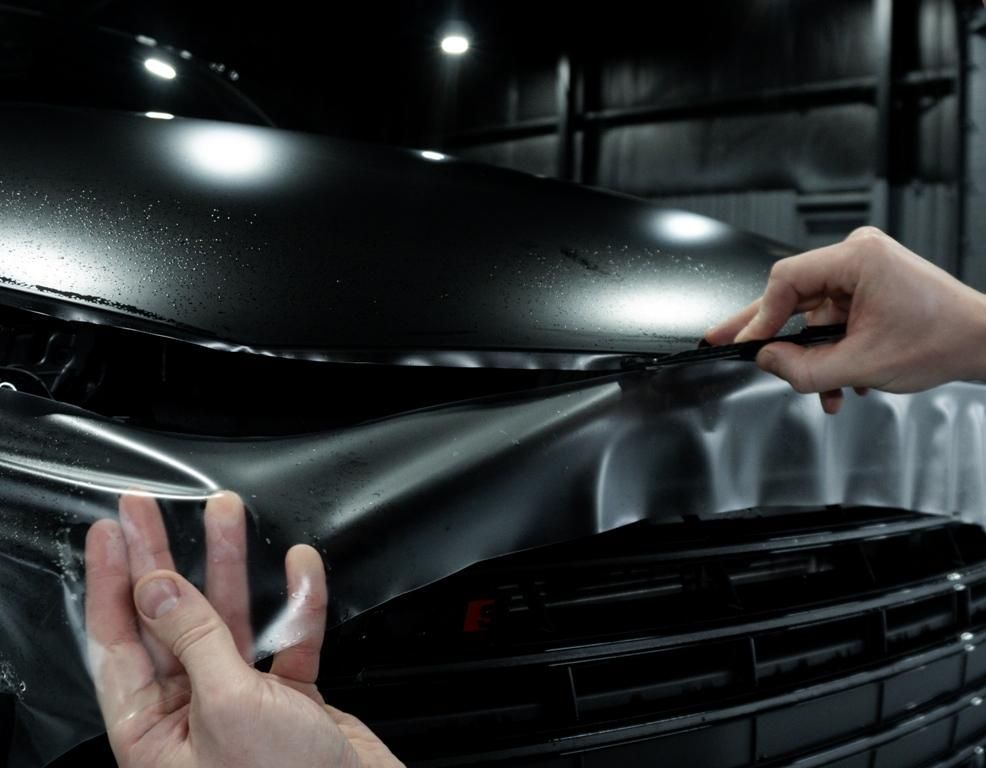
To help prevent this, a careful installer will:
- Use premium, fresh film that bonds cleanly
- Wrap or tuck edges around the panel whenever the body design allows
- Use precise plotter-cut patterns instead of rough hand cuts right on the paint
- Teach gentle wash methods, like soft microfiber towels and no scrubbing straight into edges
Good edge work is not something you see right away, but in our climate it makes a big difference a few months down the road.
Seams, Overlaps, and Logo Cutouts
PPF does not always cover a panel in one single piece. Some bumpers and rocker panels need multiple pieces that meet in the middle. That creates seams or overlaps that can look fine at first but slowly turn into dirt lines.
Those seams are magnets for:
- Wax and polish residue
- Dirt that splashes up from summer rain
- Salt air and moisture near the coast
Over time, build-up along a seam can push on the film edge and start peeling. It can also create a visible line that stands out on darker paint.
Then you have the tricky spots, like:
- Badge and emblem areas
- Washer nozzles on the hood
- Tow hook covers in the bumper
- Parking sensor cutouts
These areas need tight cuts and the right amount of stretch. If the film is pulled too tight, it wants to snap back and lift. If there are no proper relief cuts in tight corners, tiny tips will pop up first, then turn dark from trapped grime.
Prevention in these zones is all about planning and experience:
- Use larger pattern kits when possible to reduce seams
- Place seams in low-stress, low-visibility spots, not right in your eye line
- Align film carefully around emblems instead of crowding tight corners
- Cut clean openings around sensors and washers, with smooth edges and controlled tension
An installer who works every day in Florida’s climate learns quickly where these areas start to fail and how to avoid shortcuts that cause trouble later.
Radar Sensors, Cameras, and ADAS Hardware
Modern cars are packed with tech that sits right where we want to install PPF. Parking sensors, lane-keep cameras, adaptive cruise radar, and 360-degree cameras often live behind painted bumpers, grilles, or trim.
If film is installed the wrong way in front of these systems, you can run into:
- Warning lights or error messages that come and go
- Sensors that work fine when dry but act up in heavy rain
- Cameras with a hazy or distorted image
Problems can come from film that is too thick for that spot, or film that is not well suited to sit over a sensor area. Bubbles, trapped moisture, or distortion in the film can confuse the system or cut down its ability to see clearly.
To help reduce the chance of issues, a good installer will:
- Choose films that are known to work well in front of sensors and cameras
- Respect any OEM “no-cover” zones that should be left bare
- Take extra care to remove bubbles and streaks in front of hardware
- Keep Florida’s heavy rain in mind, since water on top of a bad install can make sensor problems even worse
This is one place where guessing is not a good plan. The right shop will know when to cover, when to trim around, and how to keep your safety features working as they should.
High-Touch Hot Spots: Door Cups, Trunk Ledges, and Handles
Some of the smallest PPF pieces work the hardest. Door cups, trunk ledges, hatch openings, and door sills deal with constant hands, bags, and grit. They are also easy to forget about until the film there is scratched up or lifting at a corner.
Think about what hits those spots in our area:
- Fingernails and rings when you grab the handle
- Sandy beach debris when you toss gear in the back
- Sunscreen residue from hands on hot days
- Grocery bags, strollers, and luggage dragging over the bumper edge
These areas also heat up fast in parking lots and then cool off again when the sun drops or a storm rolls in. That constant change can stress tiny pieces of film. When they are not cut and placed just right, corners start to lift and edges turn gray from dirt.
A smart protection plan will often add:
- Targeted “wear zone” PPF, like door cups, door edges, and trunk ledges
- Templates that fully cover the curve of the cup instead of leaving exposed rings around the edge
- Simple cleaning habits after beach or boat days, using gentle wash products and soft towels
- An optional ceramic coating on top of PPF to help release bugs, sunscreen, and road film
When these hot spots are protected well, your car not only looks cleaner, it also feels nicer to use every day.
Keep Your PPF Strong with Local Expert Care
PPF almost never fails at random in the middle of a flat panel. Trouble usually starts at the small places: edges along doors and hoods, seams and overlaps, tight cutouts around badges and sensors, and high-touch areas like handles and trunk edges. Add Florida sun, salt air, humidity, and heavy rain, and any weak spot shows up even faster.
Working with a skilled installer for paint protection film in Largo, FL can make a big difference in how long your film stays clear and secure. At Window Kote of Largo, we focus on clean patterns, smart seam placement, film choices that work well in our Gulf Coast conditions, and simple care tips that fit real life. A quick inspection or checkup before those big summer road trips can catch small flaws early, so your PPF keeps doing its job instead of turning into a source of stress.
Protect Your Vehicle’s Finish With Trusted Local Experts
If you are ready to shield your paint from chips, scratches, and road debris, our team at Window Kote of Largo is here to help. Learn how our
paint protection film in Largo, FL can keep your vehicle looking newer for longer. We will walk you through your options, explain the process, and recommend the coverage that fits your needs and budget. Have questions or want to
schedule an appointment? Just
contact us and we will follow up promptly.